
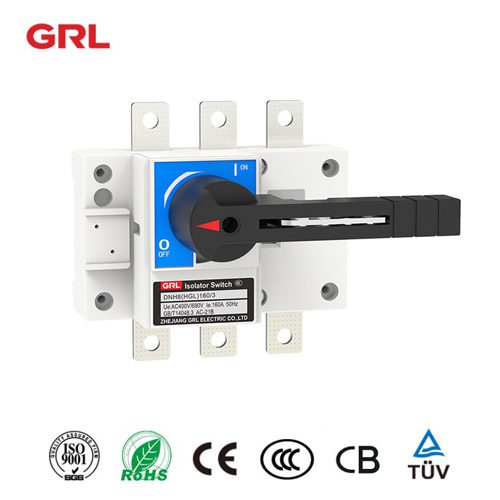
# Transfer Load Disconnector: Ensuring Safe Power Transfers
## What is a Transfer Load Disconnector?
A transfer load disconnector is an essential electrical device designed to safely transfer electrical loads between power sources. These devices play a critical role in maintaining power continuity while ensuring operator safety during switching operations.
## Key Features of Transfer Load Disconnectors
Modern transfer load disconnectors offer several important features:
– Manual or motorized operation options
– Visible break contacts for enhanced safety
– Interlocking mechanisms to prevent improper operation
– Multiple pole configurations (3-pole, 4-pole)
– Various current ratings to match application requirements
## Applications in Power Systems
Transfer load disconnectors find use in numerous applications:
– Backup power systems (generator transfers)
– UPS system bypass configurations
Keyword: transfer load disconnector
– Maintenance switching operations
– Load transfer between parallel sources
– Critical infrastructure power systems
## Safety Considerations
When working with transfer load disconnectors, always consider:
– Proper load ratings and voltage compatibility
– Clear labeling of all switching positions
– Regular maintenance and inspection schedules
– Compliance with local electrical codes and standards
– Proper training for all operating personnel
## Maintenance Best Practices
To ensure reliable operation:
– Perform regular visual inspections
– Check for proper mechanical operation
– Verify contact condition and resistance
– Test interlock functionality
– Keep operating mechanisms clean and lubricated
Transfer load disconnectors provide a safe and reliable method for managing power source transfers in critical electrical systems. By understanding their operation and maintaining them properly, facilities can ensure continuous power availability while protecting both equipment and personnel.