
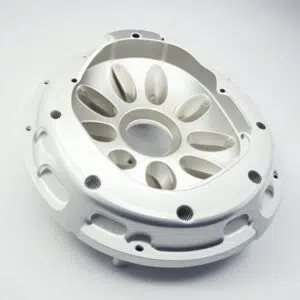
# Precision CNC Machined Components for Industrial Applications
## The Importance of CNC Machining in Modern Industry
CNC machining has revolutionized the manufacturing sector by providing unparalleled precision and repeatability in producing complex parts. Industries ranging from aerospace to medical devices rely on CNC machined components for their critical applications. The ability to create parts with tight tolerances and excellent surface finishes makes CNC machining an indispensable technology in today’s industrial landscape.
## Understanding CNC Machined Parts
CNC (Computer Numerical Control) machined parts are components manufactured using automated machine tools controlled by pre-programmed computer software. These parts can be made from various materials including:
– Metals (aluminum, steel, titanium, brass)
– Plastics (ABS, nylon, polycarbonate)
– Composites
– Exotic alloys
The process involves subtractive manufacturing where material is removed from a workpiece to create the desired shape and dimensions.
## Key Advantages of CNC Machined Components
### 1. Exceptional Precision and Accuracy
CNC machines can achieve tolerances as tight as ±0.0002 inches (±0.00508 mm), making them ideal for applications where precision is paramount. This level of accuracy ensures proper fit and function in complex assemblies.
### 2. High Repeatability
Once a CNC program is perfected, it can produce identical parts repeatedly without variation. This consistency is crucial for mass production and quality control in industrial settings.
### 3. Complex Geometries Made Simple
CNC machining can create intricate shapes and features that would be difficult or impossible to achieve with conventional machining methods. This includes:
– Undercuts
– Deep cavities
– Complex contours
– Precise threading
### 4. Material Versatility
Keyword: CNC machining parts
From soft plastics to hardened steels, CNC machines can work with an extensive range of materials, allowing manufacturers to select the optimal material for each application.
## Industrial Applications of CNC Machined Parts
### Aerospace Industry
The aerospace sector demands components that meet strict safety and performance standards. CNC machining produces:
– Engine components
– Landing gear parts
– Structural elements
– Avionics housings
### Medical Device Manufacturing
Precision is critical in medical applications where CNC machining creates:
– Surgical instruments
– Implants
– Diagnostic equipment components
– Prosthetic devices
### Automotive Sector
CNC machined parts are essential in both production vehicles and high-performance racing applications:
– Engine blocks and cylinder heads
– Transmission components
– Suspension parts
– Custom performance upgrades
### Electronics Industry
The electronics field benefits from CNC machining for:
– Heat sinks
– Enclosures and housings
– Connectors
– Precision mounting hardware
## Choosing the Right CNC Machining Partner
When selecting a supplier for CNC machined components, consider these factors:
– Experience with your specific industry requirements
– Quality control processes and certifications
– Material expertise
– Production capacity and lead times
– Value-added services (finishing, assembly, etc.)
A reliable CNC machining partner should offer comprehensive services from design assistance to final inspection, ensuring you receive components that meet your exact specifications.
## The Future of CNC Machining
As technology advances, CNC machining continues to evolve with:
– Improved automation and robotics integration
– Advanced cutting tools and techniques
– Enhanced software capabilities
– Sustainable manufacturing practices
These developments promise even greater precision, efficiency, and cost-effectiveness in producing CNC machined components for industrial applications.
For manufacturers seeking high-quality, precision-engineered parts, CNC machining remains the gold standard for producing reliable components that meet the demanding requirements of modern industry.