
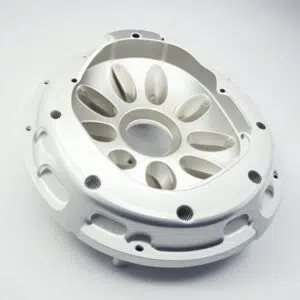
# Precision CNC Machined Components for Industrial Applications
## The Importance of CNC Machining in Modern Manufacturing
Computer Numerical Control (CNC) machining has revolutionized the manufacturing industry by providing unparalleled precision and repeatability in part production. CNC machined components have become essential across various industrial sectors, from aerospace to medical devices, due to their ability to meet tight tolerances and complex design requirements.
## Key Advantages of CNC Machined Parts
### 1. Exceptional Precision and Accuracy
CNC machining offers micron-level accuracy, ensuring that each component meets exact specifications. This precision is critical for applications where even minor deviations can lead to system failures or performance issues.
### 2. Material Versatility
CNC machines can work with a wide range of materials, including:
– Metals (aluminum, steel, titanium, brass)
– Plastics (ABS, PEEK, nylon)
– Composites
– Specialty alloys
### 3. Complex Geometries Made Simple
Modern CNC technology enables the production of intricate shapes and features that would be impossible or cost-prohibitive with conventional machining methods.
## Common Applications of CNC Machined Components
### Aerospace Industry
CNC parts are vital for aircraft and spacecraft, where lightweight yet strong components are required. Typical applications include:
– Engine components
– Landing gear parts
– Structural elements
– Avionics housings
### Automotive Sector
The automotive industry relies heavily on CNC machining for:
– Engine blocks and cylinder heads
– Transmission components
– Suspension parts
– Custom aftermarket upgrades
Keyword: CNC machining parts
### Medical Device Manufacturing
Precision is paramount in medical applications, making CNC machining ideal for:
– Surgical instruments
– Implants
– Diagnostic equipment components
– Prosthetics
## Choosing the Right CNC Machining Partner
When selecting a supplier for CNC machined components, consider these factors:
1. **Experience and Expertise**: Look for a manufacturer with proven capabilities in your specific industry
2. **Quality Certifications**: Ensure they meet relevant standards (ISO, AS9100, etc.)
3. **Equipment Capabilities**: Verify they have the right machines for your project requirements
4. **Material Sourcing**: Check if they can provide certified materials when needed
5. **Secondary Services**: Consider if they offer additional services like finishing, assembly, or testing
## The Future of CNC Machined Components
As technology advances, CNC machining continues to evolve with:
– Improved multi-axis capabilities
– Integration with additive manufacturing
– Enhanced automation and robotics
– Smarter software for design and simulation
These developments promise even greater precision, efficiency, and cost-effectiveness in producing high-quality machined components for industrial applications.