
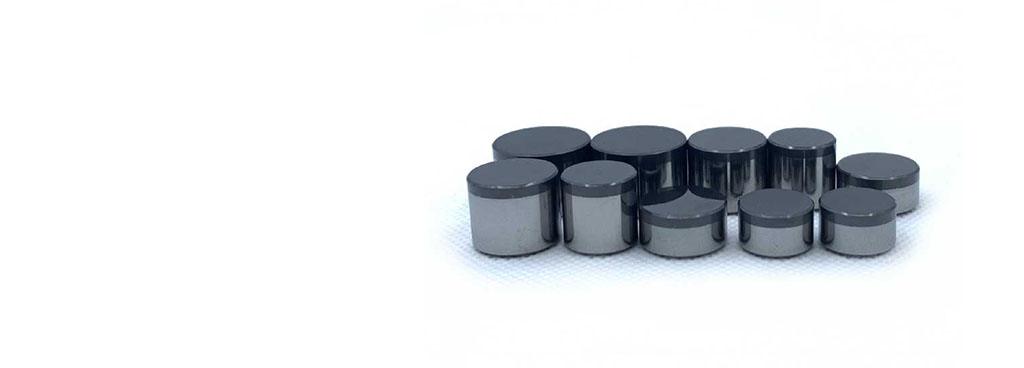
# PDC Cutter Performance Analysis in Hard Rock Drilling
## Introduction
Polycrystalline Diamond Compact (PDC) cutters have revolutionized the drilling industry with their exceptional durability and cutting efficiency. In hard rock drilling applications, the performance of PDC cutters becomes particularly crucial as operators seek to maximize rate of penetration (ROP) while minimizing cutter wear and damage.
## Key Factors Affecting PDC Cutter Performance
Several critical factors influence how PDC cutters perform in hard rock formations:
### 1. Cutter Geometry
The shape and design of PDC cutters significantly impact their performance:
– Chamfer size and angle
– Cutter diameter
– Backrake angle
– Side rake angle
### 2. Diamond Layer Quality
The polycrystalline diamond layer’s characteristics determine cutter durability:
– Grain size distribution
– Diamond concentration
– Bonding strength with carbide substrate
### 3. Thermal Stability
Hard rock drilling generates substantial heat, making thermal stability crucial:
– Heat resistance threshold
– Thermal conductivity
Keyword: cutter pdc
– Thermal expansion properties
## Performance Evaluation Metrics
When analyzing PDC cutter performance in hard rock drilling, several key metrics are considered:
### Wear Resistance
Wear resistance is measured by volume loss per unit time or distance drilled. Premium PDC cutters can maintain sharp cutting edges even after drilling hundreds of feet in abrasive formations.
### Impact Resistance
Hard rock often contains inclusions and fractures that cause impact damage. High-quality PDC cutters combine toughness with hardness to withstand these impacts.
### Thermal Fatigue Resistance
Repeated heating and cooling cycles can cause micro-fractures in the diamond table. Advanced PDC cutters are engineered to resist thermal fatigue.
## Recent Advancements in PDC Technology
The industry has seen significant improvements in PDC cutter technology for hard rock applications:
### Leached Cutters
Chemical leaching processes remove the cobalt catalyst from the outer layer of the diamond table, enhancing thermal stability.
### Multi-Layer Designs
Some manufacturers now produce cutters with graduated diamond layers, optimizing both wear resistance and impact strength.
### Novel Substrate Materials
Alternative substrate materials beyond traditional tungsten carbide are being tested for improved performance.
## Field Performance Case Studies
Several field trials demonstrate the effectiveness of modern PDC cutters in hard rock:
### Granite Formation Drilling
In a Scandinavian granite quarry, advanced PDC cutters achieved 35% higher ROP compared to conventional cutters while reducing replacement frequency by 40%.
### Basalt Drilling Applications
A geothermal drilling project in Iceland reported 50% longer cutter life when using thermally stable PDC cutters in basalt formations.
## Future Trends in PDC Cutter Development
The industry continues to push the boundaries of PDC cutter technology:
### Nano-Structured Diamond
Research into nano-crystalline diamond structures promises even greater wear resistance.
### Smart Cutters
Embedded sensors may soon provide real-time performance data from individual cutters.
### Hybrid Materials
Combinations of diamond with other super-hard materials are being explored for specialized applications.
## Conclusion
PDC cutter technology continues to evolve, offering increasingly better performance in hard rock drilling applications. As manufacturers develop more sophisticated designs and materials, drillers can expect continued improvements in drilling efficiency and cutter longevity, even in the most challenging formations.