
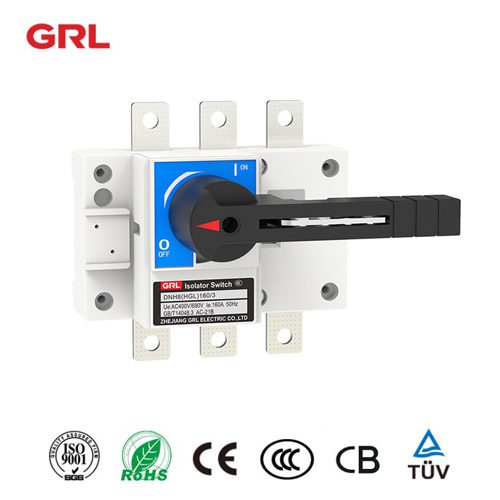
# Load Break Isolator: Essential Equipment for Electrical Safety
## Introduction to Load Break Isolator
A Load Break Isolator is a crucial component in electrical systems, designed to ensure safety during maintenance and repair operations. This device combines the functions of a switch and an isolator, allowing operators to safely disconnect electrical circuits under load conditions.
## How Load Break Isolators Work
The primary purpose of a Load Break Isolator is to provide a visible break in the circuit while being capable of interrupting load currents. Unlike standard isolators that can only operate when the circuit is de-energized, load break isolators can safely disconnect circuits carrying normal operating currents.
These devices typically feature:
- Visible contact separation for verification of circuit isolation
- Arc quenching mechanisms to safely interrupt current
- Robust construction to withstand electrical stresses
- Clear indication of open/closed status
## Key Applications of Load Break Isolators
Power Distribution Systems
Load break isolators are extensively used in medium voltage distribution networks, allowing safe isolation of transformers, capacitor banks, and feeder circuits.
Industrial Installations
Manufacturing facilities utilize these devices to isolate sections of their electrical systems for maintenance without requiring complete shutdowns.
Renewable Energy Systems
Solar and wind power installations employ load break isolators to safely disconnect generation equipment from the grid.
## Advantages of Using Load Break Isolators
The implementation of load break isolators offers several significant benefits:
- Enhanced Safety: Provides a safe means to isolate circuits without exposing personnel to live parts
- Operational Efficiency: Enables maintenance without complete system shutdowns
- Reliability: Designed for frequent operation with minimal maintenance requirements
- Cost-Effectiveness: Reduces downtime and associated production losses
## Selection Criteria for Load Break Isolators
Voltage Rating
The isolator must be rated for the system’s maximum operating voltage with appropriate safety margins.
Current Capacity
Selection should consider both normal load currents and potential short-circuit conditions.
Environmental Conditions
Factors like temperature, humidity, and pollution levels affect the choice of materials and insulation.
Keyword: Load Break Isolator
Mechanical Endurance
The device should withstand the specified number of operations without performance degradation.
## Maintenance and Safety Considerations
Proper maintenance of load break isolators is essential for continued safe operation:
- Regular inspection of contacts for wear or damage
- Verification of proper mechanical operation
- Cleaning of insulating surfaces
- Periodic lubrication of moving parts
- Thermal imaging to detect hot spots
Always follow manufacturer recommendations and industry standards when performing maintenance on load break isolators.
## Conclusion
Load break isolators play a vital role in modern electrical systems, providing a safe and reliable means to isolate circuits under load. Their proper selection, installation, and maintenance are essential for ensuring electrical safety and system reliability. As electrical systems continue to evolve, load break isolators remain a fundamental component in protecting both equipment and personnel.