
# Fuse Disconnector: Essential Protection for Electrical Systems
## What is a Fuse Disconnector?
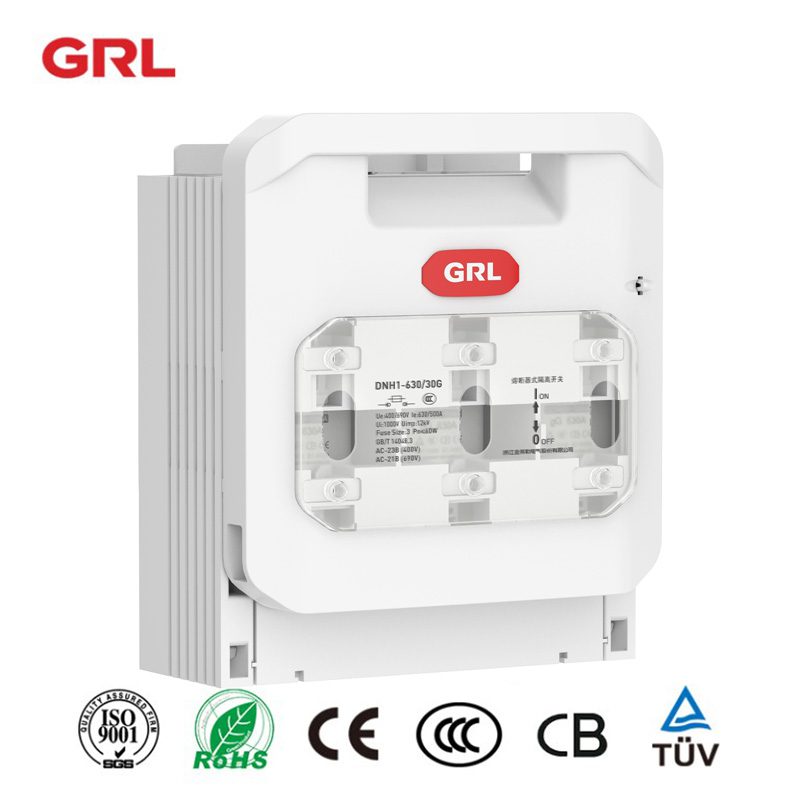
A fuse disconnector is a crucial component in electrical systems that combines the functions of a fuse and a disconnector. It provides both overcurrent protection and the ability to safely isolate circuits for maintenance or repair work. These devices are widely used in industrial, commercial, and residential electrical installations.
## Key Features of Fuse Disconnectors
Fuse disconnectors offer several important features that make them indispensable in electrical protection:
- Overcurrent protection through fuse elements
- Visible isolation gap for safety verification
- Manual operation for circuit disconnection
- Compact design that saves space in electrical panels
- Compliance with international safety standards
Keyword: Fuse Disconnector
## How Fuse Disconnectors Work
The Dual Functionality
The fuse disconnector operates in two distinct modes. During normal operation, it functions as a standard fuse, allowing current to flow through the system. When an overcurrent situation occurs, the fuse element melts, interrupting the circuit and protecting downstream equipment.
The Isolation Function
When maintenance is required, the disconnector mechanism allows the operator to manually open the circuit, creating a visible air gap that confirms isolation. This ensures worker safety during servicing operations.
## Applications of Fuse Disconnectors
Fuse disconnectors find applications in various electrical systems:
- Motor control centers
- Power distribution panels
- Transformer protection
- Industrial machinery
- Renewable energy systems
## Benefits of Using Fuse Disconnectors
Enhanced Safety
The visible isolation gap provides clear confirmation that the circuit is de-energized, reducing the risk of electrical accidents during maintenance.
Space Efficiency
By combining two functions in one device, fuse disconnectors save valuable space in electrical enclosures compared to using separate fuse holders and disconnectors.
Cost-Effectiveness
The integrated design reduces installation costs and minimizes the number of components needed in an electrical system.
## Choosing the Right Fuse Disconnector
When selecting a fuse disconnector, consider these factors:
- Voltage rating of your system
- Current requirements
- Type of load (motor, transformer, etc.)
- Environmental conditions
- Required safety certifications
## Maintenance and Safety Considerations
Proper maintenance of fuse disconnectors is essential for reliable operation:
- Regularly inspect for signs of overheating or damage
- Ensure proper torque on all connections
- Replace fuses with identical ratings
- Follow lockout/tagout procedures during maintenance
- Keep the disconnector mechanism clean and lubricated
## Conclusion
Fuse disconnectors play a vital role in protecting electrical systems and ensuring worker safety. Their dual functionality makes them an efficient and cost-effective solution for circuit protection and isolation. By understanding their operation and proper application, electrical professionals can design safer and more reliable systems.