
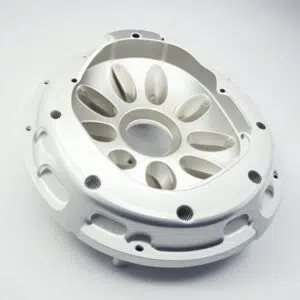
# Precision CNC Machined Components for Industrial Applications
## The Importance of CNC Machining in Modern Industry
Computer Numerical Control (CNC) machining has revolutionized the manufacturing industry by providing unparalleled precision and repeatability in producing complex parts. CNC machined components have become indispensable across various industrial sectors, from aerospace and automotive to medical and energy applications.
## What Are CNC Machined Parts?
CNC machining parts are components manufactured using computer-controlled machines that remove material from a workpiece to create the desired shape. This subtractive manufacturing process offers several advantages:
– High precision and tight tolerances
– Excellent surface finishes
– Ability to work with various materials
– Consistent quality across production runs
– Complex geometries achievable
## Materials Used in CNC Machined Components
Manufacturers can produce CNC machining parts from a wide range of materials to meet specific application requirements:
### Metals
– Aluminum (6061, 7075, etc.)
– Stainless steel (304, 316, etc.)
– Titanium
– Brass and copper
– Tool steels
### Plastics
Keyword: CNC machining parts
– ABS
– Nylon
– PEEK
– Delrin
– Polycarbonate
## Applications of CNC Machined Parts
Precision CNC machined components find applications in nearly every industrial sector:
### Aerospace Industry
– Aircraft structural components
– Engine parts
– Landing gear components
– Avionics housings
### Automotive Sector
– Engine blocks and cylinder heads
– Transmission components
– Suspension parts
– Custom aftermarket components
### Medical Field
– Surgical instruments
– Implantable devices
– Diagnostic equipment parts
– Prosthetic components
## Benefits of CNC Machining for Industrial Applications
The advantages of using CNC machining for industrial components are numerous:
– Precision: CNC machines can achieve tolerances as tight as ±0.0001 inches
– Repeatability: Identical parts can be produced consistently
– Speed: Automated processes reduce production time
– Flexibility: Quick changeovers between different parts
– Cost-effectiveness: Reduced waste and labor costs
## Choosing the Right CNC Machining Partner
When selecting a supplier for your CNC machining parts, consider these factors:
– Experience with your specific industry requirements
– Quality certifications (ISO 9001, AS9100, etc.)
– Material capabilities
– Production capacity
– Quality control processes
– Lead times and pricing
## Future Trends in CNC Machining
The CNC machining industry continues to evolve with technological advancements:
– Increased automation and robotics integration
– Adoption of Industry 4.0 and IoT technologies
– Development of hybrid manufacturing (combining additive and subtractive processes)
– Improved cutting tools and machining strategies
– Enhanced software for simulation and optimization
As industrial applications demand higher precision and more complex components, CNC machining remains at the forefront of manufacturing technology, delivering reliable, high-quality parts for critical applications across all sectors.