
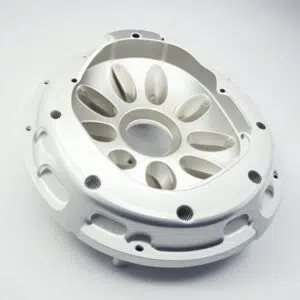
# Precision CNC Machined Components for Industrial Applications
## The Importance of CNC Machining in Modern Industry
CNC machining has revolutionized the manufacturing sector by providing unparalleled precision and repeatability in producing complex parts. These computer-controlled machines have become indispensable in various industries, from aerospace to medical devices, where tight tolerances and high-quality finishes are critical.
## Understanding CNC Machined Parts
CNC machining parts are components manufactured using computer numerical control technology. This process involves:
– Computer-aided design (CAD) software to create part blueprints
– Computer-aided manufacturing (CAM) software to generate machining instructions
– Precision cutting tools controlled by computer programs
– Various materials including metals, plastics, and composites
## Key Advantages of CNC Machined Components
### 1. Exceptional Precision and Accuracy
CNC machines can achieve tolerances as tight as ±0.0001 inches, ensuring parts meet exact specifications consistently.
### 2. High Repeatability
Once programmed, CNC machines can produce identical parts repeatedly without variation, crucial for mass production.
### 3. Complex Geometries Made Possible
CNC technology enables the creation of intricate shapes and features that would be impossible or impractical with manual machining.
### 4. Material Versatility
From aluminum and stainless steel to engineering plastics like PEEK and Delrin, CNC machines can work with a wide range of materials.
Keyword: CNC machining parts
## Common Industrial Applications
CNC machined parts serve critical functions across numerous industries:
– Aerospace: Engine components, structural elements, and flight control parts
– Automotive: Transmission components, engine parts, and custom fittings
– Medical: Surgical instruments, implants, and diagnostic equipment
– Electronics: Housings, heat sinks, and connector components
– Energy: Turbine blades, valve bodies, and drilling equipment parts
## Choosing the Right CNC Machining Partner
When selecting a supplier for CNC machining parts, consider these factors:
– Industry experience and certifications
– Quality control processes
– Material capabilities
– Production capacity and lead times
– Value-added services (finishing, assembly, etc.)
## The Future of CNC Machined Components
As technology advances, CNC machining continues to evolve with:
– Improved automation and robotics integration
– Advanced multi-axis machining capabilities
– Smart manufacturing with IoT connectivity
– Sustainable machining practices
For industrial applications demanding precision, reliability, and performance, CNC machined components remain the gold standard in manufacturing solutions.