
A2ZWEBDESIGNSUSA

Chinoiserie-Inspired Interior Design Trends

# Chinoiserie-Inspired Interior Design Trends

## The Timeless Allure of Chinoiserie

Chinoiserie, a European interpretation of Chinese artistic traditions, has captivated interior designers and homeowners for centuries. This decorative style blends Eastern motifs with Western aesthetics, creating spaces that exude exotic elegance and refined sophistication. From delicate porcelain patterns to elaborate lacquered furniture, chinoiserie continues to influence contemporary design in fascinating ways.

## Key Elements of Chinoiserie Design

Modern chinoiserie interiors incorporate several distinctive features:

– Hand-painted wallpaper featuring pagodas, cherry blossoms, and exotic birds
– Lacquered furniture with intricate mother-of-pearl inlays
– Blue-and-white porcelain vases and decorative objects
– Silk textiles with traditional Chinese patterns
– Bamboo and rattan accents for texture and authenticity

## Contemporary Interpretations

Today’s designers are putting fresh spins on classic chinoiserie elements:

### Bold Color Palettes

While traditional chinoiserie often featured soft pastels and classic blue-and-white combinations, contemporary versions embrace richer hues like emerald green, deep red, and gold.

Keyword: chinoiseries

### Mixed Materials

Modern interiors blend lacquered finishes with unexpected materials like concrete, brass, and velvet for an updated look that maintains the exotic charm of chinoiserie.

### Minimalist Approach

Some designers are paring down the typically ornate style, using just one or two chinoiserie pieces as statement accents in otherwise streamlined spaces.

## Incorporating Chinoiserie in Your Home

Here are some accessible ways to bring this elegant style into your interior:

– Start with small decorative objects like ginger jars or folding screens
– Add chinoiserie-inspired throw pillows or a single statement chair
– Consider removable wallpaper for a temporary yet dramatic transformation
– Mix chinoiserie elements with modern furniture for balance

## The Future of Chinoiserie

As global design continues to evolve, chinoiserie remains relevant by adapting to contemporary tastes while preserving its distinctive character. The style’s ability to bridge cultural aesthetics ensures its enduring appeal in interior design circles worldwide.
Chinoiserie-Inspired Home Decor Accents

# Chinoiserie-Inspired Home Decor Accents

## The Timeless Allure of Chinoiserie

Chinoiserie home accessories have captivated interior design enthusiasts for centuries. This European interpretation of Chinese artistic traditions blends exotic motifs with Western aesthetics, creating a unique decorative style that continues to enchant modern homeowners. From delicate porcelain vases to intricate lacquered screens, these pieces add an air of sophistication and worldly charm to any space.

## Essential Chinoiserie Elements for Your Home

When incorporating chinoiserie-inspired decor into your living space, consider these key elements:

– Blue and white porcelain: The classic color combination that defines much of chinoiserie design
– Pagoda-shaped accents: From bookends to lamps, these architectural forms add instant character
– Hand-painted wallpaper: Featuring birds, flowers, and scenic landscapes
– Lacquered furniture: Often adorned with gold leaf detailing and oriental scenes
– Silk textiles: Pillows, drapes, or upholstery with traditional Chinese patterns

## Mixing Chinoiserie with Modern Decor

The beauty of chinoiserie home accessories lies in their versatility. These pieces can seamlessly blend with various design styles:

For contemporary spaces, pair a single striking chinoiserie vase with minimalist furniture. In traditional settings, layer multiple chinoiserie elements for a more opulent look. The key is balance – let these decorative accents complement rather than overwhelm your existing decor.

## Where to Use Chinoiserie Accents

Consider these strategic placements for maximum impact:

Entryway Statements

A chinoiserie console table with matching mirror creates an impressive first impression. Add a blue and white ginger jar filled with fresh flowers for a welcoming touch.

Living Room Focal Points

An ornate chinoiserie screen can serve as both artwork and room divider. Alternatively, display a collection of small porcelain figurines on built-in shelves.

Bedroom Elegance

Incorporate chinoiserie through bedding with delicate floral patterns or a lacquered nightstand with hand-painted details.

## Caring for Your Chinoiserie Pieces

To preserve the beauty of your chinoiserie home accessories:

  • Dust porcelain items regularly with a soft cloth
  • Avoid placing lacquered furniture in direct sunlight to prevent fading
  • Use mild cleaners for painted surfaces
  • Rotate displayed items periodically to prevent uneven aging

## The Enduring Appeal of Oriental Elegance

Chinoiserie-inspired decor continues to thrive because it offers a perfect blend of exotic charm and timeless elegance. Whether you choose to make a bold statement with a large piece or subtly incorporate small accents, these decorative elements bring a sense of history, artistry, and global sophistication to modern interiors. The key to successful chinoiserie decorating lies in selecting pieces that speak to your personal style while maintaining harmony with your overall design scheme.

Precision CNC Machined Components for Industrial Applications

Precision CNC Machined Components for Industrial Applications

# Precision CNC Machined Components for Industrial Applications

## The Importance of CNC Machining in Modern Industry

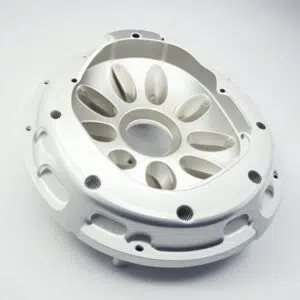
CNC machining has revolutionized the manufacturing sector by providing unparalleled precision and repeatability in producing complex parts. Industries ranging from aerospace to medical devices rely on CNC machined components for their critical applications. The ability to create parts with tight tolerances and excellent surface finishes makes CNC machining an indispensable technology in today’s industrial landscape.

## Understanding CNC Machined Parts

CNC (Computer Numerical Control) machined parts are components manufactured using automated machine tools controlled by pre-programmed computer software. These parts can be made from various materials including:

– Metals (aluminum, steel, titanium, brass)
– Plastics (ABS, nylon, polycarbonate)
– Composites
– Exotic alloys

The process involves subtractive manufacturing where material is removed from a workpiece to create the desired shape and dimensions.

## Key Advantages of CNC Machined Components

### 1. Exceptional Precision and Accuracy

CNC machines can achieve tolerances as tight as ±0.0002 inches (±0.00508 mm), making them ideal for applications where precision is paramount. This level of accuracy ensures proper fit and function in complex assemblies.

### 2. High Repeatability

Once a CNC program is perfected, it can produce identical parts repeatedly without variation. This consistency is crucial for mass production and quality control in industrial settings.

### 3. Complex Geometries Made Simple

CNC machining can create intricate shapes and features that would be difficult or impossible to achieve with conventional machining methods. This includes:

– Undercuts
– Deep cavities
– Complex contours
– Precise threading

### 4. Material Versatility

From soft plastics to hardened steels, CNC machines can work with an extensive range of materials, allowing manufacturers to select the optimal material for each application.

## Industrial Applications of CNC Machined Parts

### Aerospace Industry

The aerospace sector demands components that meet strict safety and performance standards. CNC machining produces:

– Engine components
– Landing gear parts
– Structural elements
– Avionics housings

### Medical Device Manufacturing

Precision is critical in medical applications where CNC machining creates:

– Surgical instruments
– Implants
– Diagnostic equipment components
– Prosthetic devices

### Automotive Sector

CNC machined parts are essential in both production vehicles and high-performance racing applications:

– Engine blocks and cylinder heads
– Transmission components
– Suspension parts
– Custom performance upgrades

### Electronics Industry

The electronics field benefits from CNC machining for:

– Heat sinks
– Enclosures and housings
– Connectors
– Precision mounting hardware

## Choosing the Right CNC Machining Partner

When selecting a supplier for CNC machined components, consider these factors:

– Experience with your specific industry requirements
– Quality control processes and certifications
– Material expertise
– Production capacity and lead times
– Value-added services (finishing, assembly, etc.)

A reliable CNC machining partner should offer comprehensive services from design assistance to final inspection, ensuring you receive components that meet your exact specifications.

## The Future of CNC Machining

As technology advances, CNC machining continues to evolve with:

– Improved automation and robotics integration
– Advanced cutting tools and techniques
– Enhanced software capabilities
– Sustainable manufacturing practices

These developments promise even greater precision, efficiency, and cost-effectiveness in producing CNC machined components for industrial applications.

For manufacturers seeking high-quality, precision-engineered parts, CNC machining remains the gold standard for producing reliable components that meet the demanding requirements of modern industry.

Precision CNC Machined Components for Industrial Applications

Precision CNC Machined Components for Industrial Applications

# Precision CNC Machined Components for Industrial Applications

## The Importance of CNC Machining in Modern Industry

Computer Numerical Control (CNC) machining has revolutionized the manufacturing industry by providing unparalleled precision and repeatability in producing complex parts. CNC machined components have become indispensable across various industrial sectors, from aerospace and automotive to medical and energy applications.

## What Are CNC Machined Parts?

CNC machining parts are components manufactured using computer-controlled machines that remove material from a workpiece to create the desired shape. This subtractive manufacturing process offers several advantages:

– High precision and tight tolerances
– Excellent surface finishes
– Ability to work with various materials
– Consistent quality across production runs
– Complex geometries achievable

## Materials Used in CNC Machined Components

Manufacturers can produce CNC machining parts from a wide range of materials to meet specific application requirements:

### Metals

– Aluminum (6061, 7075, etc.)
– Stainless steel (304, 316, etc.)
– Titanium
– Brass and copper
– Tool steels

### Plastics

– ABS
– Nylon
– PEEK
– Delrin
– Polycarbonate

## Applications of CNC Machined Parts

Precision CNC machined components find applications in nearly every industrial sector:

### Aerospace Industry

– Aircraft structural components
– Engine parts
– Landing gear components
– Avionics housings

### Automotive Sector

– Engine blocks and cylinder heads
– Transmission components
– Suspension parts
– Custom aftermarket components

### Medical Field

– Surgical instruments
– Implantable devices
– Diagnostic equipment parts
– Prosthetic components

## Benefits of CNC Machining for Industrial Applications

The advantages of using CNC machining for industrial components are numerous:

– Precision: CNC machines can achieve tolerances as tight as ±0.0001 inches
– Repeatability: Identical parts can be produced consistently
– Speed: Automated processes reduce production time
– Flexibility: Quick changeovers between different parts
– Cost-effectiveness: Reduced waste and labor costs

## Choosing the Right CNC Machining Partner

When selecting a supplier for your CNC machining parts, consider these factors:

– Experience with your specific industry requirements
– Quality certifications (ISO 9001, AS9100, etc.)
– Material capabilities
– Production capacity
– Quality control processes
– Lead times and pricing

## Future Trends in CNC Machining

The CNC machining industry continues to evolve with technological advancements:

– Increased automation and robotics integration
– Adoption of Industry 4.0 and IoT technologies
– Development of hybrid manufacturing (combining additive and subtractive processes)
– Improved cutting tools and machining strategies
– Enhanced software for simulation and optimization

As industrial applications demand higher precision and more complex components, CNC machining remains at the forefront of manufacturing technology, delivering reliable, high-quality parts for critical applications across all sectors.

Precision CNC Machining Parts for Industrial Applications

Precision CNC Machining Parts for Industrial Applications

# Precision CNC Machining Parts for Industrial Applications

## The Importance of CNC Machining in Modern Industry

Computer Numerical Control (CNC) machining has revolutionized the manufacturing sector by providing unparalleled precision and repeatability in part production. CNC machining parts have become essential components across various industries, from aerospace to medical devices, due to their ability to meet tight tolerances and complex design requirements.

## Understanding CNC Machining Parts

CNC machining parts are components manufactured using computer-controlled machines that remove material from a workpiece to create the desired shape. These parts can be made from various materials including:

– Metals (aluminum, steel, titanium)
– Plastics (ABS, nylon, polycarbonate)
– Composites
– Wood

## Key Advantages of Precision CNC Machined Parts

### 1. Exceptional Accuracy and Consistency

CNC machines can maintain tolerances as tight as ±0.0001 inches, ensuring every part meets exact specifications. This level of precision is crucial for applications where component fit and function are critical.

### 2. Complex Geometries Made Possible

Unlike conventional machining methods, CNC technology can produce parts with intricate designs, including:

– Complex curves
– Precise angles
– Detailed surface features
– Internal cavities

### 3. Rapid Prototyping and Production

CNC machining allows for quick turnaround from design to finished product, making it ideal for both prototyping and full-scale production runs.

## Industrial Applications of CNC Machined Parts

### Aerospace Components

The aerospace industry relies heavily on CNC machining for critical components that must withstand extreme conditions while maintaining precise specifications.

### Medical Device Manufacturing

From surgical instruments to implantable devices, CNC machining provides the sterile, high-precision parts required in healthcare applications.

### Automotive Industry

CNC machining produces engine components, transmission parts, and other critical automotive elements that demand durability and precision.

### Electronics and Telecommunications

The miniaturization trend in electronics requires the precision that only CNC machining can provide for components like:

– Heat sinks
– Connectors
– Enclosures
– RF components

## Choosing the Right CNC Machining Partner

When selecting a supplier for CNC machining parts, consider these factors:

– Experience with your specific industry requirements
– Quality control processes and certifications
– Material expertise
– Production capacity and lead times
– Value-added services (finishing, assembly, etc.)

The demand for precision CNC machining parts continues to grow as industries push the boundaries of design and performance. By understanding the capabilities and applications of CNC machining, manufacturers can make informed decisions that enhance product quality and operational efficiency.

Precision CNC Machined Components for Industrial Applications

Precision CNC Machined Components for Industrial Applications

# Precision CNC Machined Components for Industrial Applications

## The Importance of CNC Machining in Modern Industry

Computer Numerical Control (CNC) machining has revolutionized manufacturing processes across various industries. This advanced technology enables the production of highly precise components with exceptional repeatability, making it indispensable for industrial applications where accuracy and consistency are paramount.

## Understanding CNC Machined Parts

CNC machined parts are components manufactured using computer-controlled machine tools that remove material from a workpiece to create the desired shape. These parts offer several advantages:

– Exceptional dimensional accuracy
– Tight tolerances
– Excellent surface finishes
– Complex geometries achievable
– High repeatability for mass production

## Key Industries Utilizing CNC Machined Components

### 1. Aerospace Industry

The aerospace sector relies heavily on precision CNC machining for critical components such as:

– Turbine blades
– Engine parts
– Structural components
– Landing gear elements

### 2. Automotive Manufacturing

CNC machining plays a vital role in producing:

– Engine blocks
– Transmission components
– Suspension parts
– Custom aftermarket upgrades

### 3. Medical Equipment

The medical field benefits from CNC precision for:

– Surgical instruments
– Implants
– Diagnostic equipment components
– Prosthetic devices

### 4. Electronics and Telecommunications

CNC machining produces:

– Enclosures and housings
– Heat sinks
– Connectors
– Waveguide components

## Materials Used in CNC Machined Parts

Manufacturers can work with various materials depending on application requirements:

Material Type | Common Applications
Aluminum | Aerospace, automotive, electronics
Stainless Steel | Medical, food processing, marine
Titanium | Aerospace, medical implants
Plastics | Electronics, consumer products
Brass | Plumbing, electrical components

## Advantages of CNC Machining for Industrial Applications

CNC machining offers numerous benefits that make it ideal for industrial applications:

– High precision and accuracy
– Consistent quality across production runs
– Ability to create complex geometries
– Fast production times for prototypes and mass production
– Reduced material waste compared to traditional methods
– Flexibility to accommodate design changes

## Quality Control in CNC Machined Components

To ensure the highest quality standards, manufacturers implement rigorous quality control measures:

– First Article Inspection (FAI)
– In-process dimensional checks
– Surface finish verification
– Material certification
– Final comprehensive inspection

## Future Trends in CNC Machining

The CNC machining industry continues to evolve with emerging technologies:

– Increased automation and robotics integration
– Advanced multi-axis machining capabilities
– Implementation of AI for process optimization
– Growth in hybrid manufacturing (combining additive and subtractive processes)
– Improved sustainability through energy-efficient processes

## Choosing the Right CNC Machining Partner

When selecting a supplier for CNC machined components, consider:

– Industry experience and certifications
– Equipment capabilities and technology
– Quality assurance processes
– Material expertise
– Capacity for both prototyping and production runs
– Customer service and technical support

Precision CNC machined components form the backbone of modern industrial applications across numerous sectors. As technology advances, CNC machining continues to push the boundaries of what’s possible in manufacturing, delivering increasingly complex and precise components that drive innovation in countless industries.

Precision CNC Machined Components for Industrial Applications

Precision CNC Machined Components for Industrial Applications

# Precision CNC Machined Components for Industrial Applications

## The Importance of CNC Machining in Modern Industry

CNC machining has revolutionized the manufacturing sector by providing unparalleled precision and repeatability in producing complex parts. These computer-controlled machines have become indispensable in various industries, from aerospace to medical devices, where tight tolerances and high-quality finishes are critical.

## Understanding CNC Machined Parts

CNC machining parts are components manufactured using computer numerical control technology. This process involves:

– Computer-aided design (CAD) software to create part blueprints
– Computer-aided manufacturing (CAM) software to generate machining instructions
– Precision cutting tools controlled by computer programs
– Various materials including metals, plastics, and composites

## Key Advantages of CNC Machined Components

### 1. Exceptional Precision and Accuracy

CNC machines can achieve tolerances as tight as ±0.0001 inches, ensuring parts meet exact specifications consistently.

### 2. High Repeatability

Once programmed, CNC machines can produce identical parts repeatedly without variation, crucial for mass production.

### 3. Complex Geometries Made Possible

CNC technology enables the creation of intricate shapes and features that would be impossible or impractical with manual machining.

### 4. Material Versatility

From aluminum and stainless steel to engineering plastics like PEEK and Delrin, CNC machines can work with a wide range of materials.

## Common Industrial Applications

CNC machined parts serve critical functions across numerous industries:

– Aerospace: Engine components, structural elements, and flight control parts
– Automotive: Transmission components, engine parts, and custom fittings
– Medical: Surgical instruments, implants, and diagnostic equipment
– Electronics: Housings, heat sinks, and connector components
– Energy: Turbine blades, valve bodies, and drilling equipment parts

## Choosing the Right CNC Machining Partner

When selecting a supplier for CNC machining parts, consider these factors:

– Industry experience and certifications
– Quality control processes
– Material capabilities
– Production capacity and lead times
– Value-added services (finishing, assembly, etc.)

## The Future of CNC Machined Components

As technology advances, CNC machining continues to evolve with:

– Improved automation and robotics integration
– Advanced multi-axis machining capabilities
– Smart manufacturing with IoT connectivity
– Sustainable machining practices

For industrial applications demanding precision, reliability, and performance, CNC machined components remain the gold standard in manufacturing solutions.

Precision CNC Machined Components for Industrial Applications

Precision CNC Machined Components for Industrial Applications

# Precision CNC Machined Components for Industrial Applications

## The Importance of CNC Machining in Modern Manufacturing

CNC machining has revolutionized the manufacturing industry by providing unparalleled precision and repeatability in producing complex parts. CNC machining parts are essential components in various industrial applications, from aerospace to medical devices. The technology allows for the creation of intricate designs with tight tolerances that would be impossible to achieve through conventional manufacturing methods.

## Understanding CNC Machined Components

CNC (Computer Numerical Control) machined parts are manufactured using pre-programmed computer software that controls the movement of factory tools and machinery. This process can be used to control a range of complex machinery, from grinders and lathes to mills and routers. With CNC machining, three-dimensional cutting tasks can be accomplished in a single set of prompts.

### Key Characteristics of Quality CNC Machined Parts:

– High dimensional accuracy
– Excellent surface finish
– Consistent quality across production runs
– Ability to maintain tight tolerances
– Compatibility with various materials

## Materials Used in CNC Machined Components

CNC machining can work with a wide variety of materials, each offering unique properties for different industrial applications:

### Metals:

– Aluminum (lightweight and corrosion-resistant)
– Stainless steel (durable and resistant to corrosion)
– Titanium (high strength-to-weight ratio)
– Brass (excellent machinability)
– Copper (superior electrical conductivity)

### Plastics:

– ABS (impact resistant)
– Nylon (wear resistant)
– PEEK (high temperature resistance)
– Polycarbonate (optical clarity)
– PTFE (chemical resistance)

## Applications of CNC Machined Parts Across Industries

CNC machining parts serve critical functions in numerous industrial sectors:

### Aerospace Industry

The aerospace sector demands components with extreme precision and reliability. CNC machining produces aircraft parts that must withstand harsh conditions while maintaining perfect functionality.

### Automotive Sector

From engine components to custom car parts, CNC machining enables the production of high-performance automotive parts with consistent quality.

### Medical Field

Surgical instruments, implants, and medical device components require the highest levels of precision and cleanliness, making CNC machining the ideal manufacturing method.

### Electronics Manufacturing

CNC machining creates precise housings, heat sinks, and connectors for electronic devices where millimeter-level accuracy is crucial.

## Advantages of CNC Machined Components

The benefits of using CNC machining for industrial parts production are numerous:

1. **Precision Engineering**: CNC machines can produce parts with tolerances as tight as ±0.001 inches.
2. **Repeatability**: Once programmed, CNC machines can produce identical parts repeatedly without variation.
3. **Complex Geometries**: CNC technology can create shapes and features that would be impossible with manual machining.
4. **Material Versatility**: Ability to work with metals, plastics, and composite materials.
5. **Efficiency**: Faster production times compared to traditional methods.
6. **Cost-Effectiveness**: Reduced labor costs and material waste lead to better overall economics.

## Quality Control in CNC Machining

Ensuring the quality of CNC machined parts involves multiple steps:

1. **Design Verification**: CAD models are thoroughly checked before machining begins.
2. **In-Process Inspection**: Measurements are taken during production to maintain quality standards.
3. **Final Inspection**: Finished parts undergo rigorous testing to verify dimensions and functionality.
4. **Surface Finish Analysis**: Ensuring the required surface texture is achieved.
5. **Material Certification**: Verifying that all materials meet specified standards.

## Future Trends in CNC Machining

The CNC machining industry continues to evolve with technological advancements:

– **Automation Integration**: More robotic loading/unloading systems for lights-out manufacturing
– **Smart Machining**: IoT-enabled machines with real-time monitoring and predictive maintenance
– **Advanced Materials**: Development of new alloys and composites for specialized applications
– **Hybrid Manufacturing**: Combining additive and subtractive processes for complex parts
– **Sustainability Focus**: Energy-efficient machines and recycling of machining byproducts

## Choosing the

Precision CNC Machined Components for Industrial Applications

Precision CNC Machined Components for Industrial Applications

# Precision CNC Machined Components for Industrial Applications

## The Importance of CNC Machining in Modern Industry

CNC machining has revolutionized the manufacturing sector by providing unparalleled precision and consistency in producing complex parts. This technology has become indispensable across various industries, from aerospace to medical equipment manufacturing.

## What Are CNC Machined Parts?

CNC (Computer Numerical Control) machined parts are components manufactured using automated machine tools controlled by pre-programmed computer software. These parts offer:

– Exceptional dimensional accuracy
– Tight tolerances
– Excellent surface finishes
– High repeatability

## Key Industries Utilizing CNC Machined Components

### Aerospace Industry

The aerospace sector demands components with extreme precision and reliability. CNC machining produces:

– Aircraft structural components
– Engine parts
– Landing gear elements
– Avionics housings

### Automotive Sector

Modern vehicles incorporate numerous CNC machined parts including:

– Engine blocks and cylinder heads
– Transmission components
– Suspension parts
– Custom performance upgrades

### Medical Equipment Manufacturing

The medical field benefits from CNC machining through:

– Surgical instruments
– Implantable devices
– Diagnostic equipment components
– Prosthetic parts

## Advantages of CNC Machined Components

CNC machining offers several significant benefits for industrial applications:

### Precision and Accuracy

Modern CNC machines can achieve tolerances as tight as ±0.0001 inches, ensuring parts meet exact specifications.

### Material Versatility

CNC machining works with a wide range of materials including:

– Metals (aluminum, steel, titanium, brass)
– Plastics (ABS, PEEK, nylon)
– Composites
– Specialty alloys

### Cost-Effectiveness

While initial setup costs may be higher, CNC machining becomes cost-effective for:

– Medium to high volume production
– Complex geometries
– Parts requiring minimal post-processing

## Quality Control in CNC Machining

Reputable manufacturers implement rigorous quality control measures:

– First-article inspection
– In-process dimensional verification
– Final quality audits
– Material certification
– Surface finish analysis

## Choosing the Right CNC Machining Partner

When selecting a supplier for CNC machined components, consider:

– Industry experience and certifications
– Equipment capabilities and technology
– Quality assurance processes
– Material expertise
– Lead times and production capacity

## Future Trends in CNC Machining

The CNC machining industry continues to evolve with:

– Advanced multi-axis machines
– Hybrid manufacturing technologies
– Smart machining with IoT integration
– Sustainable machining practices
– AI-driven process optimization

CNC machined components will remain critical to industrial applications as manufacturers demand higher precision, faster turnaround, and more complex geometries.

Precision CNC Machined Components for Industrial Applications

Precision CNC Machined Components for Industrial Applications

# Precision CNC Machined Components for Industrial Applications

## The Importance of CNC Machining in Modern Manufacturing

Computer Numerical Control (CNC) machining has revolutionized the manufacturing industry by providing unparalleled precision and repeatability in part production. CNC machined components have become essential across various industrial sectors, from aerospace to medical devices, due to their ability to meet tight tolerances and complex design requirements.

## Key Advantages of CNC Machined Parts

### 1. Exceptional Precision and Accuracy

CNC machining offers micron-level accuracy, ensuring that each component meets exact specifications. This precision is critical for applications where even minor deviations can lead to system failures or performance issues.

### 2. Material Versatility

CNC machines can work with a wide range of materials, including:
– Metals (aluminum, steel, titanium, brass)
– Plastics (ABS, PEEK, nylon)
– Composites
– Specialty alloys

### 3. Complex Geometries Made Simple

Modern CNC technology enables the production of intricate shapes and features that would be impossible or cost-prohibitive with conventional machining methods.

## Common Applications of CNC Machined Components

### Aerospace Industry

CNC parts are vital for aircraft and spacecraft, where lightweight yet strong components are required. Typical applications include:
– Engine components
– Landing gear parts
– Structural elements
– Avionics housings

### Automotive Sector

The automotive industry relies heavily on CNC machining for:
– Engine blocks and cylinder heads
– Transmission components
– Suspension parts
– Custom aftermarket upgrades

### Medical Device Manufacturing

Precision is paramount in medical applications, making CNC machining ideal for:
– Surgical instruments
– Implants
– Diagnostic equipment components
– Prosthetics

## Choosing the Right CNC Machining Partner

When selecting a supplier for CNC machined components, consider these factors:

1. **Experience and Expertise**: Look for a manufacturer with proven capabilities in your specific industry
2. **Quality Certifications**: Ensure they meet relevant standards (ISO, AS9100, etc.)
3. **Equipment Capabilities**: Verify they have the right machines for your project requirements
4. **Material Sourcing**: Check if they can provide certified materials when needed
5. **Secondary Services**: Consider if they offer additional services like finishing, assembly, or testing

## The Future of CNC Machined Components

As technology advances, CNC machining continues to evolve with:
– Improved multi-axis capabilities
– Integration with additive manufacturing
– Enhanced automation and robotics
– Smarter software for design and simulation

These developments promise even greater precision, efficiency, and cost-effectiveness in producing high-quality machined components for industrial applications.