
A2ZWEBDESIGNSUSA

Inspection Equipment for Quality Control

Inspection Equipment for Quality Control

# Inspection Equipment for Quality Control

## The Importance of Quality Control in Manufacturing

Quality control is a critical aspect of modern manufacturing processes. Companies across various industries rely on inspection equipment to ensure their products meet strict quality standards. From automotive parts to electronic components, proper inspection helps maintain consistency, reduce defects, and improve overall product reliability.

## Types of Inspection Equipment

### 1. Optical Inspection Systems

Optical inspection systems use advanced cameras and image processing software to detect surface defects, dimensional inaccuracies, and assembly errors. These systems are particularly useful for:

– PCB inspection
– Semiconductor wafer examination
– Automotive component verification

### 2. Coordinate Measuring Machines (CMMs)

CMMs are precision measurement devices that use a probe to determine the coordinates of points on a workpiece surface. They provide:

– High-accuracy dimensional measurements
– Geometric tolerance verification
– Complex surface analysis

### 3. X-ray Inspection Equipment

X-ray systems allow for non-destructive testing of internal structures. Common applications include:

– Welding inspection
– Casting defect detection
– Electronic component analysis

## Benefits of Advanced Inspection Equipment

Modern inspection equipment offers numerous advantages for quality control:

– Increased accuracy and repeatability
– Faster inspection times compared to manual methods

– Reduced human error
– Comprehensive data collection for process improvement
– Early defect detection, minimizing waste

## Implementing Inspection Equipment in Your Process

When integrating inspection equipment into your quality control system, consider:

– The specific requirements of your products
– Production volume and speed
– Available floor space
– Operator training needs
– Data integration with existing systems

Proper implementation of inspection equipment can significantly improve your manufacturing quality while reducing costs associated with defects and rework. As technology advances, these systems continue to become more sophisticated, offering even greater capabilities for quality assurance professionals.

Liuzhou Stinky Tofu Snack

Liuzhou Stinky Tofu Snack

# Liuzhou Stinky Tofu Snack: A Unique Culinary Experience

## The Legend of Luosifen Choubao

When it comes to distinctive regional snacks from China’s Guangxi province, few can match the bold flavors and unforgettable aroma of Liuzhou’s famous stinky tofu snack, locally known as “luosifen choubao.” This pungent delicacy has been captivating adventurous eaters for generations, offering a taste experience that’s as memorable as it is divisive.

## What Makes Liuzhou Stinky Tofu Special?

Unlike ordinary tofu, Liuzhou’s version undergoes a special fermentation process that gives it its characteristic strong odor and complex flavor profile. The preparation involves:

– Carefully selected soybeans
– A unique brine solution
– Traditional fermentation techniques passed down through generations
– Precise aging duration (typically 1-3 months)

## The Flavor Paradox

While the smell might be off-putting to the uninitiated, connoisseurs appreciate the remarkable transformation that occurs when the tofu is cooked. The initial pungency gives way to:

– A rich, savory umami taste
– Creamy interior texture
– Crispy golden exterior when fried
– Complex fermented notes that linger pleasantly

## How to Enjoy Liuzhou Stinky Tofu

Locals typically serve their luosifen choubao in several traditional ways:

### Classic Fried Stinky Tofu

The most popular preparation involves deep-frying the fermented tofu until golden brown, then serving it with Liuzhou’s signature spicy and sour dipping sauce.

### Stinky Tofu Hot Pot

During colder months, the tofu becomes the star ingredient in a communal hot pot, absorbing the flavors of the simmering broth while maintaining its distinctive character.

### Street Food Style

Vendors throughout Liuzhou offer bite-sized portions on skewers, perfect for enjoying while exploring the city’s vibrant night markets.

## Cultural Significance

Beyond its culinary appeal, stinky tofu holds an important place in Liuzhou’s food culture. It represents:

– The ingenuity of traditional food preservation methods
– Regional pride in distinctive local flavors
– A connection to Guangxi’s agricultural heritage

– The bold spirit of Liuzhou’s culinary traditions

## Tips for First-Time Tasters

If you’re new to this acquired taste, consider these suggestions:

– Start with small portions
– Pair with cooling beverages like chrysanthemum tea
– Try it freshly cooked and hot for best texture
– Keep an open mind – the smell doesn’t reflect the taste!

Whether you’re a daring food explorer or a fermented food enthusiast, Liuzhou’s stinky tofu snack offers a truly unique gastronomic adventure that captures the essence of this vibrant region’s culinary identity.

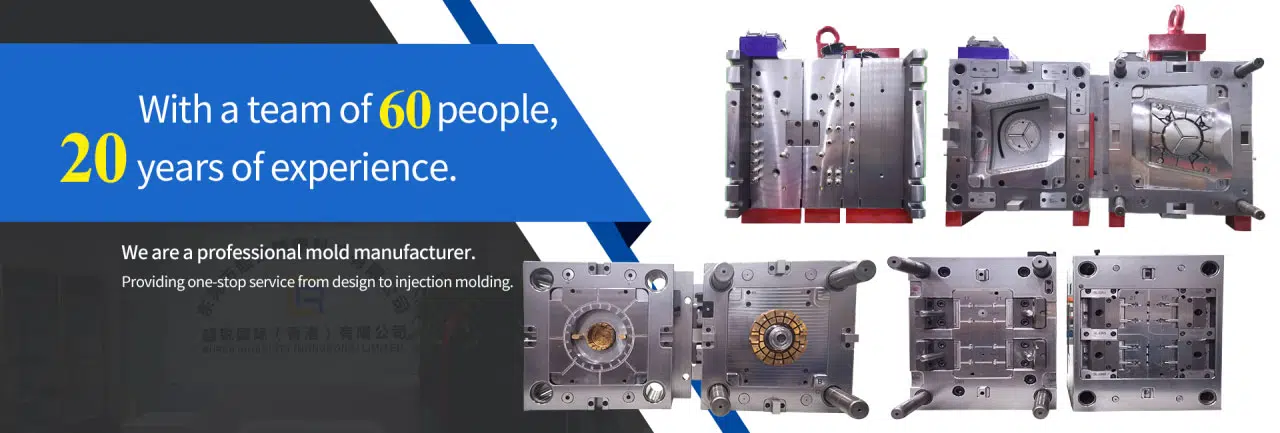
Moldflow Simulation in Injection Molding Process Optimization

Moldflow Simulation in Injection Molding Process Optimization

# Moldflow Simulation in Injection Molding Process Optimization

## Introduction to Moldflow Simulation

Moldflow simulation is a powerful tool used in the plastic injection molding industry to optimize the manufacturing process. By leveraging advanced computational algorithms, engineers can predict how molten plastic will flow into a mold cavity, identify potential defects, and make necessary adjustments before actual production begins.

## The Importance of Process Optimization

Injection molding is a complex process with numerous variables that can affect product quality and production efficiency. Key factors include:

– Melt temperature
– Injection pressure
– Cooling time
– Gate location
– Mold design

Moldflow simulation helps manufacturers understand how these variables interact and provides insights for process optimization.

## How Moldflow Simulation Works

The simulation process typically involves several steps:

– Importing the CAD model of the part and mold
– Defining material properties
– Setting process parameters
– Running the simulation
– Analyzing results

Advanced software can simulate various scenarios in minutes, saving significant time and resources compared to physical trial-and-error methods.

## Benefits of Using Moldflow Simulation

Implementing Moldflow simulation offers numerous advantages:

– Reduced development time and costs
– Improved part quality and consistency
– Minimized material waste
– Optimized cycle times
– Early detection of potential defects

## Common Applications

Moldflow simulation is widely used for:

– Predicting and preventing warpage
– Optimizing gate locations
– Balancing runner systems
– Analyzing cooling channel effectiveness

– Evaluating different material choices

## Future Trends in Moldflow Simulation

As technology advances, we can expect to see:

– More accurate material models
– Faster computation times
– Integration with Industry 4.0 systems
– Enhanced visualization tools
– Greater automation in optimization processes

## Conclusion

Moldflow simulation has become an indispensable tool in modern injection molding operations. By enabling virtual testing and optimization, it helps manufacturers produce higher quality parts with greater efficiency and lower costs. As simulation technology continues to evolve, its role in process optimization will only become more significant.

Cobalt-Based Powder FSX-414 for High-Temperature Applications

# Cobalt-Based Powder FSX-414 for High-Temperature Applications

## Introduction to FSX-414 Cobalt-Based Powder

Cobalt-based alloys have long been recognized for their exceptional performance in high-temperature environments. Among these, FSX-414 stands out as a particularly valuable material for demanding applications. This powder metallurgy product combines excellent oxidation resistance, thermal stability, and mechanical strength, making it ideal for components exposed to extreme heat and corrosive conditions.

## Key Properties of FSX-414 Powder

The FSX-414 cobalt-based powder exhibits several remarkable characteristics:

– Outstanding high-temperature strength
– Excellent oxidation resistance up to 2000°F (1093°C)
– Good thermal fatigue resistance
– Superior corrosion resistance in various environments
– Maintains mechanical properties at elevated temperatures

## Manufacturing Process

FSX-414 powder is typically produced through gas atomization, a process that creates spherical particles with excellent flow characteristics. This manufacturing method ensures:

– Consistent particle size distribution
– High purity levels
– Homogeneous chemical composition
– Optimal packing density for subsequent processing

## Applications in High-Temperature Environments

The unique properties of FSX-414 make it suitable for numerous demanding applications:

### Aerospace Components

FSX-414 powder is widely used in aircraft turbine engines for:
– Combustion chamber liners
– Nozzle guide vanes
– Afterburner components

### Industrial Gas Turbines

The material finds extensive use in:
– Hot gas path components
– Turbine blades and vanes
– Combustion systems

### Power Generation

FSX-414 is employed in:
– High-temperature valves
– Heat exchangers
– Boiler components

## Advantages Over Competing Materials

When compared to nickel-based superalloys or other cobalt alloys, FSX-414 offers several distinct benefits:

– Better sulfidation resistance
– Superior thermal shock resistance
– Longer service life in cyclic temperature conditions
– Reduced maintenance requirements
– Cost-effectiveness for certain applications

## Processing Considerations

Working with FSX-414 powder requires attention to several factors:

### Powder Handling

Proper storage and handling are essential to maintain powder quality:
– Store in dry, inert environments
– Use appropriate powder handling equipment
– Maintain cleanliness to prevent contamination

### Additive Manufacturing

FSX-414 is increasingly used in laser powder bed fusion (LPBF) processes:
– Requires optimized parameter sets
– Benefits from pre-heating of build platform
– May need post-processing heat treatments

## Future Developments

Research continues to enhance FSX-414’s capabilities:
– Improved powder characteristics for better AM performance
– Development of modified compositions for specific applications
– Optimization of post-processing techniques

## Conclusion

FSX-414 cobalt-based powder represents a high-performance solution for components operating in extreme thermal environments. Its combination of oxidation resistance, thermal stability, and mechanical strength makes it indispensable for aerospace, power generation, and industrial applications. As additive manufacturing technologies advance, the use of FSX-414 powder is expected to grow, offering new possibilities for complex, high-temperature components.

What Is a Solvent Weld Ball Valve?

# What Is a Solvent Weld Ball Valve?

A solvent weld ball valve is a type of valve commonly used in plumbing and industrial applications to control the flow of liquids or gases. Unlike threaded or compression fittings, solvent weld valves are permanently bonded to pipes using a chemical solvent, creating a strong, leak-proof connection. These valves are particularly popular in PVC and CPVC piping systems due to their durability and ease of installation.

## How Does a Solvent Weld Ball Valve Work?

The term “solvent weld” refers to the process of chemically fusing the valve to the pipe. The solvent cement softens the surfaces of both the valve and the pipe, allowing them to bond together as the solvent evaporates. Once cured, the connection becomes a single, solid piece, ensuring a secure and long-lasting seal.

The “ball” in the name comes from the internal mechanism—a spherical ball with a hole through its center. When the valve handle is turned, the ball rotates to either allow or block the flow of fluid. In the open position, the hole aligns with the pipe, permitting flow. When closed, the ball turns 90 degrees, blocking the passage completely.

## Key Features of Solvent Weld Ball Valves

– **Material Compatibility**: Typically made from PVC or CPVC, these valves are ideal for corrosive or chemical-laden fluids.
– **Leak-Proof Connection**: The solvent weld process eliminates the risk of leaks common with threaded fittings.
– **Full Port Design**: Many solvent weld ball valves offer a full port, meaning the internal diameter matches the pipe size, minimizing flow restriction.
– **Simple Operation**: A quarter-turn handle allows for quick and easy opening or closing.
– **Chemical Resistance**: PVC and CPVC materials resist a wide range of chemicals, making them suitable for industrial applications.

## Applications of Solvent Weld Ball Valves

Solvent weld ball valves are widely used in:

– **Residential Plumbing**: For water supply lines, irrigation systems, and pool installations.
– **Industrial Systems**: In chemical processing, wastewater treatment, and manufacturing plants.
– **Aquariums and Ponds**: To control water flow in filtration systems.
– **Laboratory Setups**: Where precise fluid control is necessary.

## Installation Tips for Solvent Weld Ball Valves

1. **Prepare the Pipe Ends**: Cut the pipe cleanly and deburr the edges to ensure a smooth fit.
2. **Apply Primer**: Use a PVC primer to clean and soften the surfaces before applying solvent cement.
3. **Apply Solvent Cement**: Coat both the pipe and valve socket evenly with cement.

4. **Insert and Hold**: Quickly insert the pipe into the valve socket and hold firmly for a few seconds to allow initial bonding.
5. **Cure Time**: Wait at least 24 hours before pressurizing the system to ensure a full cure.

## Advantages Over Other Valve Types

– **No Threads or Gaskets**: Eliminates potential weak points that could fail over time.
– **Corrosion Resistance**: Unlike metal valves, PVC and CPVC won’t rust or corrode.
– **Cost-Effective**: Generally more affordable than metal valves, especially for large-scale installations.
– **Lightweight**: Easier to handle and install compared to heavy metal alternatives.

## Conclusion

Solvent weld ball valves offer a reliable, leak-proof solution for controlling fluid flow in PVC and CPVC piping systems. Their simple design, chemical resistance, and ease of installation make them a popular choice for both residential and industrial applications. By understanding their features and proper installation techniques, you can ensure a long-lasting and efficient plumbing system.

Microarc Shaped PDC Cutter for Enhanced Drilling Performance

# Microarc Shaped PDC Cutter for Enhanced Drilling Performance

## Introduction

The oil and gas industry is constantly seeking innovative solutions to improve drilling efficiency and reduce operational costs. One such breakthrough is the development of the Microarc Shaped PDC (Polycrystalline Diamond Compact) cutter, a cutting-edge technology designed to enhance drilling performance in challenging formations.

## What is a Microarc Shaped PDC Cutter?

A Microarc Shaped PDC cutter represents a significant advancement in drill bit technology. Unlike traditional PDC cutters with flat or chamfered edges, these cutters feature a unique microarc geometry that:

– Improves stress distribution across the cutting surface
– Enhances impact resistance
– Reduces heat generation during drilling
– Extends cutter life in abrasive formations

## Key Advantages of Microarc Shaped PDC Cutters

### 1. Superior Durability

The microarc design significantly improves the cutter’s ability to withstand the extreme forces encountered during drilling operations. This geometry helps prevent premature wear and catastrophic failure, particularly in hard and abrasive formations.

### 2. Enhanced Rate of Penetration (ROP)

Field tests have demonstrated that bits equipped with microarc shaped PDC cutters achieve:

– 15-25% higher ROP in medium-hard formations
– Improved consistency in drilling performance
– Better stability in directional drilling applications

### 3. Reduced Vibration and Improved Stability

The unique geometry of microarc shaped cutters helps dampen vibrations, leading to:

– Smoother drilling operations
– Reduced bit whirl
– Improved borehole quality
– Extended tool life for downhole equipment

## Applications in Challenging Formations

Microarc shaped PDC cutters have proven particularly effective in:

– Hard and abrasive sandstone formations
– Interbedded formations with varying hardness
– High-temperature drilling environments

– Directional and horizontal drilling applications

## Future Developments

As drilling operations continue to push into more challenging environments, researchers are working on:

– Advanced microarc geometries optimized for specific formation types
– Hybrid cutter designs combining microarc shapes with other innovative features
– Improved manufacturing techniques for enhanced consistency and performance

## Conclusion

The Microarc Shaped PDC cutter represents a significant leap forward in drilling technology. By combining innovative geometry with advanced materials science, these cutters deliver measurable improvements in drilling performance, durability, and operational efficiency. As the technology continues to evolve, we can expect even greater advancements in the quest for more efficient and cost-effective drilling solutions.

ISO 9001:2015 Quality Management System Implementation Guide

ISO 9001:2015 Quality Management System Implementation Guide

# ISO 9001:2015 Quality Management System Implementation Guide

## Introduction to ISO 9001:2015

The ISO 9001:2015 standard is the most widely recognized quality management system (QMS) framework in the world. This international standard provides organizations with a systematic approach to managing their processes to ensure consistent quality in products and services. Implementing ISO 9001:2015 can help businesses improve efficiency, enhance customer satisfaction, and gain a competitive edge in their industry.

## Key Principles of ISO 9001:2015

The ISO 9001:2015 standard is built on seven quality management principles:

– Customer focus
– Leadership
– Engagement of people
– Process approach
– Improvement
– Evidence-based decision making
– Relationship management

## Step-by-Step Implementation Guide

### 1. Leadership Commitment

Top management must demonstrate leadership and commitment to the QMS by:

– Establishing a quality policy
– Defining quality objectives
– Ensuring resources are available
– Promoting continual improvement

### 2. Gap Analysis

Conduct a thorough assessment of your current processes against ISO 9001:2015 requirements to identify:

– Existing compliant processes
– Areas needing improvement
– Missing elements that need to be developed

### 3. Documentation Development

Create the necessary documentation including:

– Quality manual
– Procedures and work instructions
– Records and forms
– Process maps and flowcharts

### 4. Implementation

Roll out the QMS across the organization by:

– Training employees on new processes
– Implementing documented procedures
– Establishing performance metrics
– Setting up internal communication channels

### 5. Internal Audit

Conduct internal audits to:

– Verify compliance with ISO 9001:2015
– Identify nonconformities
– Assess effectiveness of implemented processes

### 6. Management Review

Hold regular management reviews to evaluate:

– QMS performance
– Opportunities for improvement
– Need for changes to the system
– Resource requirements

### 7. Certification Audit

Prepare for and undergo the certification audit process:

– Stage 1 audit (documentation review)
– Stage 2 audit (implementation assessment)
– Address any nonconformities
– Receive certification upon successful completion

## Maintaining Your ISO 9001:2015 QMS

After certification, organizations must:

– Continuously monitor and measure QMS performance
– Conduct regular internal audits
– Address nonconformities and implement corrective actions
– Keep documentation up-to-date
– Prepare for surveillance audits

## Benefits of ISO 9001:2015 Implementation

Keyword: ISO 9001:2015

Organizations that successfully implement ISO 9001:2015 can expect to see:

– Improved operational efficiency
– Enhanced customer satisfaction
– Better risk management
– Increased market credibility
– Higher employee engagement
– Continuous improvement culture

## Conclusion

Implementing ISO 9001:2015 is a strategic decision that can transform an organization’s approach to quality management. While the process requires commitment and resources, the long-term benefits make it a worthwhile investment for businesses seeking to improve their operations and demonstrate their commitment to quality.

Aircraft-Inspired Dual-Powered Solar Street Light

# Aircraft-Inspired Dual-Powered Solar Street Light

## Introduction

The Aircraft All-In-Two Solar Street Light is a revolutionary lighting solution that combines cutting-edge aerospace design principles with sustainable energy technology. Inspired by the efficiency and durability of aircraft components, this innovative street light offers superior performance and reliability for urban and rural lighting applications.

## Design Features

### Aerodynamic Structure

The streamlined design of the Aircraft All-In-Two Solar Street Light reduces wind resistance while maximizing solar exposure. The housing is constructed from aircraft-grade aluminum alloy, providing exceptional durability against harsh weather conditions.

### Dual-Power System

This unique lighting solution features:

– Solar power collection during daylight hours
– Grid power backup for continuous operation
– Intelligent automatic switching between power sources

## Technical Specifications

Parameter | Value

Solar Panel Efficiency | 22%
Battery Capacity | 12000mAh
LED Luminosity | 8000-12000LM
Operating Temperature | -40°C to 60°C
Wind Resistance | 60m/s

## Installation Advantages

The modular design allows for easy installation and maintenance. The all-in-two configuration separates the solar panel from the light fixture, enabling optimal positioning for maximum energy collection while maintaining ideal lighting angles.

## Environmental Benefits

By harnessing solar energy, the Aircraft All-In-Two Solar Street Light significantly reduces carbon emissions compared to traditional street lighting. The system’s energy efficiency and long lifespan (up to 10 years) make it an environmentally responsible choice for municipalities and businesses.

## Applications

This versatile lighting solution is ideal for:

– Urban streets and highways
– Parking lots and commercial areas
– Parks and recreational spaces
– Remote areas without reliable grid access

## Conclusion

The Aircraft All-In-Two Solar Street Light represents the future of sustainable urban lighting, combining aerospace-inspired engineering with renewable energy technology. Its innovative design, reliable performance, and environmental benefits make it an excellent choice for modern lighting requirements.

Welding Techniques for Beginners

Welding Techniques for Beginners

Keyword: Welding

# Welding Techniques for Beginners

## Introduction to Welding

Welding is a fabrication process that joins materials, usually metals or thermoplastics, by causing coalescence. This is often done by melting the workpieces and adding a filler material to form a pool of molten material that cools to become a strong joint. For beginners, understanding the basics of welding is essential before diving into more complex techniques.

## Common Types of Welding

There are several types of welding techniques, each with its own advantages and applications. Here are some of the most common ones:

### 1. MIG Welding (Metal Inert Gas)

MIG welding is one of the easiest types of welding for beginners to learn. It uses a wire welding electrode on a spool that is fed automatically at a constant speed. The arc is created by an electrical current between the wire and the metal workpiece, which heats the metals, causing them to melt and join.

### 2. TIG Welding (Tungsten Inert Gas)

TIG welding is more complex and requires greater skill. It uses a non-consumable tungsten electrode to produce the weld. The weld area is protected from atmospheric contamination by an inert shielding gas, and a filler metal is normally used, though some welds, known as autogenous welds, do not require it.

### 3. Stick Welding (Shielded Metal Arc Welding)

Stick welding is a manual arc welding process that uses a consumable electrode coated in flux to lay the weld. It is versatile and can be used with both direct and alternating current, making it suitable for a variety of metals and thicknesses.

## Essential Welding Safety Tips

Before you start welding, it’s crucial to prioritize safety. Here are some key safety tips:

– Always wear appropriate protective gear, including a welding helmet, gloves, and flame-resistant clothing.
– Work in a well-ventilated area to avoid inhaling harmful fumes.
– Keep a fire extinguisher nearby in case of emergencies.
– Inspect your equipment regularly to ensure it’s in good working condition.

## Basic Welding Techniques for Beginners

### 1. Preparing the Metal

Before you start welding, clean the metal surfaces to remove any dirt, rust, or grease. This ensures a stronger and cleaner weld.

### 2. Setting Up Your Welder

Adjust the settings on your welder according to the type of metal and thickness you’re working with. Refer to the manufacturer’s guidelines for optimal settings.

### 3. Practicing the Bead

Start by practicing running a bead on a scrap piece of metal. Focus on maintaining a consistent speed and angle to create a smooth, even weld.

### 4. Tack Welding

Tack welding involves making small, temporary welds to hold the pieces in place before making the final weld. This helps prevent distortion and misalignment.

## Common Welding Mistakes to Avoid

As a beginner, you’re likely to make some mistakes. Here are a few common ones to watch out for:

– Moving too fast or too slow, which can result in weak or uneven welds.
– Holding the torch at the wrong angle, affecting the quality of the weld.
– Not cleaning the metal properly, leading to contamination and weak joints.
– Ignoring safety precautions, which can result in injuries or accidents.

## Conclusion

Welding is a valuable skill that can open up many opportunities in various industries. By starting with the basics and practicing regularly, beginners can develop their skills and become proficient welders. Remember to always prioritize safety and take your time to master each technique. Happy welding!

Luosifen: The Iconic Liuzhou Snail Rice Noodle Dish

Luosifen: The Iconic Liuzhou Snail Rice Noodle Dish

# Luosifen: The Iconic Liuzhou Snail Rice Noodle Dish

## The Origins of Luosifen

Luosifen, the famous snail rice noodle dish from Liuzhou in Guangxi Zhuang Autonomous Region, has become one of China’s most beloved street foods. This pungent yet flavorful noodle soup traces its roots back to the 1970s when street vendors in Liuzhou began combining local ingredients to create a unique culinary experience.

The dish’s name comes from its two main components: “luo” (snail) and “si” (rice noodles). While the thought of eating snails might deter some, the actual snail meat is just one element in this complex flavor profile.

## What Makes Luosifen Special?

Several key ingredients contribute to Luosifen’s distinctive taste:

– Rice noodles: Soft yet chewy, these are the foundation of the dish
– Snail broth: Slow-cooked with river snails and pork bones
– Pickled bamboo shoots: Adds a sour, crunchy element
– Dried tofu skin: Absorbs the rich flavors
– Peanuts: For texture and nuttiness
– Chili oil: Provides the signature heat
– Various herbs and spices: Including star anise, cinnamon, and clove

The most controversial ingredient is the pickled bamboo shoots, which contribute to the dish’s notorious odor – often compared to stinky cheese or durian.

## The Luosifen Experience

Eating Luosifen is as much about the experience as the taste. The dish is typically served in a large bowl with the noodles submerged in the rich, reddish-brown broth. Diners are encouraged to mix all the ingredients thoroughly before eating to distribute the flavors evenly.

The first sip of broth delivers an explosion of tastes: spicy, sour, savory, and slightly sweet all at once. The chewy noodles provide the perfect vehicle for the complex flavors, while the various toppings add contrasting textures.

## Cultural Significance

Beyond being just a delicious meal, Luosifen represents Liuzhou’s culinary heritage. In recent years, it has gained national fame through instant noodle versions that allow people across China to enjoy this regional specialty. The packaged version has become so popular that it’s credited with boosting Liuzhou’s economy and putting the city on the culinary map.

Food enthusiasts often debate whether the instant version can compare to the authentic street food experience, but there’s no denying that both have played important roles in spreading appreciation for this unique dish.

Keyword: luosifen liuzhou

## Where to Try Authentic Luosifen

While instant versions are widely available, nothing compares to tasting Luosifen in its birthplace. Liuzhou’s night markets and small noodle shops offer the most authentic experiences. Many establishments have been perfecting their recipes for generations, each with slight variations that make their version unique.

For those unable to visit Liuzhou, major Chinese cities now have specialty restaurants serving Luosifen, though purists argue the water quality and local ingredients in Liuzhou make the original irreplaceable.

## Conclusion

Luosifen stands as a testament to China’s diverse regional cuisines. What began as a humble street food has evolved into a cultural phenomenon, challenging palates with its bold flavors and aromas. Whether you’re adventurous enough to try the stinky bamboo shoots or prefer a milder version, Luosifen offers a truly unique taste of Liuzhou’s culinary tradition.