
A2ZWEBDESIGNSUSA

Luosifen Extra Flavor Delight

Luosifen Extra Flavor Delight

# Luosifen Extra Flavor Delight: A Culinary Adventure

## Discovering the Magic of Luosifen’s Extra Flavor

For food enthusiasts seeking bold and authentic flavors, Luosifen Extra Flavor offers an unforgettable gastronomic experience. This iconic Chinese dish from Guangxi province has captured hearts worldwide with its unique combination of spicy, sour, and umami notes.

## What Makes Luosifen Extra Flavor Special?

The “extra flavor” version of this traditional rice noodle soup takes the original recipe to new heights. The broth simmers for hours with:

– Premium river snails for deep umami
– Special chili blends for balanced heat
– Fermented bamboo shoots for tangy complexity
– Aromatic herbs and spices

## The Perfect Bowl: Texture and Taste Harmony

A well-prepared Luosifen Extra Flavor delights all senses:

The springy rice noodles provide the perfect canvas for the rich broth, while toppings like peanuts, tofu skin, and pickled vegetables add contrasting textures. Each spoonful delivers a symphony of flavors that builds gradually – starting with the initial spicy kick, followed by the sour tang, and finishing with lingering umami depth.

## Cultural Significance and Modern Appeal

Originally a street food in Liuzhou, Luosifen has evolved into a cultural phenomenon. The extra flavor variation represents both respect for tradition and culinary innovation. Today, it’s enjoyed by:

– Local food lovers in Guangxi
– Adventurous eaters worldwide
– Chefs experimenting with fusion cuisine
– Home cooks mastering authentic recipes

## Tips for Enjoying Luosifen Extra Flavor

To fully appreciate this dish:

1. Embrace the Aroma

The distinctive fermented scent is part of the experience – don’t let it deter you from the incredible taste.

2. Customize Your Heat Level

Start with less chili oil if you’re sensitive to spice, then adjust to your preference.

3. Savor Every Component

Take time to enjoy each element separately before mixing them together.

## Where to Find Authentic Luosifen Extra Flavor

While instant versions are widely available, nothing compares to freshly made Luosifen. Seek out:

– Specialty restaurants in major Chinese cities
– Authentic Guangxi eateries
– Food festivals featuring regional Chinese cuisine
– Online shops selling premium ingredient kits

For those ready to embark on a flavor journey unlike any other, Luosifen Extra Flavor promises an exciting adventure for your taste buds that you won’t soon forget.

Baccarat: The Ultimate Guide to Mastering the Game

Baccarat: The Ultimate Guide to Mastering the Game

# Baccarat: The Ultimate Guide to Mastering the Game

## Introduction to Baccarat

Baccarat is one of the most popular casino games worldwide, known for its simplicity and elegance. Originating in Italy during the Middle Ages, the game has evolved into several variations, including Punto Banco, Chemin de Fer, and Baccarat Banque. Whether you’re a beginner or an experienced player, understanding the basics of Baccarat is essential to enjoying and mastering the game.

## How to Play Baccarat

The objective of Baccarat is straightforward: bet on which hand—the Player or the Banker—will have a total closest to 9. Alternatively, you can bet on a Tie. Here’s a step-by-step breakdown of how the game works:

– Card Values: Aces are worth 1 point, cards 2-9 retain their face value, and 10s and face cards (Jack, Queen, King) are worth 0.
– Dealing the Cards: Two cards are dealt to both the Player and the Banker. A third card may be drawn based on specific rules.
– Calculating the Total: The total of each hand is calculated by adding the card values and taking the last digit of the sum. For example, a hand with 7 and 8 totals 15, but the Baccarat value is 5.
– Determining the Winner: The hand with a total closest to 9 wins. If both hands have the same total, it’s a Tie (unless you bet on it, the Tie bet usually pays 8:1 or 9:1).

## Baccarat Betting Strategies

While Baccarat is largely a game of chance, employing certain strategies can enhance your gameplay and potentially improve your odds. Here are some popular betting strategies:

### The Martingale System

This strategy involves doubling your bet after each loss, aiming to recover all previous losses with a single win. While it can be effective in the short term, it requires a substantial bankroll and carries significant risk.

### The Paroli System

The Paroli system is a positive progression strategy where you double your bet after each win. This method aims to capitalize on winning streaks while minimizing losses during downturns.

Keyword: Baccarat

### Flat Betting

Flat betting involves wagering the same amount on every hand, regardless of the outcome. This low-risk strategy is ideal for players who prefer steady, consistent gameplay without dramatic swings.

## Baccarat Variations

Baccarat comes in several exciting variations, each with unique rules and gameplay dynamics:

### Punto Banco

Punto Banco is the most common version found in casinos, especially in North America. The game is purely based on chance, with no skill involved in the drawing of cards.

### Chemin de Fer

Chemin de Fer is a European variation where players take turns acting as the Banker. This version involves more player interaction and strategy compared to Punto Banco.

### Baccarat Banque

In Baccarat Banque, the Banker role is more permanent, typically held by the player with the largest bet. This version is less common but offers a different twist on traditional Baccarat.

## Tips for Winning at Baccarat

While there’s no guaranteed way to win at Baccarat, these tips can help you make informed decisions and enjoy the game responsibly:

– Bet on the Banker: Statistically, the Banker bet has a slightly lower house edge (around 1.06%) compared to the Player bet (1.24%).
– Avoid the Tie Bet: Although the payout is tempting, the Tie bet has a high house edge (approximately 14.4%), making it a risky choice.
– Manage Your Bankroll: Set a budget before playing and stick to it to avoid chasing losses.
– Practice for Free: Many online casinos offer free Baccarat games, allowing you to practice and familiarize yourself with the rules without

Comparison of ASME B16.34 and API 600 Standards

# Comparison of ASME B16.34 and API 600 Standards

Introduction

When it comes to industrial valves, two commonly referenced standards are ASME B16.34 and API 600. These standards play crucial roles in ensuring the quality, safety, and performance of valves used in various industries. While both standards address valve design and manufacturing, they have distinct focuses and applications.

Overview of ASME B16.34

The ASME B16.34 standard, developed by the American Society of Mechanical Engineers, covers the design, materials, dimensions, and testing requirements for valves with flanged, threaded, and welding end connections. This standard applies to a wide range of valve types, including gate, globe, check, ball, and butterfly valves.

Key features of ASME B16.34 include:

  • Pressure-temperature ratings for various materials
  • Wall thickness requirements
  • End-to-end dimensions for flanged valves
  • Material specifications
  • Testing requirements

Overview of API 600

API 600, developed by the American Petroleum Institute, specifically focuses on bolted bonnet steel gate valves for petroleum and natural gas industries. This standard is more specialized than ASME B16.34 and includes additional requirements for severe service applications.

Key features of API 600 include:

  • Requirements for fire-safe design
  • Stem design and sealing requirements
  • Body and bonnet construction
  • Material requirements for severe service
  • Testing procedures specific to oil and gas applications

Key Differences Between the Standards

While both standards cover valve design and manufacturing, several important differences exist:

Comparison Factor ASME B16.34 API 600
Scope Broad coverage of multiple valve types Specific to bolted bonnet steel gate valves
Industry Focus General industrial applications Petroleum and natural gas industries
Fire Testing Not required Required for fire-safe design
Material Requirements General material specifications Special requirements for severe service
Testing Procedures Standard hydrostatic tests Additional tests for oil and gas applications

Choosing Between the Standards

The choice between ASME B16.34 and API 600 depends on several factors:

  1. Application: For general industrial use, ASME B16.34 may be sufficient, while API 600 is preferred for oil and gas applications.
  2. Valve Type: If you specifically need bolted bonnet steel gate valves, API 600 provides more detailed requirements.
  3. Operating Conditions: For severe service conditions, API 600 offers additional safeguards.
  4. Industry Requirements: Some industries or projects may mandate one standard over the other.

Conclusion

Both ASME B16.34 and API 600 are important standards for valve manufacturing, but they serve different purposes. ASME B16.34 provides broad requirements for various valve types

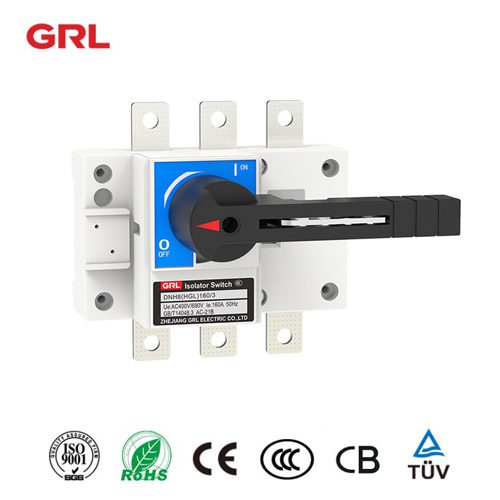
Load Break Disconnector: Essential Equipment for Electrical Safety

Load Break Disconnector: Essential Equipment for Electrical Safety

# Load Break Disconnector: Essential Equipment for Electrical Safety

## Understanding the Role of Load Break Disconnectors

Load break disconnectors play a crucial role in modern electrical systems, serving as vital components for both safety and operational efficiency. These specialized devices combine the functions of a switch and a circuit breaker, allowing for the safe interruption of electrical currents under load conditions.

## Key Features and Benefits

### 1. Enhanced Safety Measures

Load break disconnectors provide a visible break in the circuit, ensuring complete isolation during maintenance or repairs. This visual confirmation significantly reduces the risk of electrical accidents.

### 2. Reliable Load Switching

Unlike standard isolators, these devices can safely interrupt load currents, making them ideal for applications where frequent switching is required without the need to de-energize the entire system.

### 3. Compact Design

Modern load break disconnectors offer high performance in relatively compact packages, saving valuable space in electrical installations while maintaining robust protection capabilities.

## Common Applications

Load break disconnectors find extensive use in various electrical systems:

– Power distribution networks
– Industrial facilities
– Renewable energy installations
– Commercial buildings
– Utility substations

## Choosing the Right Load Break Disconnector

When selecting a load break disconnector, consider these critical factors:

– Voltage rating requirements
– Current carrying capacity
– Short-circuit withstand capability
– Environmental conditions
– Maintenance accessibility
– Compliance with industry standards

## Maintenance and Safety Considerations

Proper maintenance of load break disconnectors ensures long-term reliability:

– Regular visual inspections for signs of wear or damage
– Periodic cleaning of contacts
– Verification of mechanical operation
– Thermal imaging to detect hot spots
– Lubrication of moving parts as recommended by the manufacturer

## The Future of Load Break Technology

Advancements in materials and design continue to improve load break disconnectors, with trends including:

– Smart monitoring capabilities
– Reduced maintenance requirements
– Enhanced arc-quenching technologies
– Improved environmental resistance
– Integration with digital control systems

By understanding and properly utilizing load break disconnectors, electrical professionals can significantly enhance system safety and reliability while maintaining operational flexibility.

Multilingual Support in Modern Applications

Multilingual Support in Modern Applications

# Multilingual Support in Modern Applications

## The Importance of Multilingual Support

In today’s globalized digital landscape, multilingual support has become a crucial feature for any successful application. As businesses expand their reach across borders and cultures, the ability to communicate effectively with users in their native languages can make or break a product’s success.

Modern applications must cater to diverse audiences with varying language preferences. Studies show that users are significantly more likely to engage with content presented in their native language, leading to higher conversion rates and improved user satisfaction.

## Key Components of Effective Multilingual Support

### 1. Comprehensive Language Coverage

The foundation of good multilingual support begins with offering a wide selection of languages. While English remains the lingua franca of the internet, supporting regional languages can provide a competitive edge in local markets.

### 2. Cultural Adaptation

True multilingual support goes beyond simple translation. It involves:

– Localization of date and time formats
– Currency and measurement system adjustments
– Culturally appropriate imagery and symbols
– Context-aware translations

### 3. Seamless User Experience

Implementing multilingual features should not compromise the application’s performance or usability. Key considerations include:

– Language switching without page reloads
– Consistent UI across all language versions
– Proper text expansion/contraction handling
– Right-to-left language support

## Technical Implementation Approaches

Developers have several options when implementing multilingual support:

### Database-Driven Solutions

Storing translations in databases allows for dynamic content updates and easier maintenance. This approach works well for content-heavy applications.

### File-Based Localization

Using JSON, XML, or property files to store translations offers simplicity and performance benefits for smaller applications.

### Hybrid Approaches

Many modern applications combine both methods, using files for static UI elements and databases for dynamic content.

## Challenges in Multilingual Implementation

Despite its importance, implementing robust multilingual support presents several challenges:

– Maintaining translation quality across all languages
– Handling language-specific text rendering issues
– Managing updates across multiple language versions
– Testing across different language environments
– Addressing right-to-left language requirements

## Best Practices for Multilingual Applications

To ensure successful multilingual implementation, consider these best practices:

– Implement language detection based on user preferences
– Provide clear language selection options
– Use professional translation services for critical content
– Maintain a glossary of terms for consistency
– Regularly update translations to match application changes
– Test UI elements with different text lengths

## The Future of Multilingual Support

As technology advances, we’re seeing exciting developments in multilingual support:

– AI-powered real-time translation
– Context-aware language switching
– Voice interface localization
– Automated translation quality assessment
– Dynamic content adaptation based on regional preferences

These innovations promise to make multilingual support more seamless and effective than ever before.

## Conclusion

Multilingual support is no longer a luxury but a necessity for modern applications. By implementing comprehensive language options with proper cultural adaptation and seamless user experience, developers can create products that truly resonate with global audiences. As the digital world continues to shrink, the applications that prioritize multilingual support will be best positioned for international success.

Nickel Powder Niloy52: High-Performance Material for Advanced Applications

# Nickel Powder Niloy52: High-Performance Material for Advanced Applications

## Introduction to Niloy52 Nickel Powder

Nickel powder Niloy52 represents a significant advancement in metallic powder technology, offering exceptional properties for demanding industrial applications. This high-performance material has become increasingly important in sectors ranging from aerospace to electronics manufacturing.

## Key Characteristics of Niloy52 Nickel Powder

The unique properties of Niloy52 nickel powder make it stand out from conventional nickel powders:

– High purity levels (typically >99.8%)
– Controlled particle size distribution
– Excellent flow characteristics
– Superior thermal and electrical conductivity
– Enhanced corrosion resistance
– Consistent batch-to-batch quality

## Manufacturing Process

Niloy52 nickel powder is produced through a sophisticated atomization process that ensures precise control over particle morphology and size distribution. The production involves:

1. Melting high-purity nickel under controlled atmosphere
2. Atomizing the molten metal using inert gas
3. Classifying particles to achieve desired size ranges
4. Surface treatment for improved performance
5. Rigorous quality control testing

## Applications Across Industries

### Aerospace Components

Niloy52 nickel powder is extensively used in aerospace applications due to its high strength-to-weight ratio and resistance to extreme temperatures. It’s particularly valuable for:

– Turbine blade coatings
– High-temperature bearings
– Rocket engine components

### Electronics Manufacturing

The electronics industry benefits from Niloy52’s excellent electrical properties in:

– Conductive pastes and inks
– Multilayer ceramic capacitors
– EMI shielding materials
– Battery electrodes

### Additive Manufacturing

In 3D printing and other additive manufacturing processes, Niloy52 offers:

– Improved layer adhesion
– Reduced porosity
– Enhanced surface finish
– Better mechanical properties in final products

## Advantages Over Conventional Nickel Powders

Niloy52 provides several distinct advantages that justify its premium positioning:

– 15-20% higher density in pressed components
– Improved sintering characteristics
– Reduced oxygen content (<0.1%)
– Better compatibility with binder systems
– More consistent performance in thermal spray applications

## Quality Assurance and Standards

The production of Niloy52 nickel powder adheres to stringent quality standards:

– ISO 9001:2015 certified manufacturing
– Compliance with ASTM B330 for particle size distribution
– Meets MIL-STD-129 requirements for military applications
– Traceability through complete production documentation

## Future Developments

Research continues to expand the capabilities of Niloy52 nickel powder, with ongoing developments in:

– Nanostructured variants for enhanced properties
– Surface modification techniques
– Composite formulations with other advanced materials
– Improved recyclability and sustainability

## Conclusion

Nickel powder Niloy52 represents the cutting edge of metallic powder technology, offering unmatched performance for critical applications across multiple industries. Its consistent quality, superior properties, and versatility make it the material of choice for engineers and manufacturers pushing the boundaries of what’s possible with nickel-based materials.

Alloy K UNS K94610: Properties and Applications

# Alloy K UNS K94610: Properties and Applications

## Introduction to Alloy K UNS K94610

Alloy K, designated as UNS K94610, is a nickel-based superalloy known for its exceptional high-temperature strength and corrosion resistance. This alloy finds extensive use in demanding industrial applications where materials must withstand extreme conditions.

## Chemical Composition

The unique properties of Alloy K stem from its carefully balanced chemical composition:

– Nickel (Ni): Primary base element (approximately 70-80%)
– Chromium (Cr): 14-17% for oxidation resistance
– Iron (Fe): 6-10% for structural stability
– Molybdenum (Mo): 2-4% for strength enhancement
– Other elements: Small amounts of silicon, manganese, and carbon

## Key Properties of Alloy K

### High-Temperature Performance

Alloy K maintains excellent mechanical properties at elevated temperatures up to 1000°C (1832°F). Its creep resistance makes it particularly valuable for applications involving prolonged exposure to heat.

### Corrosion Resistance

The alloy demonstrates outstanding resistance to various corrosive environments, including:

– Oxidizing atmospheres
– Reducing conditions
– Carburizing environments
– Sulfur-containing gases

### Mechanical Properties

At room temperature, Alloy K typically exhibits:

– Tensile strength: 550-750 MPa
– Yield strength: 240-480 MPa
– Elongation: 30-50%

## Common Applications

### Industrial Heating Systems

Alloy K is widely used in components for industrial furnaces and heat treatment equipment due to its ability to withstand cyclic heating and cooling.

### Chemical Processing

The alloy serves in chemical processing equipment where resistance to corrosive media is essential, including:

– Reactor vessels
– Heat exchangers
– Piping systems

### Power Generation

In power plants, Alloy K finds application in:

– Gas turbine components
– Combustion chambers
– Exhaust systems

## Fabrication and Welding

Alloy K can be fabricated using standard techniques, though it requires special considerations:

– Hot working should be performed between 870-1200°C (1600-2200°F)
– Cold working requires intermediate annealing
– Welding can be accomplished using matching filler metals

## Comparison with Similar Alloys

While Alloy K shares some characteristics with other nickel-based superalloys, it offers distinct advantages in certain environments:

– Better carburization resistance than Alloy 800
– Superior thermal stability compared to 304 stainless steel
– More cost-effective than some cobalt-based superalloys

## Conclusion

Alloy K UNS K94610 remains a versatile material solution for high-temperature applications where conventional stainless steels would fail. Its combination of strength, corrosion resistance, and fabricability makes it a preferred choice across multiple industries.

Liuzhou Stinky Tofu Snack

Liuzhou Stinky Tofu Snack

# Liuzhou Stinky Tofu Snack: A Unique Culinary Experience

## The Legend of Luosifen Choubao

When it comes to unique Chinese snacks, few can rival the infamous Liuzhou stinky tofu. Known locally as “luosifen choubao,” this pungent delicacy has been captivating adventurous eaters for generations. The strong aroma might be off-putting at first, but for those who dare to try, it offers an unforgettable flavor experience.

## What Makes Liuzhou Stinky Tofu Special?

The preparation of authentic Liuzhou stinky tofu involves a meticulous fermentation process that can take several weeks. Local producers guard their recipes closely, using special brine solutions that contain a mix of fermented vegetables, herbs, and spices unique to the Liuzhou region of Guangxi.

The result is a snack with:

– A crispy golden exterior
– A soft, creamy interior
– Complex umami flavors
– That characteristic “fragrant” aroma

## How to Enjoy This Local Specialty

Street vendors throughout Liuzhou serve stinky tofu in various ways. The most popular preparation involves deep-frying the fermented tofu cubes until crispy, then serving them with:

– Spicy chili sauce
– Pickled vegetables
– Fresh cilantro
– Crushed peanuts

Many locals swear by eating it with a cold local beer to balance the strong flavors. The contrast between the hot, crispy tofu and the cold beverage creates a perfect harmony.

## Cultural Significance

Beyond being just a snack, luosifen choubao represents Liuzhou’s rich culinary heritage. The fermentation techniques used date back centuries, preserving traditional food preservation methods. During local festivals, you’ll often find stinky tofu stands surrounded by crowds of enthusiastic eaters.

For visitors to Liuzhou, trying stinky tofu is more than just eating – it’s participating in a cultural experience that connects you with the city’s history and people. Just remember: the smell is part of the charm!

Luosifen Stinky Tofu: A Taste of Liuzhou’s Culinary Heritage

Luosifen Stinky Tofu: A Taste of Liuzhou's Culinary Heritage

# Luosifen Stinky Tofu: A Taste of Liuzhou’s Culinary Heritage

## The Legendary Luosifen of Liuzhou

Nestled in the heart of Guangxi Zhuang Autonomous Region, Liuzhou has become synonymous with one of China’s most distinctive culinary creations – Luosifen. This iconic dish, featuring the notorious stinky tofu as its centerpiece, has transcended its humble origins to become a cultural phenomenon that attracts food enthusiasts from around the globe.

## What Makes Luosifen Special?

At first glance, Luosifen appears to be a simple rice noodle soup, but its complexity lies in the carefully balanced symphony of flavors:

– The pungent aroma of fermented bamboo shoots
– The distinctive funk of stinky tofu
– The rich, spicy broth simmered for hours
– The chewy texture of rice noodles
– An array of toppings including peanuts, pickled vegetables, and fresh herbs

## The Art of Stinky Tofu in Luosifen

The stinky tofu used in authentic Liuzhou Luosifen isn’t your average fermented bean curd. Local producers guard their fermentation techniques closely, with some recipes passed down through generations. The process typically involves:

1. Selecting high-quality soybeans
2. Creating a unique brine mixture
3. Controlling fermentation time and temperature
4. Achieving the perfect balance of funk without overwhelming bitterness

## Cultural Significance

Beyond its bold flavors, Luosifen represents Liuzhou’s cultural identity. What began as a working-class meal has evolved into:

– A point of local pride
– A driver of regional tourism
– A subject of culinary research
– An ambassador of Guangxi cuisine

## Where to Experience Authentic Luosifen

While instant versions have made Luosifen accessible worldwide, nothing compares to tasting it in its birthplace. Top spots in Liuzhou include:

– The bustling night markets along Wuma Road
– Family-run shops in the old town district
– Specialty restaurants preserving traditional methods

## The Future of Luosifen

As Chinese cuisine gains global recognition, Luosifen stands out as both challenging and rewarding for adventurous eaters. Its growing popularity has led to:

– Modern interpretations by innovative chefs
– Increased availability outside China
– New appreciation for fermented foods
– Cultural exchanges around traditional preservation techniques

Whether you’re a stinky tofu aficionado or a curious first-timer, Luosifen offers more than just a meal – it’s an unforgettable journey into Liuzhou’s rich culinary heritage that engages all senses and leaves a lasting impression.

Digital Transformation in Manufacturing: Trends and Innovations

Digital Transformation in Manufacturing: Trends and Innovations

# Digital Transformation in Manufacturing: Trends and Innovations

## Introduction

The manufacturing industry is undergoing a profound transformation driven by digital technologies. Digital Manufacturing is reshaping traditional production processes, enabling companies to achieve unprecedented levels of efficiency, flexibility, and innovation. This article explores the key trends and innovations that are defining the digital transformation in manufacturing today.

## The Rise of Digital Manufacturing

Digital Manufacturing refers to the integration of digital technologies into all aspects of the manufacturing process. This includes:

– Smart factories with interconnected systems
– Advanced data analytics for real-time decision making
– Digital twins for virtual simulation and testing
– Additive manufacturing (3D printing) for rapid prototyping

## Key Trends in Digital Manufacturing

### 1. Industrial Internet of Things (IIoT)

The IIoT is revolutionizing manufacturing by connecting machines, sensors, and devices to collect and analyze data. This enables:

– Predictive maintenance to reduce downtime
– Improved quality control through real-time monitoring
– Enhanced supply chain visibility

### 2. Artificial Intelligence and Machine Learning

AI and ML are transforming manufacturing operations by:

– Optimizing production schedules
– Detecting anomalies in real-time
– Improving product design through generative algorithms

### 3. Additive Manufacturing

3D printing is moving beyond prototyping to full-scale production, offering:

– Mass customization capabilities
– Reduced material waste
– Complex geometries impossible with traditional methods

## Innovations Driving Digital Transformation

### Digital Twins

Digital twins create virtual replicas of physical assets, allowing manufacturers to:

– Simulate and test processes before implementation
– Monitor equipment performance in real-time
– Predict maintenance needs and optimize operations

### Cloud Computing and Edge Computing

These technologies enable:

– Scalable data storage and processing
– Real-time analytics at the production line
– Distributed computing for faster decision-making

### Cybersecurity in Digital Manufacturing

As manufacturing becomes more connected, robust cybersecurity measures are essential to protect:

– Intellectual property
– Production systems
– Customer data

## The Future of Digital Manufacturing

The future of manufacturing will be characterized by:

– Fully autonomous smart factories
– Seamless human-machine collaboration
– Sustainable production through digital optimization
– Hyper-personalized products at scale

## Conclusion

Digital Transformation in manufacturing is not just about adopting new technologies – it’s about fundamentally rethinking how products are designed, produced, and delivered. Companies that embrace Digital Manufacturing today will be the industry leaders of tomorrow, capable of responding to changing market demands with unprecedented speed and efficiency.