A2ZWEBDESIGNSUSA

“` ¿Cuánto cuesta la cámara hiperbárica oficial de Macy’s Pan? “`


``` 
¿Cuánto cuesta la cámara hiperbárica oficial de Macy's Pan? 
```

,文章内容要符合SEO优化,包含关键词和长尾关键词,并确保文章内容流畅自然。

html

¿Cuánto cuesta la cámara hiperbárica oficial de Macy’s Pan?

Si estás buscando información sobre el precio de la cámara hiperbárica oficial de Macy’s Pan, has llegado al lugar correcto. En este artículo, exploraremos los costos asociados con este equipo médico y qué factores pueden influir en su precio.

¿Qué es la cámara hiperbárica de Macy’s Pan?

La cámara hiperbárica oficial de Macy’s Pan es un dispositivo diseñado para administrar oxigenoterapia hiperbárica (OHB). Este tratamiento utiliza oxígeno puro en un ambiente presurizado para acelerar la curación de heridas, tratar infecciones graves y mejorar ciertas condiciones médicas.

Precio de la cámara hiperbárica Macy’s Pan

El costo de la cámara hiperbárica Macy’s Pan puede variar significativamente dependiendo de varios factores:

  • Tamaño y capacidad (individual o múltiples pacientes)
  • Nivel de presión que puede alcanzar
  • Características adicionales y tecnología incorporada
  • Fabricante y garantía incluida

En general, el precio de una cámara hiperbárica Macy’s Pan puede oscilar entre $15,000 y $100,000 USD o más para modelos profesionales de alta gama.

Factores que afectan el costo

1. Tipo de cámara

Las cámaras monoplaza (para un solo paciente) suelen ser más económicas que las multiplaza. La cámara hiperbárica oficial de Macy’s Pan individual puede costar entre $15,000 y $50,000 USD.

2. Nivel de presión

Las cámaras que alcanzan mayores presiones (generalmente medidas en ATA) suelen tener precios más elevados debido a los requisitos de seguridad y materiales especializados.

3. Accesorios y tecnología

Sistemas de monitoreo avanzado, controles computarizados y materiales premium pueden incrementar considerablemente el precio final.

¿Vale la pena la inversión?

Antes de decidir comprar una cámara hiperbárica Macy’s Pan, considera:

  • Frecuencia de uso prevista
  • Condiciones médicas a tratar
  • Alternativas como centros de terapia hiperbárica
  • Posibilidad de alquiler en lugar de compra

Dónde comprar la cámara hiperbárica oficial

Para adquirir la cámara hiperbárica oficial de Macy’s Pan, recomendamos:

  1. Contactar directamente al fabricante o distribuidores autorizados
  2. Comparar precios y especificaciones entre diferentes modelos
  3. Verificar certificaciones y estándares de seguridad
  4. Consultar con un especialista

The Hierarchical Structure of Estaquiosa

# The Hierarchical Structure of Estaquiosa

## Understanding Estaquiosa’s Organizational Framework

The estaquiosa structure represents a unique hierarchical model that has gained attention in various fields, from biology to organizational theory. This multi-layered framework offers distinct advantages in terms of scalability, information flow, and specialization.

## Core Components of the Estaquiosa Hierarchy

At its foundation, the estaquiosa structure consists of several key elements:

– Primary nodes that serve as the foundation
– Secondary branches that extend functionality
– Tertiary connections that enable cross-communication
– Quaternary links that provide stability

## Advantages of Estaquiosa’s Layered Approach

This hierarchical model offers numerous benefits for complex systems:

Improved efficiency through specialized layers that handle specific functions without overburdening other components. The separation of concerns allows each level to optimize its performance while maintaining clear communication channels with adjacent layers.

## Applications Across Disciplines

Biological Systems

In nature, we observe estaquiosa-like structures in neural networks and vascular systems, where hierarchical organization enables efficient resource distribution and information processing.

Corporate Structures

Modern organizations frequently adopt variations of the estaquiosa model to balance centralized control with departmental autonomy. This approach helps maintain coherence while allowing specialized units to flourish.

## Challenges in Implementation

While powerful, the estaquiosa structure presents certain difficulties:

Maintaining clear communication between layers requires robust protocols. Additionally, the system must prevent information silos from developing while still preserving the benefits of compartmentalization.

## Future Developments

Researchers continue to explore enhancements to the estaquiosa framework, particularly in digital applications where machine learning algorithms can optimize connections between hierarchical levels. These advancements promise to make the structure even more adaptable to complex, dynamic environments.

The Hierarchical Structure of Estaquiosa

html

The Hierarchical Structure of Estaquiosa

Estaquiosa is a complex carbohydrate that exhibits a unique hierarchical structure, which plays a crucial role in its biological functions and applications. Understanding this structure is essential for researchers and scientists working in fields such as biochemistry, nutrition, and pharmaceuticals.

The Molecular Foundation

At its core, estaquiosa is composed of multiple sugar units arranged in a specific pattern. The primary structure consists of:

  • Glucose molecules
  • Fructose components
  • Galactose residues

These units form the building blocks that give estaquiosa its fundamental properties and characteristics.

Secondary and Tertiary Organization

Beyond the simple molecular arrangement, estaquiosa displays higher levels of structural complexity:

Secondary Structure

The way these sugar units interact and bond with each other creates stable configurations that influence solubility and reactivity.

Tertiary Structure

Three-dimensional folding patterns emerge from these interactions, giving estaquiosa its functional shape and determining how it interacts with other molecules.

Functional Implications

The hierarchical structure of estaquiosa directly impacts its:

  • Digestibility in human systems
  • Role as a prebiotic substance
  • Potential therapeutic applications
  • Stability under various environmental conditions

Researchers continue to explore how modifications to this structure could enhance or alter these properties for specific applications.

Comparative Analysis

When compared to similar carbohydrates, estaquiosa’s structure offers distinct advantages:

Feature Estaquiosa Other Oligosaccharides
Branching Complexity High Variable
Structural Stability Excellent Moderate
Biological Availability Selective Often broad

This structural uniqueness makes estaquiosa particularly valuable for specialized applications where precise molecular interactions are required.

Load Break Isolator: Essential Equipment for Electrical Safety

Load Break Isolator: Essential Equipment for Electrical Safety

# Load Break Isolator: Essential Equipment for Electrical Safety

## Introduction to Load Break Isolator

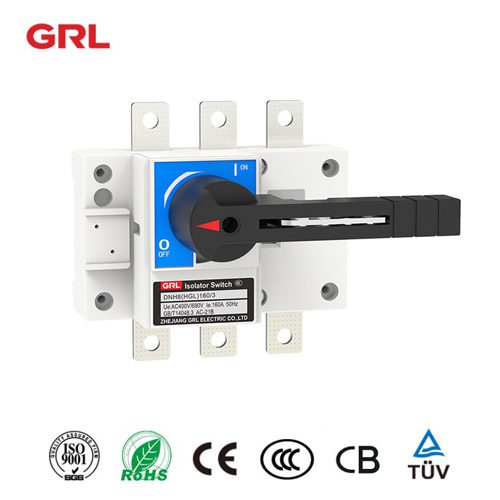
A Load Break Isolator is a crucial component in electrical systems, designed to ensure safety during maintenance and repair operations. This device combines the functions of a switch and an isolator, allowing operators to safely disconnect electrical circuits under load conditions.

## How Load Break Isolators Work

The primary purpose of a Load Break Isolator is to provide a visible break in the circuit while being capable of interrupting load currents. Unlike standard isolators that can only operate when the circuit is de-energized, load break isolators can safely disconnect circuits carrying normal operating currents.

These devices typically feature:

  • Visible contact separation for verification of circuit isolation
  • Arc quenching mechanisms to safely interrupt current
  • Robust construction to withstand electrical stresses
  • Clear indication of open/closed status

## Key Applications of Load Break Isolators

Power Distribution Systems

Load break isolators are extensively used in medium voltage distribution networks, allowing safe isolation of transformers, capacitor banks, and feeder circuits.

Industrial Installations

Manufacturing facilities utilize these devices to isolate sections of their electrical systems for maintenance without requiring complete shutdowns.

Renewable Energy Systems

Solar and wind power installations employ load break isolators to safely disconnect generation equipment from the grid.

## Advantages of Using Load Break Isolators

The implementation of load break isolators offers several significant benefits:

  • Enhanced Safety: Provides a safe means to isolate circuits without exposing personnel to live parts
  • Operational Efficiency: Enables maintenance without complete system shutdowns
  • Reliability: Designed for frequent operation with minimal maintenance requirements
  • Cost-Effectiveness: Reduces downtime and associated production losses

## Selection Criteria for Load Break Isolators

Voltage Rating

The isolator must be rated for the system’s maximum operating voltage with appropriate safety margins.

Current Capacity

Selection should consider both normal load currents and potential short-circuit conditions.

Environmental Conditions

Factors like temperature, humidity, and pollution levels affect the choice of materials and insulation.

Mechanical Endurance

The device should withstand the specified number of operations without performance degradation.

## Maintenance and Safety Considerations

Proper maintenance of load break isolators is essential for continued safe operation:

  • Regular inspection of contacts for wear or damage
  • Verification of proper mechanical operation
  • Cleaning of insulating surfaces
  • Periodic lubrication of moving parts
  • Thermal imaging to detect hot spots

Always follow manufacturer recommendations and industry standards when performing maintenance on load break isolators.

## Conclusion

Load break isolators play a vital role in modern electrical systems, providing a safe and reliable means to isolate circuits under load. Their proper selection, installation, and maintenance are essential for ensuring electrical safety and system reliability. As electrical systems continue to evolve, load break isolators remain a fundamental component in protecting both equipment and personnel.

High Temperature Alloy Powder for Advanced Industrial Applications

# High Temperature Alloy Powder for Advanced Industrial Applications

## Introduction

High temperature alloy powders are specialized materials designed to withstand extreme thermal and mechanical stresses in demanding industrial environments. These advanced powders play a crucial role in modern manufacturing processes, particularly in industries where components must maintain their structural integrity at elevated temperatures.

## Composition and Characteristics

High temperature alloy powders typically consist of nickel, cobalt, or iron-based superalloys with carefully balanced additions of chromium, aluminum, titanium, and other refractory elements. The precise composition varies depending on the intended application, but all share common characteristics:

– Exceptional high-temperature strength
– Oxidation and corrosion resistance
– Thermal fatigue resistance
– Creep resistance
– Good mechanical properties at elevated temperatures

## Manufacturing Processes

The production of high temperature alloy powders involves several sophisticated techniques:

### Gas Atomization

This method uses high-pressure inert gas to break up molten metal into fine droplets that solidify into spherical powder particles. Gas atomization produces powders with excellent flow characteristics and uniform composition.

### Plasma Rotating Electrode Process (PREP)

PREP creates highly spherical powders by rotating an electrode made of the alloy material while melting its tip with a plasma arc. The centrifugal force throws off molten droplets that solidify into powder particles.

### Water Atomization

While less common for high-performance alloys, water atomization can produce irregular-shaped powders at lower costs for certain applications.

## Key Applications

High temperature alloy powders find use in numerous advanced industrial sectors:

### Aerospace Industry

These powders are essential for manufacturing turbine blades, combustor components, and other critical parts in jet engines that must withstand temperatures exceeding 1000°C.

### Power Generation

Gas turbines and other power generation equipment rely on high temperature alloy powders for components exposed to extreme heat and stress during operation.

### Automotive Sector

High-performance engines, turbochargers, and exhaust systems increasingly incorporate parts made from these advanced powders.

### Oil and Gas Industry

Drilling equipment and components for deep well applications benefit from the corrosion resistance and high-temperature strength of these materials.

## Advantages Over Conventional Materials

High temperature alloy powders offer several benefits compared to traditional manufacturing materials:

– Enables production of complex geometries through additive manufacturing
– Provides superior material properties due to fine microstructure
– Reduces material waste compared to subtractive manufacturing
– Allows for precise control of composition and properties
– Facilitates production of gradient materials and custom alloys

## Future Developments

Research continues to expand the capabilities of high temperature alloy powders:

– Development of new alloy compositions for even higher temperature applications
– Improved powder production methods for better consistency and lower costs
– Enhanced post-processing techniques to optimize material properties
– Integration with advanced manufacturing technologies like 3D printing
– Exploration of nanostructured powders for superior performance

## Conclusion

High temperature alloy powders represent a critical material solution for industries pushing the boundaries of thermal and mechanical performance. As manufacturing technologies advance and application requirements become more demanding, these specialized powders will continue to play an essential role in enabling innovative engineering solutions for extreme environments.

Dextrin Syrup: Properties and Applications in Food Industry

# Dextrin Syrup: Properties and Applications in Food Industry

## Introduction to Dextrin Syrup

Dextrin syrup is a versatile carbohydrate product derived from starch through partial hydrolysis. This viscous, sweet-tasting liquid has gained significant importance in the food industry due to its unique functional properties and wide range of applications.

## Chemical Properties of Dextrin Syrup

Dextrin syrup consists of a mixture of glucose, maltose, and higher molecular weight carbohydrates. The exact composition depends on the degree of hydrolysis during production. Key properties include:

– Water solubility
– Moderate sweetness (typically 20-50% of sucrose)
– Low viscosity compared to unmodified starch
– High stability under various processing conditions
– Non-crystallizing nature

## Production Process

The manufacturing of dextrin syrup involves several steps:

1. Starch slurry preparation
2. Liquefaction with enzymes or acid
3. Saccharification to achieve desired DE (Dextrose Equivalent)
4. Filtration and purification
5. Concentration to final solids content

## Functional Benefits in Food Applications

Dextrin syrup offers numerous advantages in food formulations:

Texture Modification

It acts as a bodying agent and contributes to mouthfeel in various products without excessive sweetness.

Humectant Properties

The syrup helps retain moisture in baked goods and confectionery, extending shelf life.

Freeze-Thaw Stability

Dextrin syrup improves the stability of frozen products by controlling ice crystal formation.

Browning Reaction Enhancement

It participates in Maillard reactions, contributing to desirable color and flavor development.

## Major Applications in Food Industry

### Confectionery Products

Keyword: dextrin syrup

Dextrin syrup is widely used in:
– Chewing gum
– Gummies and jelly candies
– Hard candies
– Toffees and caramels

### Bakery Applications

In baked goods, it serves as:
– Dough conditioner
– Crust softener
– Shelf-life extender
– Browning agent

### Beverage Industry

The syrup finds use in:
– Sports and energy drinks
– Flavored milk beverages
– Instant drink mixes

### Dairy Products

Applications include:
– Ice cream and frozen desserts
– Yogurt and cultured products
– Flavored milk preparations

## Nutritional Considerations

While dextrin syrup provides energy (4 kcal/g), it has a lower glycemic index compared to some other sweeteners. Its moderate sweetness allows for reduced sugar formulations while maintaining product quality.

## Future Trends

The food industry continues to explore new applications for dextrin syrup, particularly in:
– Reduced-sugar formulations
– Clean-label products
– Functional foods
– Plant-based alternatives

As consumer demand for versatile, functional ingredients grows, dextrin syrup is expected to maintain its important position in food manufacturing.

Luna All In One Solar Street Light: Efficient and Eco-Friendly Lighting Solution

# Luna All In One Solar Street Light: Efficient and Eco-Friendly Lighting Solution

## Introduction to Solar-Powered Street Lighting

In today’s world where sustainability meets innovation, solar-powered street lights have emerged as a game-changer in urban and rural lighting solutions. Among these, the Luna All In One Solar Street Light stands out as a remarkable combination of efficiency, durability, and environmental friendliness.

## Key Features of Luna All In One Solar Street Light

### High-Efficiency Solar Panel

The Luna solar street light features a high-efficiency monocrystalline solar panel that captures maximum sunlight during the day. With an impressive conversion rate of up to 22%, this panel ensures optimal energy collection even in less sunny conditions.

### Advanced Lithium Battery Technology

Equipped with a premium lithium-ion battery, the Luna light offers:

– Long lifespan (5-7 years)
– Deep cycle capability
– Excellent temperature resistance
– Fast charging performance

### Intelligent Lighting Control

The built-in smart controller provides:

– Automatic dusk-to-dawn operation
– Motion sensor capability (optional)
– Multiple lighting modes
– Overcharge and over-discharge protection

## Benefits of Choosing Luna Solar Street Light

### Energy and Cost Savings

By harnessing free solar energy, the Luna light eliminates electricity bills completely. The initial investment pays for itself within 2-3 years through energy savings alone.

### Environmentally Friendly Solution

This lighting solution produces zero carbon emissions and helps reduce your carbon footprint significantly compared to traditional street lights.

### Easy Installation and Maintenance

The all-in-one design means:

– No underground wiring required
– Simple pole mounting
– Minimal maintenance needs
– Weather-resistant construction

## Technical Specifications

Parameter | Specification
Solar Panel | 30W Monocrystalline
Battery | 12.8V/20Ah Lithium
LED Power | 30W (equivalent to 150W traditional)
Luminous Flux | 3000-4500 Lumens
Lighting Time | 12 hours (3 nights backup)
IP Rating | IP65 Waterproof
Operating Temperature | -20°C to 60°C

## Applications

The Luna All In One Solar Street Light is perfect for:

– Residential streets and pathways
– Parking lots and garages
– Parks and recreational areas
– Rural and remote area lighting
– Campus and institutional lighting
– Commercial and industrial premises

## Why Luna Stands Out From Competitors

Unlike conventional solar street lights, the Luna model integrates all components (solar panel, battery, LED, and controller) into one compact unit. This innovative design offers:

– Better heat dissipation
– Reduced risk of theft
– More aesthetic appearance
– Improved overall efficiency

## Conclusion

The Luna All In One Solar Street Light represents the future of outdoor lighting – a perfect blend of sustainability, technology, and practicality. Whether you’re looking to reduce energy costs, minimize environmental impact, or simply need reliable outdoor lighting, this solution delivers on all fronts. Make the smart switch to solar today and illuminate your spaces the eco-friendly way with Luna.

NIMONIC Alloy 263 UNS N07263: Properties and Applications

# NIMONIC Alloy 263 UNS N07263: Properties and Applications

## Introduction to NIMONIC Alloy 263

NIMONIC Alloy 263 (UNS N07263) is a nickel-chromium-cobalt superalloy known for its excellent high-temperature strength and oxidation resistance. Developed by Rolls-Royce in the 1960s, this alloy has become a preferred material for demanding aerospace and industrial applications.

## Chemical Composition

The chemical composition of NIMONIC Alloy 263 plays a crucial role in its performance characteristics:

– Nickel (Ni): 50-55%

– Chromium (Cr): 19-21%
– Cobalt (Co): 19-21%
– Molybdenum (Mo): 5.6-6.1%
– Titanium (Ti): 1.9-2.4%
– Aluminum (Al): 0.3-0.6%
– Carbon (C): ≤0.08%
– Boron (B): ≤0.005%
– Iron (Fe): ≤0.7%

## Mechanical Properties

NIMONIC Alloy 263 exhibits impressive mechanical properties across a wide temperature range:

– Tensile Strength: 950-1200 MPa at room temperature
– Yield Strength: 550-850 MPa at room temperature
– Elongation: 20-30% at room temperature
– Creep Resistance: Excellent performance up to 850°C (1562°F)
– Fatigue Resistance: Superior high-cycle fatigue properties

## Physical Properties

The physical characteristics of this alloy include:

– Density: 8.36 g/cm³
– Melting Range: 1290-1350°C (2354-2462°F)
– Thermal Conductivity: 11.2 W/m·K at 20°C
– Electrical Resistivity: 1.18 μΩ·m at 20°C
– Coefficient of Thermal Expansion: 13.5 μm/m·K (20-100°C)

## Heat Treatment

Proper heat treatment is essential for optimizing the properties of NIMONIC Alloy 263:

– Solution Treatment: 1150°C (2102°F) for 2 hours, followed by air cooling
– Aging Treatment: 800°C (1472°F) for 8 hours, followed by air cooling
– Stress Relieving: 700-750°C (1292-1382°F) for 4 hours

## Key Advantages

NIMONIC Alloy 263 offers several significant advantages:

– Exceptional high-temperature strength
– Outstanding oxidation resistance up to 1000°C (1832°F)
– Good resistance to thermal fatigue
– Excellent fabricability and weldability
– Superior creep-rupture properties
– Good corrosion resistance in various environments

## Applications

Due to its unique combination of properties, NIMONIC Alloy 263 finds applications in several demanding industries:

### Aerospace Industry

– Gas turbine engine components
– Combustion chambers
– Afterburner components
– Exhaust systems
– Turbine casings

### Power Generation

– Gas turbine components
– Heat exchangers
– High-temperature fasteners
– Steam turbine parts

### Industrial Applications

– Chemical processing equipment
– Heat treatment fixtures
– Nuclear reactor components
– High-temperature springs

## Fabrication and Machining

Working with NIMONIC Alloy 263 requires special considerations:

– Machining: Requires rigid setups, sharp tools, and proper cooling
– Welding: Can be welded using TIG, MIG, and resistance welding methods
– Forming: Hot forming is preferred above 1000°C (1832°F)
– Forging: Performed in the temperature range of 1050-1150°C (1922-

On-Time Delivery: Ensuring Efficiency and Reliability in Logistics

On-Time Delivery: Ensuring Efficiency and Reliability in Logistics

# On-Time Delivery: Ensuring Efficiency and Reliability in Logistics

## The Importance of On-Time Delivery in Modern Logistics

On-time delivery has become a critical factor in today’s fast-paced business environment. Companies across industries rely on efficient logistics to maintain customer satisfaction, optimize operations, and stay competitive. When shipments arrive as promised, businesses can maintain production schedules, retailers can keep shelves stocked, and end consumers receive their orders when expected.

## Key Factors Affecting Delivery Timeliness

Keyword: On-Time Delivery

Several elements contribute to successful on-time delivery:

– Route optimization: Smart planning of delivery routes minimizes transit time
– Inventory management: Proper stock levels at strategic locations
– Transportation mode selection: Choosing the right mix of air, sea, rail, and road transport
– Real-time tracking: Monitoring shipments throughout the journey
– Contingency planning: Preparing for unexpected delays

## Technology’s Role in Improving Delivery Performance

Modern logistics heavily depends on technological solutions to enhance on-time delivery rates:

Advanced tracking systems using GPS and IoT sensors provide real-time visibility into shipment locations and conditions. Predictive analytics help forecast potential delays before they occur, allowing for proactive adjustments. Automated warehouse systems speed up order processing, while AI-powered route optimization algorithms constantly adjust delivery paths based on traffic, weather, and other variables.

## The Business Impact of Reliable Deliveries

Consistent on-time delivery creates significant advantages:

Customer Satisfaction

Meeting delivery expectations builds trust and loyalty, leading to repeat business and positive reviews.

Operational Efficiency

Predictable logistics enable better workforce planning and resource allocation throughout the supply chain.

Cost Reduction

Fewer delays mean less expedited shipping costs and reduced inventory carrying expenses.

## Best Practices for Ensuring On-Time Deliveries

To maintain high on-time delivery performance, companies should:

– Establish clear service level agreements with carriers
– Implement robust quality control at all handling points
– Maintain open communication channels with all stakeholders
– Regularly analyze performance data to identify improvement areas
– Invest in staff training for logistics personnel

## The Future of On-Time Delivery

As consumer expectations continue to rise, the logistics industry must innovate to maintain and improve delivery reliability. Emerging technologies like autonomous vehicles, drone deliveries, and blockchain-based tracking systems promise to further enhance the precision and predictability of shipments. Companies that prioritize on-time delivery as a core competency will be better positioned to thrive in the evolving marketplace.

Luosifen Extra Flavor Delicacy

Luosifen Extra Flavor Delicacy

# Luosifen Extra Flavor Delicacy

## The Irresistible Allure of Luosifen

Luosifen, a traditional Chinese noodle dish originating from Liuzhou, Guangxi, has taken the culinary world by storm with its unique and bold flavors. The “extra flavor” version of this dish elevates the experience to new heights, offering an intensified taste sensation that keeps food lovers coming back for more.

## What Makes Luosifen Extra Flavor Special?

The magic of Luosifen Extra Flavor lies in its carefully balanced combination of ingredients:

– Fermented bamboo shoots that provide a distinctive tangy note
– Spicy chili oil that adds a fiery kick
– Rich bone broth simmered for hours to develop deep umami flavors
– Special rice noodles with the perfect chewy texture
– An assortment of toppings including peanuts, tofu skin, and pickled vegetables

## The Art of Preparation

Creating authentic Luosifen Extra Flavor requires patience and skill. The broth alone takes at least 8 hours to prepare, with pork bones and special spices slowly releasing their flavors. The fermentation process for the bamboo shoots can take weeks, developing that signature funky aroma that luosifen lovers crave.

## A Sensory Experience Like No Other

Eating Luosifen Extra Flavor is more than just a meal – it’s a full sensory experience:

– The pungent aroma hits you first, both challenging and enticing your senses
– The first sip of broth delivers an explosion of spicy, sour, and savory notes
– The texture contrast between the soft noodles and crunchy toppings creates perfect mouthfeel
– The lingering aftertaste keeps you thinking about your next bowl

## Where to Find the Best Luosifen Extra Flavor

While Liuzhou remains the mecca for authentic Luosifen, many specialty restaurants across China now offer their own versions of the Extra Flavor variety. Some notable places include:

– Old Street Luosifen in Liuzhou (the original)
– Spice Kingdom in Beijing
– Southern Flavors in Shanghai
– Dragon Noodle House in Guangzhou

For those who want to try making it at home, premium instant versions are now available from several reputable brands, though purists argue nothing beats the freshly made version.

## The Cultural Significance

Luosifen Extra Flavor represents more than just food – it’s a cultural icon that showcases Guangxi’s rich culinary heritage. What began as a humble street food has evolved into a nationally recognized delicacy, with food enthusiasts making pilgrimages to taste the authentic version in its birthplace.

The dish’s popularity has even spawned festivals and cooking competitions, where chefs showcase their unique interpretations while staying true to the essential flavors that make Luosifen so special.

## Final Thoughts

Luosifen Extra Flavor isn’t for the faint of heart, but for adventurous eaters seeking bold, complex flavors, it offers an unforgettable dining experience. Whether you’re a first-time taker or a seasoned luosifen lover, the extra flavor version promises to take your taste buds on an exciting journey through the vibrant flavors of Southern China.