
A2ZWEBDESIGNSUSA

G-Protein Research Chemicals for Purchase

# G-Protein Research Chemicals for Purchase

## Understanding G-Protein Research Chemicals

G-protein research chemicals are specialized compounds used in scientific studies to investigate the complex signaling pathways involving G-protein coupled receptors (GPCRs). These receptors play a crucial role in cellular communication and are involved in numerous physiological processes.

Researchers utilize these chemicals to better understand:
– Signal transduction mechanisms
– Drug-receptor interactions
– Cellular response pathways
– Potential therapeutic applications

## Available G-Protein Research Compounds

Our inventory includes a variety of high-purity G-protein research chemicals suitable for laboratory use:

### Selective Agonists
Compounds that specifically activate particular GPCR subtypes for targeted research

### Potent Antagonists
High-quality inhibitors used to block GPCR signaling in controlled experiments

### Allosteric Modulators
Specialized chemicals that alter receptor activity without binding to the primary site

## Research Applications

These compounds serve important functions in multiple research areas:

Neuroscience studies examining neurotransmitter systems and brain function

Pharmacological research for drug development and testing

Cell biology investigations of intracellular signaling cascades

Molecular biology experiments exploring protein-protein interactions

## Quality Assurance

All our G-protein research chemicals undergo:
– Rigorous purity testing (≥98% purity)
– Comprehensive analytical verification
– Proper storage and handling protocols
– Batch-specific documentation

## Ordering Information

For researchers looking to buy G-protein research chemicals, we offer:

Convenient Online Ordering

Secure platform with detailed product specifications

Global Shipping

Discreet packaging with temperature control when required

Technical Support

Access to product documentation and expert consultation

## Important Notice

These compounds are sold strictly for research purposes only. They are not intended for human or veterinary use. By purchasing these research chemicals, buyers confirm they are qualified researchers working in appropriate laboratory settings with proper safety protocols in place.

G-Protein Research Chemicals for Purchase

# G-Protein Research Chemicals for Purchase

## Understanding G-Protein Research Chemicals

G-protein research chemicals play a crucial role in modern biochemical and pharmacological studies. These specialized compounds are designed to interact with G-protein coupled receptors (GPCRs), which represent one of the largest and most important families of membrane proteins in the human body.

Researchers utilize these chemicals to investigate various cellular signaling pathways, receptor activation mechanisms, and potential therapeutic applications. The ability to buy G-protein research chemicals has significantly advanced our understanding of numerous physiological processes and disease mechanisms.

## Applications in Scientific Research

Scientists employ G-protein research chemicals in multiple areas:

– Drug discovery and development
– Neurological studies
– Cardiovascular research
– Cancer biology investigations
– Metabolic disorder research

These compounds allow researchers to manipulate and study GPCR signaling with precision, providing valuable insights into cellular communication and potential therapeutic targets.

## Quality Considerations When Purchasing

When looking to buy G-protein research chemicals, several factors should be considered:

– Purity levels (typically ≥98% for research purposes)
– Proper storage and handling requirements
– Supplier reputation and reliability

– Analytical data availability (HPLC, NMR, MS)
– Compliance with research regulations

Reputable suppliers provide comprehensive documentation and certificates of analysis to ensure researchers receive high-quality materials for their experiments.

## Available G-Protein Research Compounds

The market offers various G-protein research chemicals, including:

– G-protein activators
– G-protein inhibitors
– Selective receptor modulators
– Fluorescent-labeled compounds
– Radioligands for binding studies

Each type serves specific research purposes, from basic mechanism studies to high-throughput screening applications.

## Purchasing Guidelines

Researchers should follow these guidelines when looking to buy G-protein research chemicals:

1. Verify the supplier’s credentials and customer reviews
2. Check for proper licensing and compliance with regulations
3. Review shipping and handling procedures
4. Confirm appropriate storage conditions
5. Ensure availability of technical support

Proper due diligence helps maintain research integrity and experimental reproducibility.

## Future Perspectives

The field of G-protein research continues to evolve, with new compounds being developed to target specific receptor subtypes and signaling pathways. As our understanding of GPCR signaling grows, the demand for specialized research chemicals will likely increase, driving further innovation in this important area of biochemical research.

G-Protein Research Chemicals for Purchase

# G-Protein Research Chemicals for Purchase

## Understanding G-Protein Research Chemicals

G-protein research chemicals play a crucial role in modern biochemical and pharmacological studies. These specialized compounds interact with G-protein coupled receptors (GPCRs), which represent one of the largest and most important families of membrane proteins in the human body.

Researchers utilize these chemicals to investigate various cellular signaling pathways, receptor activation mechanisms, and potential therapeutic applications. The ability to buy G-protein research chemicals has significantly advanced our understanding of numerous physiological processes.

## Applications in Scientific Research

The purchase of G-protein research chemicals enables scientists to:

– Study signal transduction mechanisms
– Investigate drug-receptor interactions
– Develop new therapeutic approaches
– Understand disease mechanisms at the molecular level
– Explore novel pharmacological targets

These chemicals serve as invaluable tools for both academic and pharmaceutical research, particularly in neuroscience, cardiology, and endocrinology studies.

## Quality Considerations When Purchasing

When looking to buy G-protein research chemicals, researchers must prioritize:

– Purity levels (typically ≥98% for research purposes)
– Proper storage conditions
– Reliable sourcing from reputable suppliers
– Appropriate documentation and certificates of analysis
– Compliance with research institution guidelines

High-quality research chemicals ensure reproducible results and maintain experimental integrity.

## Available G-Protein Research Compounds

The market offers various G-protein research chemicals, including:

– G-protein activators and inhibitors
– Selective receptor modulators
– Fluorescent-labeled compounds for visualization studies
– Radioligands for binding assays
– Allosteric modulators

Each type serves specific research purposes, and selection should align with experimental objectives.

## Legal and Ethical Considerations

Researchers must ensure that any purchase of G-protein research chemicals complies with:

– Local and international regulations
– Institutional review board requirements
– Ethical guidelines for chemical research
– Proper disposal protocols
– Safety standards for handling

Responsible procurement and use of these chemicals are essential for maintaining research integrity and safety.

## Future Directions in G-Protein Research

The availability of G-protein research chemicals continues to drive innovation in:

– Personalized medicine approaches
– Targeted drug development
– Understanding complex disease pathways
– Novel diagnostic methods
– Advanced therapeutic interventions

As research progresses, the demand for specialized G-protein compounds will likely increase, further expanding scientific possibilities.

GPCR Inhibitors Suppliers for Research and Drug Development

# GPCR Inhibitors Suppliers for Research and Drug Development

## Introduction to GPCR Inhibitors

G protein-coupled receptors (GPCRs) are the largest family of membrane proteins in the human genome and play crucial roles in various physiological processes. GPCR inhibitors are valuable tools for studying these receptors and developing new therapeutic agents. Researchers and pharmaceutical companies rely on high-quality GPCR inhibitors from reputable suppliers to advance their work in drug discovery and basic research.

## Key Applications of GPCR Inhibitors

GPCR inhibitors serve multiple purposes in scientific research and pharmaceutical development:

– Target validation studies
– Mechanism of action investigations
– Drug screening assays
– Structure-activity relationship studies
– Pharmacological profiling

## Selecting a GPCR Inhibitors Supplier

When choosing a supplier for GPCR inhibitors, consider these important factors:

### Quality and Purity

Reputable suppliers provide comprehensive analytical data, including HPLC traces and mass spectrometry results, to verify the purity and identity of their compounds.

### Product Range

Leading suppliers offer extensive collections of GPCR inhibitors targeting various receptor subtypes, including:

– Adrenergic receptors
– Dopamine receptors
– Serotonin receptors
– Opioid receptors
– Cannabinoid receptors

### Technical Support

Top suppliers provide detailed product information, including:

– IC50 values
– Selectivity profiles
– Solubility data
– Storage conditions

## Leading GPCR Inhibitors Suppliers

Several companies specialize in providing high-quality GPCR inhibitors for research and drug development:

### 1. Major Chemical Suppliers

Large chemical companies offer broad collections of GPCR modulators with reliable quality control.

### 2. Specialty Providers

Niche suppliers focus specifically on GPCR-targeted compounds, often providing more specialized products and expertise.

### 3. Custom Synthesis Services

Some suppliers offer custom synthesis of GPCR inhibitors tailored to specific research needs.

## Considerations for Bulk Purchases

For drug development programs requiring larger quantities of GPCR inhibitors, consider:

– Scalability of synthesis
– Regulatory documentation
– Intellectual property considerations
– Cost-effectiveness at scale

## Future Trends in GPCR Inhibitor Supply

The GPCR inhibitor market continues to evolve with:

– Development of more selective compounds
– Advances in allosteric modulator chemistry
– Improved formulation technologies
– Expansion of targeted delivery systems

By partnering with the right GPCR inhibitors supplier, researchers can accelerate their projects from basic science to clinical development, ultimately contributing to new therapeutic options for various diseases.

GPCR Inhibitors Supplier: High-Quality Compounds for Research and Drug Discovery

# GPCR Inhibitors Supplier: High-Quality Compounds for Research and Drug Discovery

## Introduction to GPCR Inhibitors

G protein-coupled receptors (GPCRs) represent one of the largest and most important families of membrane proteins in the human genome. These receptors play crucial roles in various physiological processes, making them prime targets for drug discovery. GPCR inhibitors are specialized compounds designed to block or modulate the activity of these receptors, offering valuable tools for both basic research and therapeutic development.

## The Importance of High-Quality GPCR Inhibitors

When sourcing GPCR inhibitors for your research or drug discovery projects, quality should be your top priority. High-quality compounds ensure:

– Reliable and reproducible experimental results
– Accurate structure-activity relationship studies
– Consistent performance in screening assays
– Reduced risk of off-target effects

## Our Comprehensive GPCR Inhibitor Portfolio

As a leading GPCR inhibitors supplier, we offer an extensive collection of compounds targeting various receptor subtypes, including:

### Class A (Rhodopsin-like) GPCR Inhibitors

Our portfolio includes selective antagonists for adrenergic, dopamine, serotonin, and opioid receptors, among others.

### Class B (Secretin-like) GPCR Inhibitors

We provide high-quality compounds targeting receptors such as glucagon, VIP, and PACAP receptors.

### Class C (Glutamate-like) GPCR Inhibitors

Our selection includes inhibitors for metabotropic glutamate receptors and calcium-sensing receptors.

## Quality Assurance and Technical Support

We understand the critical nature of your research, which is why we implement rigorous quality control measures:

– ≥98% purity for all compounds
– Comprehensive analytical characterization (HPLC, MS, NMR)
– Batch-to-batch consistency
– Detailed certificates of analysis

Our team of scientific experts is available to provide technical support, helping you select the most appropriate inhibitors for your specific research needs.

## Applications of GPCR Inhibitors

GPCR inhibitors serve numerous applications in biomedical research:

– Target validation studies
– High-throughput screening campaigns
– Mechanism of action investigations
– Structure-based drug design
– Pharmacological characterization of receptor subtypes

## Why Choose Us as Your GPCR Inhibitors Supplier?

When selecting a supplier for your GPCR inhibitor needs, consider these advantages we offer:

– Extensive experience in GPCR-targeted compound development
– Custom synthesis capabilities for specialized research needs
– Competitive pricing without compromising quality
– Fast and reliable global shipping
– Confidentiality and intellectual property protection

## Future Directions in GPCR Inhibitor Development

The field of GPCR research continues to evolve, with emerging areas including:

– Allosteric modulator development
– Biased signaling inhibitors
– GPCR heterodimer-targeted compounds
– Tissue-selective inhibitors

We remain at the forefront of these developments, continuously expanding our portfolio to meet the changing needs of the research community.

## Contact Us for Your GPCR Inhibitor Needs

Whether you’re conducting basic research or developing new therapeutics, our high-quality GPCR inhibitors can support your work. Contact our scientific team today to discuss your specific requirements and how we can assist in advancing your research goals.

Stable Isotope-Labeled Peptide Standards for Quantitative Proteomics

# Stable Isotope-Labeled Peptide Standards for Quantitative Proteomics

## Introduction to Stable Isotope Peptide Standards

Stable isotope-labeled peptide standards have become indispensable tools in modern quantitative proteomics. These synthetic peptides, chemically identical to their endogenous counterparts but containing stable heavy isotopes (such as 13C, 15N, or 2H), enable accurate and precise measurement of protein abundance in complex biological samples.

## How Stable Isotope Standards Work

The principle behind stable isotope peptide standards is elegantly simple:

– Heavy and light peptides co-elute during chromatography
– They ionize with nearly identical efficiency
– Mass spectrometers can distinguish them by their mass difference
– The ratio of their signal intensities provides quantitative information

This approach overcomes many limitations of label-free quantification methods by providing internal references for each target peptide.

## Types of Stable Isotope-Labeled Standards

Researchers can choose from several types of stable isotope standards depending on their experimental needs:

### AQUA Peptides

Absolute QUAntification (AQUA) peptides are synthetic peptides containing heavy amino acids that serve as internal standards for specific target peptides. They’re particularly useful for targeted proteomics approaches like SRM/MRM.

### SILAC Standards

Stable Isotope Labeling by Amino acids in Cell culture (SILAC) involves metabolic incorporation of heavy amino acids during cell growth, creating entire proteomes with stable isotope labels.

### PSAQ Standards

Protein Standard Absolute Quantification (PSAQ) standards are full-length, isotope-labeled proteins that account for protein digestion efficiency variations.

## Applications in Proteomics Research

Stable isotope peptide standards have revolutionized several areas of proteomics:

– Biomarker discovery and validation
– Drug target quantification
– Post-translational modification studies
– Clinical proteomics applications
– Quality control in large-scale proteomic studies

## Advantages Over Label-Free Methods

The use of stable isotope standards offers several key benefits:

– Higher accuracy and precision
– Better reproducibility across experiments
– Compensation for sample preparation variability
– Correction for instrument performance fluctuations
– Absolute quantification capability when properly calibrated

## Challenges and Considerations

While powerful, stable isotope standards present some challenges:

– Cost of synthetic peptides can be prohibitive for large-scale studies
– Limited availability for all proteins of interest
– Potential differences in digestion efficiency between standards and native proteins
– Need for careful method optimization

## Future Directions

The field continues to evolve with exciting developments:

– Improved synthesis methods reducing costs
– Expanded libraries covering more proteotypic peptides
– Integration with data-independent acquisition (DIA) methods
– Development of multiplexed standards for high-throughput applications

As proteomics moves toward more routine clinical applications, stable isotope-labeled peptide standards will likely play an increasingly important role in ensuring the reliability and reproducibility of quantitative measurements.

Endotoxin Quantification Using Chromogenic Endotoxin Quant Kit

Endotoxin Quantification Using Chromogenic Endotoxin Quant Kit

# Endotoxin Quantification Using Chromogenic Endotoxin Quant Kit

## Introduction to Endotoxins

Endotoxins, also known as lipopolysaccharides (LPS), are toxic components found in the outer membrane of Gram-negative bacteria. These molecules can trigger strong immune responses in humans and animals, making their detection and quantification crucial in pharmaceutical, medical device, and biotechnology industries.

## The Importance of Endotoxin Testing

Accurate endotoxin quantification is essential for:

  • Quality control of injectable drugs and medical devices
  • Ensuring product safety in biotechnology
  • Compliance with regulatory requirements (USP, EP, JP)
  • Research applications studying immune responses

## Chromogenic Endotoxin Quant Kit Overview

Principle of the Assay

The Chromogenic Endotoxin Quant Kit utilizes a chromogenic substrate that produces a yellow color when cleaved by the endotoxin-activated enzyme cascade. The intensity of the color is directly proportional to the endotoxin concentration in the sample.

Key Features

  • High sensitivity (detection limit typically 0.005-0.1 EU/mL)
  • Wide dynamic range
  • Rapid results (typically 15-30 minutes after incubation)
  • Excellent correlation with LAL gel-clot methods
  • Quantitative results suitable for validation studies

## Advantages Over Traditional Methods

Method Advantages of Chromogenic Kit
Gel-clot LAL Quantitative results (vs semi-quantitative), faster, less subjective
Turbidimetric LAL More sensitive, less affected by sample color/turbidity
Pyrogen test In vitro method (no animal use), more specific to endotoxins

## Applications in Various Industries

Pharmaceutical Industry

The kit is widely used for testing parenteral drugs, vaccines, and raw materials to ensure compliance with pharmacopeial endotoxin limits.

Medical Device Testing

Essential for evaluating extractables from devices that contact blood or cerebrospinal fluid, where endotoxin contamination could be particularly dangerous.

Biotechnology Research

Researchers use the kit to monitor endotoxin levels in cell culture media, recombinant proteins, and other biological products.

## Conclusion

The Chromogenic Endotoxin Quant Kit provides a reliable, sensitive, and efficient method for endotoxin detection across multiple industries. Its quantitative nature and rapid turnaround time make it an invaluable tool for quality control and research applications where endotoxin contamination must be carefully monitored and controlled.

Adult Diaper Packaging Design: A Comprehensive Guide

Adult Diaper Packaging Design: A Comprehensive Guide

# Adult Diaper Packaging Design: A Comprehensive Guide

## Introduction

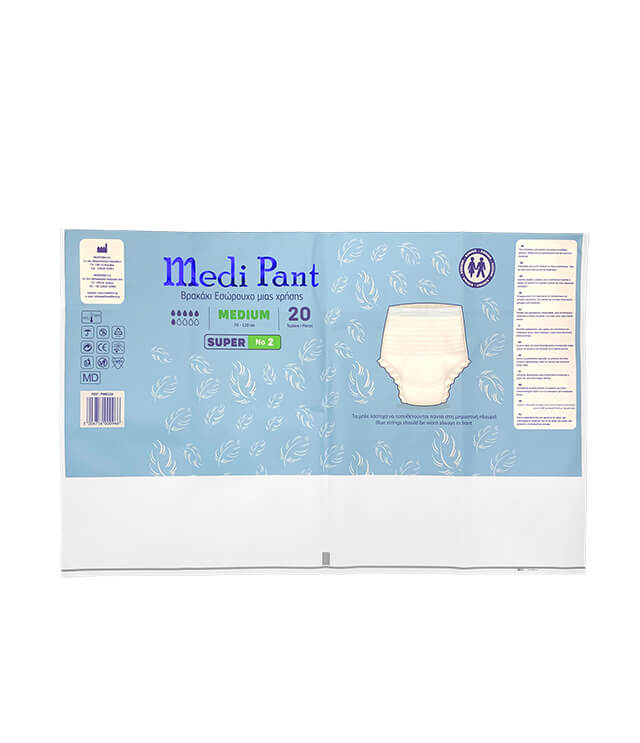
Adult diaper packaging design plays a crucial role in both functionality and marketing. As the demand for adult incontinence products continues to grow, manufacturers must consider various factors when designing packaging that appeals to consumers while maintaining product integrity. This guide explores the essential elements of effective adult diaper packaging design.

## Understanding the Target Audience

Demographic Considerations

Adult diaper users span various age groups and lifestyles. Packaging should consider:

  • Elderly individuals who may have limited dexterity
  • Active adults who need discreet solutions
  • Caregivers purchasing products for others

Psychological Factors

Many consumers feel embarrassed about purchasing incontinence products. Thoughtful packaging can help reduce stigma through:

  • Discreet designs that don’t draw attention
  • Positive messaging that emphasizes dignity
  • Neutral color schemes

## Functional Requirements

Protection and Preservation

The primary purpose of packaging is to protect the product. Key considerations include:

  • Moisture barriers to prevent product degradation
  • Odor control features
  • Durable materials that withstand shipping and handling

Accessibility Features

Packaging should be easy to open and use, especially for older adults:

  • Large, easy-to-grip handles
  • Resealable options for partial packages
  • Clear opening instructions

## Design Elements

Visual Appeal

While discretion is important, packaging should still be visually appealing:

  • Clean, professional layouts
  • High-quality product imagery
  • Appropriate color psychology (blues for trust, greens for freshness)

Information Hierarchy

Clear communication of product features is essential:

  • Prominent display of size and absorbency level
  • Quick-reference icons for key features
  • Detailed product information in readable font sizes

## Sustainability Considerations

Eco-Friendly Materials

Many consumers prefer environmentally responsible packaging:

  • Recyclable or biodegradable materials
  • Minimalist designs that reduce material use
  • Plant-based inks and adhesives

Reduced Packaging Waste

Strategies to minimize environmental impact:

  • Concentrated product formats
  • Refillable packaging options
  • Efficient package-to-product ratios

## Regulatory Compliance

Labeling Requirements

Packaging must meet various regulations:

  • Clear ingredient listings
  • Proper medical device classifications
  • Country-specific labeling laws

Safety Standards

Packaging must ensure product safety:

  • Child-resistant features where required
  • Tamper-evident designs
  • Proper sterilization indicators for medical-grade products

## Market Trends

Premiumization

Growing demand for high-end products has led to:

  • Luxury packaging designs
  • Subscription box formats
  • Brand collaborations with designers

Smart Packaging

Emerging technologies

Adult Diaper Packaging Design: Innovative Solutions for Discretion and Comfort

Adult Diaper Packaging Design: Innovative Solutions for Discretion and Comfort

,文章长度约1000单词

html

Adult Diaper Packaging Design: Innovative Solutions for Discretion and Comfort

The world of adult diaper packaging design has undergone a remarkable transformation in recent years. No longer just a functional necessity, modern packaging now addresses critical consumer needs like discretion, ease of use, and environmental concerns while maintaining product integrity. This evolution reflects a growing understanding of user psychology and market demands in the incontinence care sector.

The Psychology Behind Adult Diaper Packaging

Effective adult diaper packaging must first address the emotional needs of users. Many adults dealing with incontinence experience embarrassment or discomfort when purchasing these products. Smart packaging design helps mitigate these feelings through:

  • Discreet, neutral color schemes that don’t draw attention
  • Minimalist designs that resemble regular hygiene products
  • Subtle branding that avoids medical or infantilizing imagery
  • Packaging sizes that facilitate private transportation

Market research shows that packaging that looks too clinical or resembles baby diapers can deter potential users. The most successful designs strike a balance between professionalism and approachability.

Key Functional Requirements

Beyond aesthetics, adult diaper packaging must meet several practical requirements:

Moisture Protection

High-quality barrier materials prevent moisture absorption from the environment while containing odors. Many premium brands use multi-layer films with specialized coatings.

Resealability

For packages containing multiple diapers, secure resealing mechanisms maintain product freshness between uses. Popular options include zipper closures, adhesive flaps, or fold-over designs.

Easy Opening

Considering the potential physical limitations of some users, packaging should feature easy-open tabs, perforations, or tear strips that don’t require scissors.

Portability

Travel-friendly options include slim packs for purses or backpacks, and discreet carrying cases for on-the-go changes.

Innovative Packaging Formats

The industry has seen several packaging innovations that improve user experience:

Discrete Pouches

Individual diaper pouches allow users to carry just what they need without bulk. These often feature ultra-quiet opening mechanisms for public restroom use.

Refill Systems

Some brands offer decorative storage containers with refill packs, transforming a medical necessity into a stylish bathroom accessory.

Smart Packaging

Emerging technologies include:

  • QR codes linking to usage instructions or reordering
  • Moisture indicators that change color when a change is needed
  • RFID tags for inventory management in care facilities

Sustainability in Adult Diaper Packaging

Environmental concerns are driving significant changes in packaging materials and design:

Biodegradable Materials

Plant-based films and recycled paper components reduce environmental impact. Some brands now offer compostable packaging for certain product lines.

Reduced Material Use

Engineered designs minimize material while maintaining protection. This includes optimized pouch sizes and thinner but stronger barrier layers.

Refill Stations

Pilot programs in some regions allow customers to refill reusable containers, dramatically reducing packaging waste.

Branding and Marketing Considerations

Successful adult diaper packaging communicates key brand messages while respecting user privacy:

Premium Positioning

Adult Diaper Packaging Design: Innovation and Functionality

Adult Diaper Packaging Design: Innovation and Functionality

# Adult Diaper Packaging Design: Innovation and Functionality

## The Importance of Thoughtful Packaging in Adult Diapers

Adult diaper packaging design plays a crucial role in both product protection and user experience. Unlike traditional consumer goods, adult incontinence products require special consideration in their packaging to address unique challenges while maintaining dignity and discretion for users.

## Key Elements of Effective Adult Diaper Packaging

### 1. Discretion and Privacy

Modern adult diaper packaging prioritizes discretion through:
– Neutral color schemes
– Minimal branding
– Plain outer packaging options
– Discreet carrying solutions for travel

### 2. Functional Accessibility

Packaging must consider the physical limitations some users may face:
– Easy-open features
– Resealable options
– Ergonomic handles
– Clear opening instructions

### 3. Product Protection

Effective packaging must:
– Maintain product integrity
– Prevent moisture exposure
– Resist tears and punctures
– Provide adequate cushioning

## Innovative Trends in Packaging Design

### Sustainable Materials

Eco-conscious packaging solutions are gaining popularity:
– Biodegradable materials
– Reduced plastic content
– Recyclable components
– Minimalist designs to reduce waste

### Smart Packaging Features

Cutting-edge designs incorporate:
– Moisture indicators
– Usage tracking systems
– QR codes for product information
– Discreet disposal compartments

### User-Centric Design Approaches

Manufacturers are focusing on:
– Intuitive opening mechanisms
– Clear size and absorption labeling
– Tactile indicators for visually impaired users
– Compact designs for storage convenience

## Balancing Aesthetics and Functionality

Successful adult diaper packaging achieves a delicate balance between:
– Professional, medical-grade appearance
– Approachable, non-intimidating design
– Clear product differentiation
– Emotional sensitivity to user needs

## The Future of Adult Diaper Packaging

Emerging trends suggest continued innovation in:
– Personalized packaging options
– Subscription-based delivery systems
– Advanced odor-control technologies
– Integrated disposal solutions

As the market for adult incontinence products grows, packaging design will continue to evolve, focusing on both practical functionality and the emotional needs of users. The best designs successfully combine discretion, accessibility, and environmental responsibility while maintaining product quality and user dignity.