A2ZWEBDESIGNSUSA

Customized Compound Development Strategies

# Customized Compound Development Strategies

## The Importance of Tailored Compound Development

In the ever-evolving world of pharmaceuticals and specialty chemicals, tailored compound development has become a cornerstone of innovation. This approach allows researchers and manufacturers to create compounds that precisely meet specific requirements, whether for medical treatments, industrial applications, or advanced materials.

Unlike traditional one-size-fits-all solutions, customized compound development offers numerous advantages:

– Higher efficacy in targeted applications
– Reduced side effects in pharmaceutical applications
– Improved material properties for industrial uses
– Greater cost-efficiency in the long run

## Key Components of Successful Custom Development

### 1. Comprehensive Needs Assessment

The foundation of any successful tailored compound development project lies in thoroughly understanding the client’s requirements. This involves:

– Detailed analysis of the intended application
– Identification of performance benchmarks
– Evaluation of regulatory constraints
– Assessment of manufacturing feasibility

### 2. Advanced Computational Modeling

Modern compound development heavily relies on computational chemistry and molecular modeling. These tools allow researchers to:

– Predict compound behavior before synthesis
– Optimize molecular structures virtually
– Reduce trial-and-error experimentation
– Accelerate the development timeline

### 3. Iterative Synthesis and Testing

The development process typically follows an iterative approach:

– Small-scale synthesis of candidate compounds
– Rigorous performance testing
– Data analysis and refinement
– Scale-up of successful candidates

## Applications Across Industries

### Pharmaceutical Development

In drug development, customized compounds enable:

– Targeted therapies for specific patient populations
– Improved drug delivery systems
– Enhanced bioavailability
– Reduced adverse effects

### Specialty Chemicals

For industrial applications, tailored compounds provide:

– Optimized performance characteristics
– Environmental sustainability
– Process efficiency
– Product differentiation

## Challenges in Custom Compound Development

While the benefits are significant, the process does present several challenges:

– High initial R&D costs
– Complex regulatory pathways (especially in pharmaceuticals)
– Intellectual property considerations
– Scaling from lab to production

## Future Trends in Custom Development

The field of tailored compound development continues to evolve with several emerging trends:

– AI-assisted molecular design
– Green chemistry approaches
– High-throughput screening technologies
– Personalized medicine applications

## Conclusion

Customized compound development represents a paradigm shift in how we approach chemical and pharmaceutical innovation. By focusing on precise solutions rather than generic options, researchers and manufacturers can create compounds that deliver superior performance, greater efficiency, and better outcomes across numerous applications. As technology continues to advance, we can expect even more sophisticated and effective tailored development strategies to emerge.


Customized Compound Development Strategies

# Customized Compound Development Strategies

## The Importance of Tailored Compound Development

In today’s competitive pharmaceutical and chemical industries, tailored compound development has become a crucial factor for success. Companies that can efficiently design and produce customized compounds gain significant advantages in research, product development, and market positioning.

The process of creating specialized chemical compounds requires a strategic approach that considers multiple factors, including molecular structure, intended application, and production feasibility. By focusing on customization, researchers can develop solutions that precisely meet specific needs rather than relying on generic alternatives.

## Key Components of Effective Compound Development

### 1. Target Identification and Analysis

The foundation of any successful customized compound development strategy begins with thorough target identification. This involves:

– Understanding the biological or chemical system being addressed
– Analyzing existing compounds and their limitations
– Identifying precise requirements for the new compound

### 2. Molecular Design and Modeling

Advanced computational tools have revolutionized the way scientists approach compound development. Modern strategies incorporate:

– Computer-aided drug design (CADD) techniques
– Quantum mechanical calculations
– Molecular dynamics simulations
– Structure-activity relationship (SAR) analysis

### 3. Synthesis Optimization

Developing efficient synthesis pathways is critical for both research-scale and commercial production. Key considerations include:

– Selection of appropriate starting materials
– Development of cost-effective synthetic routes
– Optimization of reaction conditions
– Scalability assessment

## Strategic Approaches to Custom Development

### Collaborative Development Models

Many organizations are adopting collaborative approaches to compound development, which may involve:

– Academic-industrial partnerships
– Cross-functional research teams
– Open innovation platforms
– Contract research organizations (CROs)

### Technology Integration

Successful customized compound development increasingly relies on integrating multiple technologies:

– High-throughput screening systems
– Automated synthesis platforms
– Advanced analytical techniques
– Artificial intelligence and machine learning applications

## Challenges in Tailored Compound Development

While the benefits of customized approaches are clear, several challenges must be addressed:

– Balancing specificity with broad applicability
– Managing intellectual property concerns
– Controlling development costs and timelines
– Ensuring regulatory compliance
– Maintaining quality control standards

## Future Trends in Compound Customization

The field of tailored compound development continues to evolve with several emerging trends:

– Increased use of predictive modeling
– Development of more sustainable synthetic methods
– Greater emphasis on personalized medicine applications
– Integration of nanotechnology in compound design
– Expansion of bio-based compound development

By staying at the forefront of these developments, organizations can maintain their competitive edge in the rapidly changing landscape of chemical and pharmaceutical innovation.

Cell-Permeable Peptides for Research and Therapeutic Applications

# Cell-Permeable Peptides for Research and Therapeutic Applications

## Introduction to Cell-Permeable Peptides

Cell-permeable peptides (CPPs) are short amino acid sequences capable of crossing cellular membranes. These versatile molecules have gained significant attention in both research and therapeutic fields due to their ability to deliver various cargoes into cells, including drugs, nucleic acids, and proteins.

## How Cell-Permeable Peptides Work

The mechanism of CPP uptake remains an active area of research, with several proposed pathways:

Primary Mechanisms of Cellular Uptake

1. Direct penetration through the lipid bilayer

2. Endocytosis-mediated internalization

3. Transient pore formation

4. Membrane thinning and reorganization

The efficiency of cellular uptake depends on various factors including peptide sequence, charge, and the nature of the cargo being delivered.

## Advantages of Using Cell-Permeable Peptides

CPPs offer several benefits for research and therapeutic applications:

Key Advantages

• High delivery efficiency across various cell types

• Low cytotoxicity compared to other delivery methods

• Ability to transport diverse molecular cargoes

• Potential for tissue-specific targeting

• Compatibility with in vivo applications

## Research Applications of Cell-Permeable Peptides

Scientists utilize CPPs in numerous research contexts:

Common Research Uses

• Delivery of fluorescent markers for imaging studies

• Introduction of functional proteins or peptides into cells

• Gene regulation through delivery of nucleic acids

• Study of intracellular signaling pathways

• Development of novel drug delivery systems

## Therapeutic Potential of Cell-Permeable Peptides

The medical applications of CPPs are rapidly expanding:

Promising Therapeutic Areas

• Cancer treatment through targeted drug delivery

• Neurological disorders by crossing the blood-brain barrier

• Infectious diseases via antimicrobial peptide delivery

• Cardiovascular therapies with regulatory peptides

• Regenerative medicine applications

## Considerations When Buying Cell-Permeable Peptides

When purchasing CPPs for research or therapeutic development, several factors should be considered:

Selection Criteria

• Purity and quality of the peptide sequence

• Proven cellular uptake efficiency

• Compatibility with intended cargo

• Stability under experimental conditions

• Reputation and reliability of the supplier

## Future Directions in CPP Research

The field of cell-permeable peptides continues to evolve with exciting developments:

Researchers are working on improving the specificity of CPPs to reduce off-target effects, enhancing their stability in biological systems, and developing novel CPP sequences with improved delivery capabilities. The integration of CPP technology with other drug delivery platforms promises to open new frontiers in both basic research and clinical applications.

As our understanding of these remarkable molecules grows, so does their potential to revolutionize how we study cellular processes and develop new therapeutic interventions.

Kinetic Chromogenic Endotoxin Test: A Rapid and Sensitive Method for Endotoxin Detection

Kinetic Chromogenic Endotoxin Test: A Rapid and Sensitive Method for Endotoxin Detection

# Kinetic Chromogenic Endotoxin Test: A Rapid and Sensitive Method for Endotoxin Detection

## Introduction

Endotoxins, also known as lipopolysaccharides (LPS), are toxic components of the outer membrane of Gram-negative bacteria. Their presence in pharmaceuticals, medical devices, and other sterile products can cause severe pyrogenic reactions in humans. The Kinetic Chromogenic Endotoxin Test has emerged as a powerful tool for detecting these harmful substances with high sensitivity and speed.

## Understanding the Kinetic Chromogenic Method

The Kinetic Chromogenic Endotoxin Test is based on the enzymatic reaction between endotoxins and a clotting enzyme from the horseshoe crab (Limulus polyphemus or Tachypleus tridentatus). This method offers several advantages over traditional gel-clot techniques:

– Quantitative results
– Higher sensitivity
– Faster turnaround time
– Objective measurement
– Wider detection range

## How the Test Works

The test procedure involves several key steps:

  1. Sample preparation and dilution
  2. Mixing with chromogenic substrate
  3. Incubation at controlled temperature
  4. Measurement of color development over time
  5. Calculation of endotoxin concentration

The reaction produces a yellow color that changes to pink as the reaction progresses. The rate of color development is directly proportional to the endotoxin concentration in the sample.

## Advantages Over Traditional Methods

Speed and Efficiency

While the gel-clot method requires 60 minutes for a single endpoint reading, the kinetic chromogenic test provides continuous monitoring and can often yield results in as little as 15-30 minutes.

Precision and Accuracy

The kinetic approach allows for precise quantification across a wide dynamic range (typically 0.005-50 EU/mL), making it suitable for both highly purified samples and those with potentially high endotoxin levels.

Automation Potential

The method is easily adaptable to automated systems, reducing operator variability and increasing throughput in quality control laboratories.

## Applications in Various Industries

The Kinetic Chromogenic Endotoxin Test finds applications in:

  • Pharmaceutical manufacturing
  • Medical device quality control
  • Biotechnology product testing
  • Water quality monitoring
  • Research and development

## Regulatory Considerations

This method is recognized by major pharmacopeias including:

  • United States Pharmacopeia (USP)
  • European Pharmacopoeia (EP)
  • Japanese Pharmacopoeia (JP)

Validation studies must demonstrate that the test meets requirements for specificity, accuracy, precision, linearity, range, and robustness as outlined in these regulatory documents.

## Conclusion

The Kinetic Chromogenic Endotoxin Test represents a significant advancement in endotoxin detection technology. Its combination of speed, sensitivity, and quantitative precision makes it an invaluable tool for ensuring product safety across multiple industries. As regulatory requirements become more stringent and production timelines more compressed, this method will likely see increasing adoption in quality control laboratories worldwide.

Kinetic Chromogenic Endotoxin Test: A Rapid and Sensitive Method for Endotoxin Detection

Kinetic Chromogenic Endotoxin Test: A Rapid and Sensitive Method for Endotoxin Detection

# Kinetic Chromogenic Endotoxin Test: A Rapid and Sensitive Method for Endotoxin Detection

Introduction

Endotoxins, also known as lipopolysaccharides (LPS), are toxic components of the outer membrane of Gram-negative bacteria. Their presence in pharmaceuticals, medical devices, and other sterile products can cause severe inflammatory responses in humans. Therefore, accurate and sensitive detection of endotoxins is crucial in quality control processes.

What is the Kinetic Chromogenic Endotoxin Test?

The Kinetic Chromogenic Endotoxin Test is a modern, quantitative method for endotoxin detection that combines the principles of the Limulus Amebocyte Lysate (LAL) test with chromogenic technology. This test measures the rate of color development, which is proportional to the endotoxin concentration in the sample.

How Does the Test Work?

The test follows these key steps:

  1. Sample preparation and dilution
  2. Mixing with LAL reagent containing a chromogenic substrate
  3. Incubation at controlled temperature (typically 37°C)
  4. Measurement of color development over time using a spectrophotometer
  5. Calculation of endotoxin concentration based on reaction kinetics

Advantages Over Traditional Methods

The Kinetic Chromogenic Endotoxin Test offers several significant advantages:

  • Higher sensitivity: Can detect endotoxin levels as low as 0.001 EU/mL
  • Quantitative results: Provides precise endotoxin concentration measurements
  • Rapid detection: Typically provides results within 15-30 minutes
  • Automation compatibility: Easily adapted for high-throughput testing
  • Reduced interference: Less affected by sample color or turbidity compared to gel-clot methods

Applications in Various Industries

This advanced endotoxin detection method finds applications in multiple sectors:

Industry Application
Pharmaceutical Quality control of injectable drugs and medical devices
Biotechnology Testing of recombinant proteins and cell culture media
Medical Device Sterility testing of implants and surgical equipment
Water Treatment Monitoring of pyrogen-free water systems

Validation and Regulatory Compliance

The Kinetic Chromogenic Endotoxin Test is recognized by major pharmacopeias including:

  • United States Pharmacopeia (USP)
  • European Pharmacopoeia (EP)
  • Japanese Pharmacopoeia (JP)

Proper validation according to regulatory guidelines is essential for implementation in quality control laboratories.

Future Perspectives

As technology advances, we can expect further improvements in:

  • Test sensitivity and specificity
  • Automation and integration with laboratory information systems
  • Development of portable testing devices for point-of-use applications
  • Expansion to new sample matrices and

Fashion Design Software for Creative Professionals

Fashion Design Software for Creative Professionals

# Fashion Design Software for Creative Professionals

## The Evolution of Fashion Design Tools

Fashion design software has revolutionized the way creative professionals bring their visions to life. Gone are the days when designers relied solely on pencil sketches and physical fabric swatches. Today’s digital tools offer unprecedented capabilities that streamline the entire design process from concept to production.

Modern fashion design software combines intuitive interfaces with powerful features that cater to both technical and creative needs. These programs allow designers to experiment with colors, patterns, and silhouettes in a virtual environment before committing to physical prototypes.

## Key Features of Professional Fashion Design Software

1. Digital Pattern Making

Advanced software enables precise pattern creation with measurement tools that ensure perfect fit. Designers can manipulate darts, seams, and pleats with mathematical accuracy while maintaining creative flexibility.

2. 3D Garment Simulation

Cutting-edge programs offer realistic 3D rendering that shows how fabrics will drape and move on virtual models. This technology significantly reduces the need for physical samples, saving time and resources.

3. Color and Fabric Libraries

Extensive digital libraries provide instant access to thousands of color options and fabric textures, allowing designers to experiment with different material combinations effortlessly.

4. Technical Drawing Tools

Professional-grade vector tools create clean, precise technical drawings that can be easily shared with manufacturers and production teams.

## Choosing the Right Software for Your Needs

When selecting fashion design software, professionals should consider several factors:

  • Skill level (beginner, intermediate, or advanced)
  • Specific design focus (apparel, accessories, footwear)
  • Integration with other tools in the workflow
  • Budget constraints
  • Hardware requirements

Many software options offer free trials, which can be invaluable for testing compatibility with your creative process before making a financial commitment.

## The Future of Fashion Design Technology

Emerging technologies like artificial intelligence and virtual reality are beginning to influence fashion design software. AI-powered tools can suggest design modifications based on current trends, while VR environments allow for immersive design experiences.

As these technologies mature, we can expect fashion design software to become even more intuitive and powerful, further blurring the lines between digital creation and physical reality.

For creative professionals looking to stay competitive in the fast-paced fashion industry, mastering these digital tools is no longer optional—it’s essential for bringing innovative designs to market efficiently and effectively.

Free Online Clothing Design Tools

Free Online Clothing Design Tools

# Free Online Clothing Design Tools

## Introduction to Online Clothing Design

In today’s digital age, designing clothes online free has become more accessible than ever before. Whether you’re a fashion student, aspiring designer, or just someone who loves creating unique apparel, numerous web-based tools allow you to bring your clothing ideas to life without spending a dime.

## Top Free Online Clothing Design Platforms

### 1. Canva’s Fashion Design Templates

While primarily known for graphic design, Canva offers excellent templates for clothing design. Their drag-and-drop interface makes it easy to create t-shirt designs, hoodie graphics, and other apparel concepts.

### 2. Adobe Express (Formerly Adobe Spark)

Adobe’s free online tool provides professional-grade design capabilities for clothing. You can experiment with patterns, colors, and layouts to visualize your fashion ideas.

### 3. SketchUp Free

For those interested in 3D clothing design, SketchUp’s free version offers basic modeling tools perfect for visualizing garments in three dimensions.

## Benefits of Using Free Online Design Tools

Using free online clothing design tools provides several advantages:

  • No software installation required
  • Accessible from any device with internet
  • Collaboration features for team projects
  • Instant saving to the cloud
  • Regular updates and new features

## Tips for Effective Online Clothing Design

Start with Simple Projects

Begin with basic designs like t-shirts before moving to more complex garments. This helps you learn the tools without feeling overwhelmed.

Utilize Templates

Most platforms offer templates that can serve as excellent starting points for your designs.

Experiment with Colors and Patterns

Take advantage of the digital medium to try countless color combinations and pattern variations quickly.

## Conclusion

The availability of free online clothing design tools has democratized fashion creation, allowing anyone with creativity and internet access to explore apparel design. Whether you’re sketching your first t-shirt concept or developing a full clothing line, these platforms provide the perfect starting point without financial investment.

Free Online Clothing Design Tools

Free Online Clothing Design Tools

# Free Online Clothing Design Tools

## Design Clothes Online for Free: Unleash Your Creativity

The world of fashion design has become more accessible than ever with the rise of free online clothing design tools. Whether you’re an aspiring designer, a small business owner, or just someone who loves to create unique clothing concepts, these platforms offer incredible opportunities to bring your ideas to life without spending a fortune on expensive software.

## Top Free Online Clothing Design Platforms

### 1. Canva for Fashion Design

While primarily known as a graphic design tool, Canva offers excellent templates and tools for clothing design. With its drag-and-drop interface, you can:

– Create t-shirt designs
– Develop pattern concepts
– Visualize color combinations
– Experiment with typography on apparel

### 2. Fotor’s Clothing Design Tool

Fotor provides specialized features for clothing designers, including:

– Pre-made clothing templates
– Advanced editing tools
– Mockup generators
– Easy sharing options

### 3. Adobe Spark (Free Version)

Adobe’s free design tool offers:

– Professional-grade templates
– Customizable color palettes
– Branding tools
– Simple export options

## Benefits of Using Free Online Design Tools

Using free online platforms for clothing design comes with numerous advantages:

– No upfront costs or subscription fees
– Accessible from any device with internet
– No need for powerful hardware
– Regular updates and new features
– Collaborative options for team projects

## Tips for Effective Online Clothing Design

To get the most out of these free tools, consider these professional tips:

– Start with clear sketches of your ideas
– Use high-quality reference images
– Experiment with different color combinations
– Test your designs on various garment types
– Save multiple versions of your work

## Taking Your Designs to the Next Level

Once you’ve created your designs using free online tools, you might want to:

– Print your designs on actual garments
– Create a digital portfolio
– Share your work on social media
– Consider selling your designs online
– Connect with other designers for feedback

The availability of free online clothing design tools has democratized fashion creation, making it possible for anyone with creativity and vision to design professional-looking apparel concepts. These platforms continue to evolve, offering more sophisticated features while remaining accessible to beginners. Why not try one today and start bringing your fashion ideas to life?

Adult Diaper Packaging Bag

Adult Diaper Packaging Bag

# Adult Diaper Packaging Bag: Essential Features and Benefits

## Introduction to Adult Diaper Packaging Bags

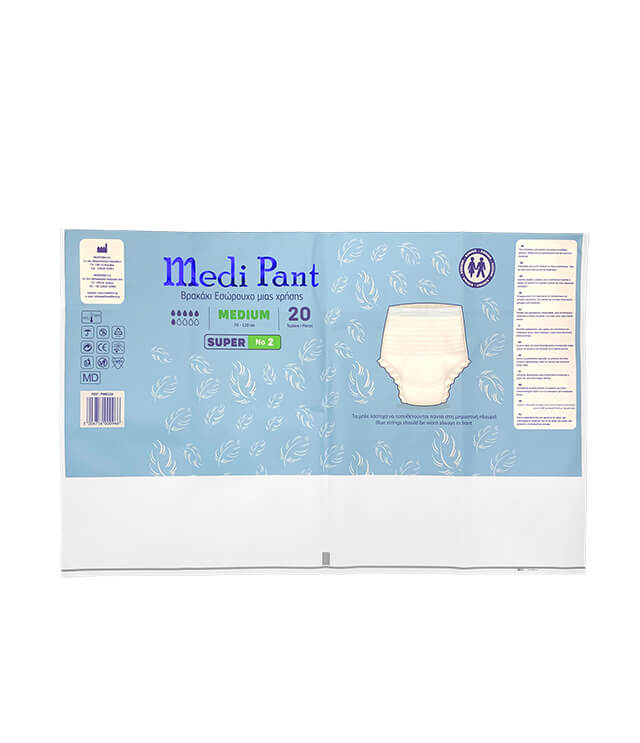
Adult diaper packaging bags play a crucial role in maintaining hygiene, convenience, and discretion for users of adult incontinence products. These specialized bags are designed to store and transport used adult diapers safely and odor-free, making them an essential accessory for caregivers and individuals managing incontinence.

## Key Features of Quality Adult Diaper Packaging Bags

When selecting adult diaper packaging bags, several important features should be considered:

– Odor-blocking technology to contain unpleasant smells
– Leak-proof construction to prevent any liquid from escaping
– Durable material that resists tearing and punctures
– Discreet design that maintains privacy
– Easy-to-use closure system (often zip-lock or adhesive seal)
– Compact size for portability and storage

## Benefits of Using Specialized Packaging Bags

Proper adult diaper disposal offers numerous advantages:

### Hygiene Maintenance

These bags help prevent the spread of bacteria and maintain a clean environment, especially important in healthcare settings or shared living spaces.

### Odor Control

Advanced materials neutralize odors effectively, ensuring comfort for both users and caregivers.

### Environmental Considerations

Many modern packaging bags are biodegradable or made from eco-friendly materials, reducing environmental impact.

### Convenience and Discretion

Compact, portable designs allow for easy disposal anywhere, while maintaining the user’s dignity and privacy.

## Choosing the Right Packaging Bag

Consider these factors when selecting adult diaper packaging bags:

– Size capacity to accommodate different diaper types
– Strength and durability for secure containment
– Ease of opening and sealing
– Environmental impact and disposal methods
– Cost-effectiveness for regular use

## Proper Usage and Disposal

For optimal results:

1. Place used diaper in the bag immediately after changing
2. Seal the bag completely according to manufacturer instructions
3. Dispose of in appropriate waste containers
4. Wash hands thoroughly after handling

## Conclusion

Adult diaper packaging bags provide a simple yet effective solution for managing incontinence products with dignity and hygiene. By selecting quality bags and using them properly, caregivers and users can maintain cleanliness, control odors, and ensure proper disposal of used products.

Adult Diaper Packaging Bag

Adult Diaper Packaging Bag

# Adult Diaper Packaging Bag: Essential Features and Benefits

## The Importance of Quality Adult Diaper Packaging

Adult diaper packaging bags play a crucial role in maintaining product hygiene and convenience. These specialized bags are designed to protect incontinence products from moisture, dust, and other environmental factors that could compromise their quality.

High-quality packaging ensures that adult diapers remain fresh and functional until they reach the end user. The right packaging solution can make a significant difference in both product protection and user experience.

## Key Features of Effective Adult Diaper Packaging

### 1. Moisture-Resistant Materials

Premium adult diaper packaging bags utilize materials that create an effective barrier against humidity and liquid penetration. This protection is essential for maintaining the absorbency and structural integrity of the diapers.

### 2. Odor Control Technology

Many modern packaging solutions incorporate odor-neutralizing properties to maintain discretion and comfort. This feature is particularly important for users who need to carry spare diapers with them throughout the day.

### 3. Easy-Open Designs

Packaging should balance security with accessibility. Resealable options with easy-open features allow for convenient access while keeping unused products protected.

## Environmental Considerations in Packaging

The adult diaper industry has made significant strides in developing eco-friendly packaging solutions. Many manufacturers now offer:

– Biodegradable materials

– Recyclable packaging options
– Reduced plastic content
– Sustainable production processes

These innovations help reduce environmental impact while maintaining product protection standards.

## Choosing the Right Packaging Solution

When selecting adult diaper packaging bags, consider these factors:

– Product size and quantity
– Frequency of use
– Storage conditions
– Portability requirements
– Environmental preferences

The ideal packaging solution will vary depending on individual needs and usage patterns. Some users may prefer individual wrappers for discretion, while others might opt for bulk packaging for cost efficiency.

## The Future of Adult Diaper Packaging

Innovation continues to drive improvements in adult diaper packaging. Emerging trends include:

– Smart packaging with usage tracking
– Antimicrobial materials
– Ultra-thin but durable films
– Customizable designs for different needs

These advancements promise to enhance both functionality and user experience in the years to come.

Quality packaging is an essential component of adult diaper products, offering protection, convenience, and peace of mind for users and caregivers alike. By understanding the available options and their benefits, consumers can make informed choices that best suit their needs.