A2ZWEBDESIGNSUSA

Soundproof Phone Booth: The Ultimate Solution for Noise-Free Communication

# Soundproof Phone Booth: The Ultimate Solution for Noise-Free Communication

In today’s fast-paced world, effective communication is more important than ever. Whether you’re in a bustling office, a noisy café, or a crowded airport, finding a quiet space to make a phone call can be a challenge. Enter the soundproof phone booth—a game-changer for anyone seeking privacy and clarity in their conversations.

## What is a Soundproof Phone Booth?

A soundproof phone booth is a compact, enclosed space designed to block out external noise, allowing you to make phone calls or conduct virtual meetings without distractions. These booths are typically equipped with sound-absorbing materials, such as acoustic foam or fiberglass, and often feature ventilation systems to ensure comfort during extended use.

## Benefits of Using a Soundproof Phone Booth

### 1. Enhanced Privacy

One of the primary advantages of a soundproof phone booth is the privacy it offers. Whether you’re discussing sensitive business matters or having a personal conversation, you can rest assured that your words won’t be overheard by others.

### 2. Improved Call Quality

External noise can significantly degrade the quality of your phone calls. A soundproof phone booth eliminates this issue, ensuring that both you and the person on the other end of the line can hear each other clearly.

### 3. Increased Productivity

In a noisy environment, it can be difficult to focus on your work. A soundproof phone booth provides a quiet space where you can concentrate, leading to increased productivity and efficiency.

### 4. Versatility

Soundproof phone booths are not just for phone calls. They can also be used for virtual meetings, video conferencing, or even as a quiet space for focused work. Their versatility makes them a valuable addition to any workspace.

## Key Features to Look For

When choosing a soundproof phone booth, there are several key features to consider:

### 1. Soundproofing Materials

The effectiveness of a soundproof phone booth largely depends on the materials used. Look for booths with high-quality sound-absorbing materials that can effectively block out external noise.

### 2. Ventilation System

A good ventilation system is essential for comfort, especially if you plan to use the booth for extended periods. Make sure the booth you choose has adequate airflow to prevent it from becoming stuffy.

### 3. Size and Portability

Consider the size of the booth and whether it can be easily moved if needed. Some booths are designed to be portable, making them ideal for flexible workspaces.

### 4. Additional Features

Some soundproof phone booths come with additional features, such as built-in lighting, power outlets, or even integrated technology for video conferencing. These extras can enhance your overall experience and make the booth more versatile.

## Applications of Soundproof Phone Booths

Soundproof phone booths are versatile and can be used in a variety of settings:

### 1. Offices

In open-plan offices, soundproof phone booths provide employees with a quiet space to make calls or focus on their work without distractions.

### 2. Public Spaces

Airports, train stations, and other public spaces can benefit from soundproof phone booths, offering travelers a private space to make calls.

### 3. Educational Institutions

Universities and schools can use soundproof phone booths to provide students with a quiet space for virtual classes or study sessions.

### 4. Healthcare Facilities

In hospitals and clinics, soundproof phone booths can offer patients and staff a private space for confidential conversations.

## Conclusion

A soundproof phone booth is an invaluable tool for anyone who values privacy, clarity, and productivity in their communications. Whether you’re in a noisy office or a bustling public space, these booths provide a quiet, private environment for phone calls, virtual meetings, and focused work. With a range of features and applications, soundproof phone booths are a versatile solution for noise-free

Pottery Tools: Essential Equipment for Ceramic Artistry

Pottery Tools: Essential Equipment for Ceramic Artistry

# Pottery Tools: Essential Equipment for Ceramic Artistry

Pottery is an ancient art form that has been practiced for thousands of years. Whether you’re a beginner or an experienced ceramic artist, having the right pottery tools is essential for creating beautiful and functional pieces. In this article, we’ll explore some of the most important tools used in pottery and how they can enhance your ceramic artistry.

## 1. Pottery Wheel

The pottery wheel is perhaps the most iconic tool in ceramic art. It allows artists to shape clay into symmetrical forms with ease. Modern pottery wheels come in various sizes and types, including electric and kick wheels. The choice of wheel depends on your skill level and the type of work you intend to create.

## 2. Clay

Clay is the fundamental material in pottery. There are different types of clay, such as earthenware, stoneware, and porcelain, each with its unique properties. The type of clay you choose will affect the texture, color, and durability of your finished piece. It’s important to select the right clay for your project to achieve the desired results.

## 3. Kiln

A kiln is an essential tool for firing pottery. It heats the clay to high temperatures, transforming it into a durable, ceramic material. Kilns come in various sizes and types, including electric, gas, and wood-fired kilns. The firing process is crucial as it determines the final strength and appearance of your pottery.

## 4. Sculpting Tools

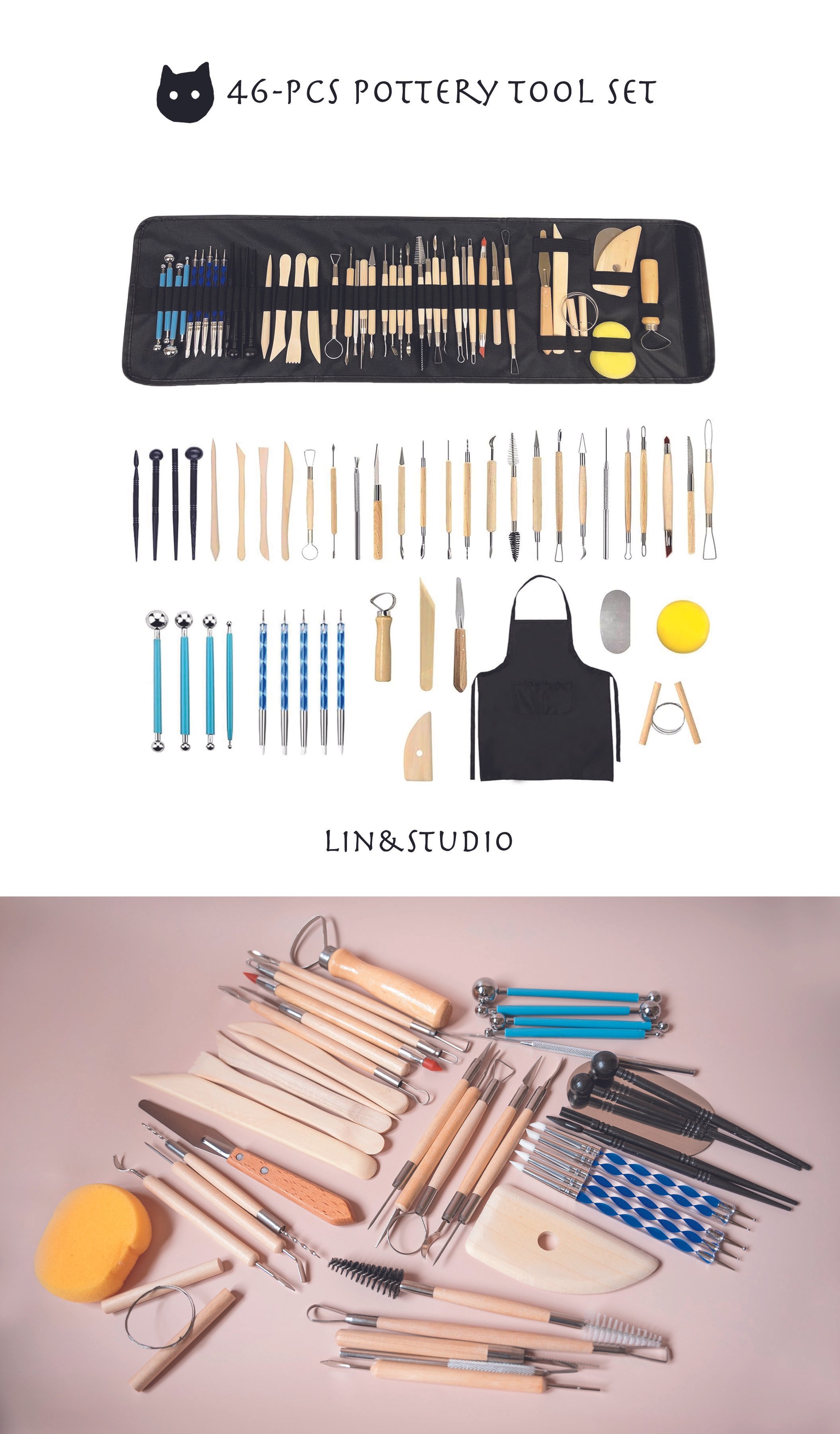
Sculpting tools are used to shape and refine your clay creations. These tools come in various shapes and sizes, including loop tools, ribbon tools, and needle tools. They are essential for adding details, carving designs, and smoothing surfaces. Having a variety of sculpting tools allows you to experiment with different techniques and styles.

## 5. Sponges and Brushes

Sponges and brushes are indispensable for maintaining the moisture of your clay and applying glazes. Sponges help to smooth and clean the surface of your pottery, while brushes are used to apply decorative glazes and underglazes. High-quality brushes with fine bristles are particularly useful for intricate designs and detailed work.

## 6. Ribs and Scrapers

Ribs and scrapers are used to shape and smooth the surface of your pottery. Ribs are typically made of wood, metal, or plastic and come in various shapes to help you achieve different contours. Scrapers are used to remove excess clay and refine the edges of your pieces. These tools are essential for achieving a polished and professional finish.

## 7. Calipers

Calipers are measuring tools used to ensure consistency in the size and shape of your pottery. They are particularly useful when creating sets of matching pieces, such as cups or bowls. Calipers help you maintain uniformity and precision in your work, which is crucial for functional pottery.

## 8. Wire Cutter

A wire cutter is a simple yet essential tool for cutting clay. It is used to slice through large blocks of clay and to remove finished pieces from the pottery wheel. Wire cutters come in various lengths and thicknesses, and having a sharp, durable wire cutter is important for clean and precise cuts.

## Conclusion

Pottery tools are the backbone of ceramic artistry. From the pottery wheel to sculpting tools, each piece of equipment plays a vital role in the creation process. Investing in high-quality tools and understanding how to use them effectively will greatly enhance your pottery skills and allow you to create stunning, unique pieces. Whether you’re a hobbyist or a professional, having the right tools at your disposal is key to unlocking your full creative potential in the world of pottery.

Keyword: Pottery tools

Automatic Weather Station Manufacturers: Leading Providers of Advanced Meteorological Solutions

Automatic Weather Station Manufacturers: Leading Providers of Advanced Meteorological Solutions

# Automatic Weather Station Manufacturers: Leading Providers of Advanced Meteorological Solutions

Automatic weather stations (AWS) have become indispensable tools in modern meteorology, agriculture, and environmental monitoring. These systems provide real-time data on weather conditions, enabling accurate forecasting and informed decision-making. Behind the success of these advanced systems are the automatic weather station manufacturers, who design, develop, and deliver cutting-edge solutions tailored to diverse industries.

## The Role of Automatic Weather Station Manufacturers

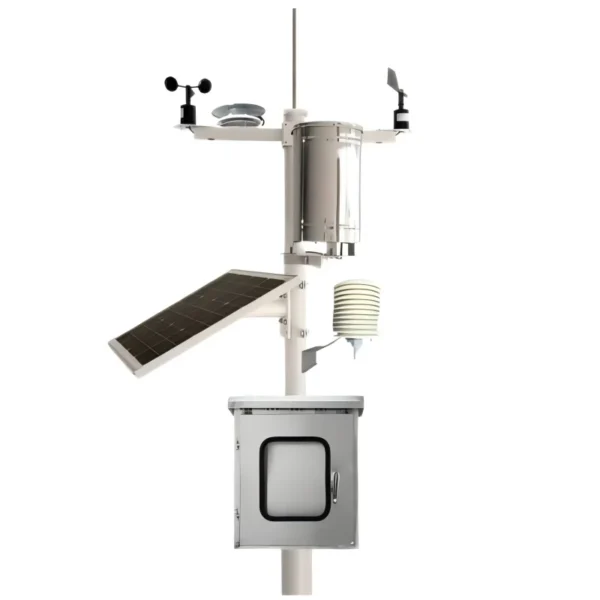
Automatic weather station manufacturers play a pivotal role in advancing meteorological technology. They are responsible for creating robust, reliable, and precise systems that can withstand harsh environmental conditions while delivering accurate data. These manufacturers integrate advanced sensors, communication modules, and data processing units to ensure seamless operation and data transmission.

From designing compact, portable stations for remote areas to developing large-scale networks for urban monitoring, manufacturers cater to a wide range of applications. Their expertise ensures that AWS systems meet the specific needs of industries such as agriculture, aviation, disaster management, and climate research.

## Key Features of Modern Automatic Weather Stations

Modern automatic weather stations are equipped with a variety of features that enhance their functionality and usability. Some of the key features include:

– High-precision sensors for measuring temperature, humidity, wind speed, and precipitation.
– Solar-powered systems for sustainable operation in remote locations.
– Wireless communication capabilities for real-time data transmission.
– User-friendly interfaces and software for data analysis and visualization.
– Durable construction to withstand extreme weather conditions.

These features make AWS systems versatile and reliable, ensuring they can be deployed in diverse environments, from arid deserts to tropical rainforests.

## Leading Automatic Weather Station Manufacturers

Several companies have established themselves as leaders in the field of automatic weather station manufacturing. These manufacturers are known for their innovation, quality, and commitment to delivering state-of-the-art solutions. Some of the prominent names in the industry include:

– Campbell Scientific: Renowned for its high-quality sensors and data loggers, Campbell Scientific offers a wide range of AWS solutions for various applications.
– Vaisala: A global leader in environmental and industrial measurement, Vaisala provides advanced weather stations with exceptional accuracy and reliability.
– Davis Instruments: Known for its user-friendly designs, Davis Instruments manufactures affordable and reliable AWS systems for both professional and personal use.
– METER Group: Specializing in environmental monitoring, METER Group offers innovative AWS solutions for agriculture, research, and water management.

These manufacturers continue to push the boundaries of meteorological technology, ensuring that their products meet the evolving needs of their customers.

## Applications of Automatic Weather Stations

Automatic weather stations are used in a wide range of applications, making them essential tools in various industries. Some of the key applications include:

– Agriculture: AWS systems help farmers monitor weather conditions, optimize irrigation, and protect crops from adverse weather events.
– Aviation: Accurate weather data is critical for flight safety, and AWS systems provide real-time information to airports and airlines.
– Disaster Management: Early warning systems powered by AWS can save lives by predicting natural disasters such as hurricanes, floods, and wildfires.
– Climate Research: Scientists rely on AWS data to study climate patterns, track changes, and develop models for future predictions.

The versatility of automatic weather stations makes them invaluable in addressing the challenges posed by a changing climate and growing global population.

## The Future of Automatic Weather Stations

As technology continues to evolve, automatic weather station manufacturers are exploring new ways to enhance the capabilities of their systems. The integration of artificial intelligence, machine learning, and IoT (Internet of Things) is expected to revolutionize the field of meteorology. These advancements will enable AWS systems to provide even more accurate and timely data, improving forecasting and decision-making processes.

Moreover, the growing demand for sustainable solutions is driving manufacturers to develop eco-friendly AWS systems powered by renewable energy sources. This focus on sustainability ensures that automatic weather stations will continue to play a vital role in addressing global environmental challenges.

In conclusion, automatic weather station manufacturers are at the forefront of meteorological innovation,

Top Automatic Weather Station Manufacturers Worldwide

Top Automatic Weather Station Manufacturers Worldwide

# Top Automatic Weather Station Manufacturers Worldwide

Automatic weather stations (AWS) have become indispensable tools for meteorologists, researchers, and industries that rely on accurate weather data. These stations are designed to collect and transmit real-time weather information, enabling better decision-making and forecasting. With the growing demand for reliable weather monitoring systems, several manufacturers have emerged as leaders in the industry. Below, we explore some of the top automatic weather station manufacturers worldwide.

## 1. Campbell Scientific

Campbell Scientific is a globally recognized leader in the design and manufacture of automatic weather stations. Known for their durability and precision, their systems are widely used in environmental monitoring, agriculture, and research. The company offers a range of customizable solutions to meet specific needs, making them a preferred choice for professionals worldwide.

## 2. Vaisala

Vaisala, a Finnish company, has been a pioneer in weather and environmental measurement technologies for decades. Their automatic weather stations are renowned for their accuracy and reliability, particularly in harsh environments. Vaisala’s AWS solutions are widely used in aviation, energy, and meteorology sectors, ensuring safety and efficiency.

## 3. Davis Instruments

Davis Instruments is a well-known name in the weather station industry, offering affordable and user-friendly solutions for both personal and professional use. Their automatic weather stations are popular among hobbyists, farmers, and small-scale researchers due to their ease of installation and maintenance.

## 4. MeteoGroup

MeteoGroup, a European-based company, specializes in providing advanced weather forecasting and monitoring solutions. Their automatic weather stations are designed for high-performance data collection and are widely used in industries such as transportation, energy, and agriculture. MeteoGroup’s systems are known for their integration capabilities and real-time data accessibility.

## 5. Lufft

Lufft, a German manufacturer, is recognized for its innovative and high-quality weather monitoring instruments. Their automatic weather stations are equipped with cutting-edge sensors and are ideal for applications in road weather monitoring, environmental research, and urban planning. Lufft’s commitment to precision and sustainability sets them apart in the industry.

## 6. Aeroqual

Aeroqual, based in New Zealand, specializes in environmental monitoring solutions, including automatic weather stations. Their systems are designed to provide accurate and reliable data for air quality and weather monitoring. Aeroqual’s AWS solutions are widely used in environmental research and industrial applications.

## 7. Onset Computer Corporation

Onset Computer Corporation is a leading manufacturer of data loggers and weather monitoring systems. Their automatic weather stations are compact, cost-effective, and easy to deploy, making them ideal for research and educational purposes. Onset’s solutions are widely used in ecological studies and climate research.

## Conclusion

The demand for accurate and reliable weather data continues to grow, driving innovation among automatic weather station manufacturers. Companies like Campbell Scientific, Vaisala, and Davis Instruments have established themselves as industry leaders, offering solutions tailored to diverse needs. Whether for research, agriculture, or industrial applications, these manufacturers provide the tools necessary to monitor and understand weather patterns effectively. As technology advances, we can expect even more sophisticated and efficient automatic weather stations to emerge, further enhancing our ability to predict and respond to weather-related challenges.

コンテナハウス活用術:快適な暮らしのためのアイデア集

コンテナハウス活用術:快適な暮らしのためのアイデア集

# コンテナハウス活用術:快適な暮らしのためのアイデア集

## コンテナハウスとは?

コンテナハウスは、もともと貨物輸送に使用される海上コンテナを再利用して作られた住宅です。その頑丈な構造とモジュール性から、近年ではエコフレンドリーでコストパフォーマンスの高い住居として注目を集めています。コンテナハウスは、都市部から田舎まで、さまざまな環境に適応できる柔軟性を持っています。

## コンテナハウスのメリット

### 1. コスト効率が高い
コンテナハウスは、従来の住宅に比べて建設コストが低く抑えられることが大きな魅力です。既存のコンテナを再利用するため、材料費が削減でき、工期も短縮できます。

### 2. 環境に優しい
コンテナハウスは、リサイクル素材を使用しているため、環境負荷が少ない住宅です。また、断熱材や太陽光パネルを活用することで、さらにエコフレンドリーな生活を実現できます。

### 3. デザインの自由度が高い
コンテナハウスは、モジュール構造を活かして自由にレイアウトを変更できます。複数のコンテナを組み合わせることで、広々とした空間やユニークなデザインを実現することも可能です。

## コンテナハウスを快適に活用するアイデア

### 1. 断熱材の活用
コンテナは金属製のため、夏は暑く、冬は寒くなりがちです。断熱材をしっかりと施工することで、快適な室内環境を保つことができます。断熱材の種類や厚さを工夫することで、省エネ効果も高まります。

### 2. 自然光を取り入れる
コンテナハウスは、窓を大きく取ることで、自然光をたっぷりと取り入れることができます。天窓や大きなガラスドアを設置することで、明るく開放的な空間を演出できます。

### 3. 屋上庭園の設置
コンテナハウスの屋上を活用して、庭園や菜園を作ることもできます。屋上庭園は、断熱効果も期待できるだけでなく、緑豊かな空間でリラックスできる場所としても活用できます。

### 4. モジュール式のレイアウト
コンテナハウスは、モジュール式の構造を活かして、必要に応じて部屋を増やしたり、レイアウトを変更したりすることができます。家族の成長やライフスタイルの変化に合わせて、柔軟に住まいをカスタマイズできます。

## コンテナハウスの未来

コンテナハウスは、その柔軟性とエコフレンドリーな特性から、今後さらに普及していくことが期待されています。都市部での住宅不足や、災害時の仮設住宅としても活用されるなど、その可能性は無限大です。コンテナハウスを活用することで、快適で持続可能な暮らしを実現しましょう。

## まとめ

コンテナハウスは、コストパフォーマンスが高く、環境に優しい住宅として注目されています。断熱材の活用や自然光の取り入れ、屋上庭園の設置など、さまざま

咖啡机维修指南:常见问题与解决方法

# 咖啡机维修指南:常见问题与解决方法

咖啡机是现代生活中不可或缺的电器之一,但长时间使用后难免会出现一些问题。本文将为您提供一些常见的咖啡机故障及其解决方法,帮助您轻松应对日常使用中的小麻烦。

1. 咖啡机无法启动

如果您的咖啡机无法启动,首先检查电源是否连接正常。确保插头插紧,电源开关已打开。如果电源没有问题,可能是内部电路故障,建议联系专业维修人员进行检修。

2. 咖啡机漏水

漏水是咖啡机常见的故障之一。首先检查水箱是否安装正确,密封圈是否完好。如果水箱没有问题,可能是内部管道破裂或连接处松动,需要拆机检查并更换损坏的部件。

3. 咖啡机出咖啡速度慢

如果咖啡机出咖啡速度变慢,可能是咖啡粉过细或过多,导致水流不畅。建议调整咖啡粉的粗细和用量。此外,定期清洁咖啡机的滤网和水管也能有效解决这一问题。

4. 咖啡机噪音过大

咖啡机在运行过程中产生噪音,可能是水泵或电机出现问题。首先检查是否有异物卡住,清理后如果问题依旧,可能需要更换水泵或电机部件。

5. 咖啡机无法加热

如果咖啡机无法加热,可能是加热元件损坏或温控器故障。建议先检查电源和温控器设置,如果问题依旧,需要更换加热元件或温控器。

6. 咖啡机清洁与保养

定期清洁和保养是延长咖啡机使用寿命的关键。建议每月进行一次深度清洁,使用专用的清洁剂清洗水箱、管道和滤网。此外,定期更换滤芯和密封圈也能有效预防故障的发生。

通过以上方法,您可以轻松解决咖啡机的常见问题。如果问题较为复杂,建议联系专业维修人员进行检修,以确保咖啡机的正常使用。

Keyword: 維修咖啡機

Sanitary Napkins Raw Material: Composition and Manufacturing Process

# Sanitary Napkins Raw Material: Composition and Manufacturing Process

Sanitary napkins are essential hygiene products used by millions of women worldwide. Understanding the raw materials and manufacturing process behind these products is crucial for ensuring quality, safety, and sustainability. This article delves into the composition of sanitary napkins and the steps involved in their production.

## Composition of Sanitary Napkins

Sanitary napkins are made from a combination of materials, each serving a specific purpose. The primary components include:

### 1. Absorbent Core
The absorbent core is the heart of a sanitary napkin. It is typically made from wood pulp or a blend of wood pulp and superabsorbent polymers (SAP). The core is responsible for absorbing and retaining menstrual fluid.

### 2. Top Sheet
The top sheet is the layer that comes into direct contact with the skin. It is usually made from non-woven fabric or perforated film, designed to be soft, breathable, and quick-drying to ensure comfort.

### 3. Back Sheet
The back sheet is the outermost layer of the sanitary napkin. It is made from a waterproof material, often polyethylene, to prevent leakage and keep the user’s clothing dry.

### 4. Adhesive
Adhesive is applied to the back sheet to keep the sanitary napkin securely in place. It is usually a pressure-sensitive adhesive that is safe for skin contact.

### 5. Release Paper
The release paper covers the adhesive before use. It is typically made from silicone-coated paper or plastic film, which is easy to peel off.

### 6. Fragrance and Additives
Some sanitary napkins include fragrances or additives to mask odors or provide additional comfort. However, these are optional and not present in all products.

## Manufacturing Process

The manufacturing of sanitary napkins involves several steps, each requiring precision and adherence to hygiene standards. Here’s an overview of the process:

### 1. Raw Material Preparation
The first step is the preparation of raw materials. Wood pulp is processed into a fluffy, absorbent material, while superabsorbent polymers are prepared in granular form. Non-woven fabrics and films are also prepared for the top and back sheets.

### 2. Core Formation
The absorbent core is formed by blending wood pulp and SAP. This mixture is then compressed and shaped into the desired thickness and size. The core is the most critical part of the napkin, as it determines the absorbency and comfort.

### 3. Layer Assembly
The top sheet, absorbent core, and back sheet are assembled in layers. The top sheet is placed on top of the core, followed by the back sheet. Adhesive is applied to the back sheet to secure the layers together.

### 4. Cutting and Shaping
The assembled layers are cut into individual napkins. The shape and size can vary depending on the product design. Some napkins may have wings or additional features for better fit and leakage protection.

### 5. Packaging
The final step is packaging. Each sanitary napkin is individually wrapped in a release paper and then packed into boxes or pouches. Packaging is done in a sterile environment to maintain hygiene.

### 6. Quality Control
Throughout the manufacturing process, quality control checks are conducted to ensure that the sanitary napkins meet safety and performance standards. This includes testing for absorbency, leakage, and skin irritation.

## Conclusion

Sanitary napkins are a vital product for women’s health and hygiene. The raw materials and manufacturing process are designed to provide comfort, safety, and reliability. By understanding the composition and production steps, consumers can make informed choices and manufacturers can continue to innovate and improve these essential products.

Sanitary Napkins Raw Material Composition and Properties

# Sanitary Napkins Raw Material Composition and Properties

Sanitary napkins are essential personal care products designed to provide comfort and hygiene during menstruation. Understanding the raw materials used in their production is crucial for ensuring quality, safety, and environmental sustainability. This article delves into the composition and properties of the primary materials used in sanitary napkins.

## 1. Absorbent Core

The absorbent core is the heart of a sanitary napkin, responsible for retaining menstrual fluid. It is typically made from a combination of the following materials:

– **Wood Pulp**: A natural, biodegradable material that provides excellent absorbency. It is often blended with synthetic fibers to enhance performance.
– **Superabsorbent Polymers (SAP)**: These are synthetic materials that can absorb and retain large amounts of liquid relative to their own mass. SAPs are highly effective in preventing leakage.

## 2. Top Sheet

The top sheet is the layer that comes into direct contact with the skin. It must be soft, comfortable, and allow for quick liquid penetration. Common materials include:

– **Nonwoven Fabrics**: Made from synthetic fibers like polypropylene or polyester, nonwoven fabrics are lightweight, breathable, and provide a smooth surface.
– **Perforated Films**: These are thin plastic films with tiny holes that allow liquid to pass through while keeping the surface dry.

## 3. Back Sheet

The back sheet is the outermost layer that prevents leakage and protects clothing. It is usually made from:

– **Polyethylene (PE) Film**: A waterproof, flexible material that provides a barrier against leaks.
– **Breathable Microporous Films**: These films allow moisture vapor to escape while preventing liquid from passing through, enhancing comfort.

## 4. Adhesive

Adhesives are used to secure the sanitary napkin in place. They must be strong enough to hold the napkin in position but gentle enough to avoid skin irritation. Common types include:

– **Hot Melt Adhesives**: These are applied in a molten state and solidify upon cooling, providing a strong bond.
– **Pressure-Sensitive Adhesives**: These adhesives stick to surfaces upon application of light pressure and are commonly used for wings and tabs.

## 5. Fragrance and Additives

Some sanitary napkins include fragrances or additives to mask odors or provide additional comfort. However, these components can sometimes cause skin irritation or allergic reactions, so their use is often debated.

## Properties of Sanitary Napkin Materials

– **Absorbency**: The ability to quickly absorb and retain menstrual fluid is crucial for preventing leaks and ensuring comfort.
– **Softness**: Materials must be gentle on the skin to avoid irritation, especially during prolonged use.
– **Breathability**: Good air circulation helps prevent moisture buildup, reducing the risk of bacterial growth and discomfort.
– **Biodegradability**: With increasing environmental concerns, there is a growing demand for materials that are biodegradable and eco-friendly.

In conclusion, the composition and properties of sanitary napkin materials play a vital role in their performance and user satisfaction. By understanding these elements, manufacturers can continue to innovate and improve the quality of these essential products.

Sanitary Napkins Raw Material Composition and Properties

# Sanitary Napkins Raw Material Composition and Properties

Sanitary napkins, also known as menstrual pads, are essential hygiene products used by women during menstruation. The effectiveness and comfort of these products largely depend on the raw materials used in their production. Understanding the composition and properties of these materials is crucial for both manufacturers and consumers.

## Core Components of Sanitary Napkins

The primary raw materials used in the production of sanitary napkins include:

– **Absorbent Core**: Typically made from wood pulp or superabsorbent polymers (SAP), this layer is responsible for absorbing menstrual fluid.
– **Top Sheet**: This is the layer that comes in direct contact with the skin. It is usually made from non-woven fabric or perforated film to ensure comfort and quick absorption.
– **Back Sheet**: Made from polyethylene or polypropylene, this layer prevents leakage and provides a barrier against moisture.
– **Adhesive**: Used to keep the napkin in place, the adhesive is usually a pressure-sensitive type applied to the back sheet.
– **Release Paper**: This is a protective layer that covers the adhesive before use.

## Properties of Raw Materials

Each component of a sanitary napkin has specific properties that contribute to the overall functionality of the product:

– **Absorbent Core**: High absorbency and retention capacity are essential. SAPs, for instance, can absorb many times their weight in fluid.
– **Top Sheet**: Must be soft, breathable, and hypoallergenic to prevent skin irritation and ensure comfort.
– **Back Sheet**: Should be impermeable to liquids to prevent leaks, yet flexible enough to allow movement.
– **Adhesive**: Needs to be strong enough to keep the napkin in place but gentle enough to be removed without causing discomfort or leaving residue.
– **Release Paper**: Should be easy to remove and not leave any residue on the adhesive.

## Environmental Considerations

With increasing awareness of environmental issues, the choice of raw materials for sanitary napkins is also influenced by their environmental impact. Biodegradable materials and those derived from sustainable sources are becoming more popular. For example, some manufacturers are exploring the use of organic cotton for the top sheet and biodegradable SAPs for the absorbent core.

## Conclusion

The composition and properties of raw materials used in sanitary napkins play a pivotal role in determining their effectiveness, comfort, and environmental impact. As technology advances, we can expect to see more innovative materials that enhance the performance of these essential hygiene products while minimizing their ecological footprint.

Soundproof Phone Booth: The Ultimate Solution for Noise-Free Communication

# Soundproof Phone Booth: The Ultimate Solution for Noise-Free Communication

In today’s fast-paced world, effective communication is more important than ever. Whether you’re in a bustling office, a noisy café, or a crowded airport, finding a quiet space to make a phone call can be a challenge. This is where a **soundproof phone booth** comes into play. Designed to provide a serene environment for uninterrupted conversations, these booths are becoming an essential tool for professionals and individuals alike.

## What is a Soundproof Phone Booth?

A **soundproof phone booth** is a compact, enclosed space specifically designed to block out external noise. These booths are typically constructed with high-quality soundproofing materials, such as acoustic foam, double-glazed glass, and sound-dampening seals. The result is a quiet, private area where you can make phone calls, participate in virtual meetings, or simply focus on your work without distractions.

## Benefits of Using a Soundproof Phone Booth

### 1. Enhanced Privacy

One of the primary advantages of a soundproof phone booth is the level of privacy it offers. Whether you’re discussing sensitive business matters or having a personal conversation, you can rest assured that your words won’t be overheard by others.

### 2. Improved Concentration

In noisy environments, it can be difficult to concentrate on the task at hand. A soundproof booth provides a distraction-free zone, allowing you to focus on your work or conversation without being interrupted by background noise.

### 3. Professional Appearance

For businesses, having a soundproof phone booth can enhance the overall professionalism of the workspace. It shows that the company values privacy and effective communication, which can be a positive impression for clients and employees alike.

### 4. Versatility

Soundproof phone booths are not just for phone calls. They can also be used for virtual meetings, video conferencing, or even as a quiet space for focused work. Their versatility makes them a valuable addition to any environment.

## Key Features to Look for in a Soundproof Phone Booth

When choosing a soundproof phone booth, there are several key features to consider:

– **Soundproofing Quality:** Ensure the booth is constructed with high-quality materials that effectively block out noise.
– **Ventilation:** Proper ventilation is essential to maintain a comfortable environment inside the booth.
– **Lighting:** Adequate lighting is important for video calls and overall comfort.
– **Size:** Consider the size of the booth to ensure it fits comfortably in your space and accommodates your needs.
– **Durability:** Look for a booth made from durable materials that can withstand regular use.

## Applications of Soundproof Phone Booths

Soundproof phone booths are versatile and can be used in a variety of settings, including:

– **Offices:** Ideal for open-plan offices where privacy and quiet are needed.
– **Co-working Spaces:** Provides a private space for members to take calls or work without distractions.
– **Public Spaces:** Airports, train stations, and shopping malls can benefit from offering quiet zones for travelers and shoppers.
– **Educational Institutions:** Useful for students and faculty who need a quiet space for study or meetings.

## Conclusion

A **soundproof phone booth** is more than just a luxury; it’s a practical solution for anyone who values privacy, concentration, and effective communication. Whether you’re a business professional, a student, or someone who simply needs a quiet space to think, a soundproof phone booth can provide the perfect environment. With their numerous benefits and versatile applications, these booths are quickly becoming a must-have in various settings.

Investing in a soundproof phone booth is an investment in your productivity and peace of mind. So, the next time you find yourself struggling to hear or be heard in a noisy environment, consider the ultimate solution: a soundproof phone booth.