
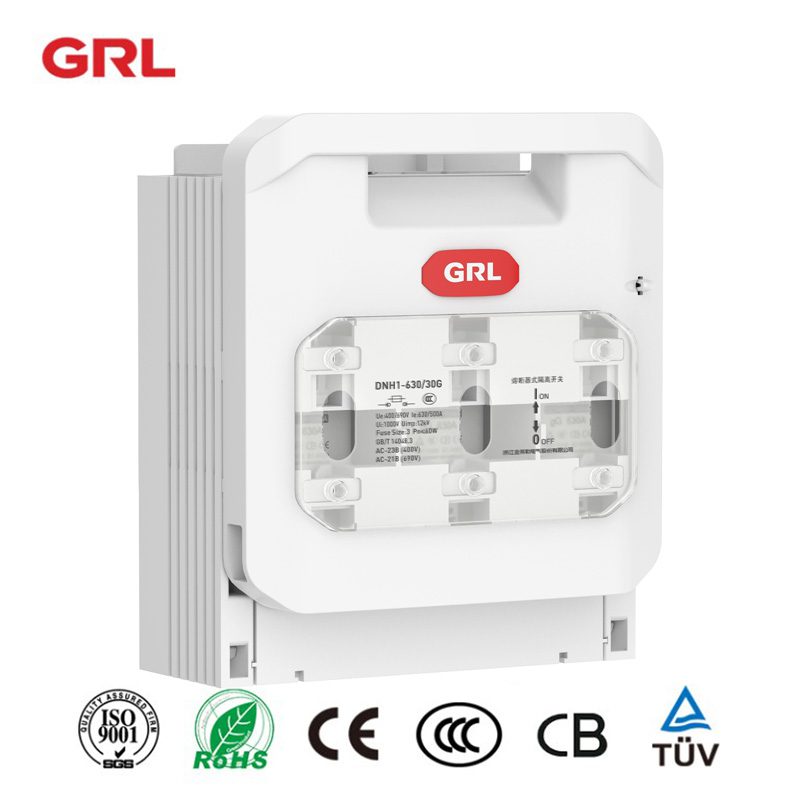
# Fuse Switch Disconnector: Essential Components for Electrical Safety
## Introduction to Fuse Switch Disconnectors
Fuse switch disconnectors play a crucial role in modern electrical systems, serving as vital components that combine the functions of a switch, a fuse, and a disconnector. These devices are designed to protect electrical circuits from overloads and short circuits while providing a means of isolation for maintenance purposes.
## How Fuse Switch Disconnectors Work
The operation of fuse switch disconnectors is based on a simple yet effective principle. When closed, they allow current to flow through the circuit. In case of an overload or short circuit, the fuse element melts, interrupting the current flow. The switch mechanism enables manual operation for normal switching and isolation purposes.
### Key Features:
– Combines switching and protection functions
– Provides visible isolation
– Offers reliable overcurrent protection
– Available in various current ratings
– Suitable for different voltage levels
## Applications in Electrical Systems
Fuse switch disconnectors find applications across numerous industries and settings:
### Industrial Applications
In manufacturing plants and industrial facilities, these devices protect motors, transformers, and distribution boards from electrical faults.
### Commercial Buildings
Office complexes and shopping centers utilize fuse switch disconnectors for safe power distribution and protection of lighting and HVAC systems.
### Residential Installations
While less common in homes, they may be used in main distribution panels for added protection.
## Advantages Over Conventional Solutions
Fuse switch disconnectors offer several benefits compared to using separate switching devices and fuses:
– Space-saving design
– Simplified installation
– Reduced maintenance requirements
– Clear visual indication of fuse status
– Cost-effective solution
## Selection Criteria for Fuse Switch Disconnectors
When choosing a fuse switch disconnector, consider these important factors:
### Electrical Parameters
– Rated voltage
– Rated current
– Breaking capacity
– Number of poles
### Environmental Conditions
– Ambient temperature
– Humidity levels
– Presence of dust or corrosive substances
### Mechanical Requirements
– Mounting type
– Enclosure protection rating
– Operating mechanism
Keyword: Fuse Switch Disconnector
## Maintenance and Safety Considerations
Proper maintenance ensures reliable operation and longevity of fuse switch disconnectors:
– Regular visual inspections
– Checking for signs of overheating
– Verifying proper contact pressure
– Replacement of worn components
– Following manufacturer’s guidelines
Safety precautions should always be observed when working with these devices, including proper lockout/tagout procedures and use of personal protective equipment.
## Future Trends in Fuse Switch Technology
The electrical industry continues to evolve, with fuse switch disconnectors benefiting from advancements such as:
– Improved materials for better performance
– Enhanced safety features
– Smart monitoring capabilities
– Compact designs for space-constrained applications
– Integration with digital control systems
## Conclusion
Fuse switch disconnectors remain essential components in electrical installations, offering reliable protection and switching functionality. Their versatility, combined with ongoing technological improvements, ensures they will continue to play a vital role in electrical safety for years to come. Proper selection, installation, and maintenance of these devices are crucial for ensuring the safety and reliability of electrical systems across all sectors.